


History Today: How Saddam Hussein was executed, ending an era in Iraq
Iraq's former dictator Saddam Hussein was executed on December 30, 2006. Following his capture by US forces in 2003, he was prosecuted by the Iraqi Special Tribunal for crimes against humanity for his role in the 1982 killing of Shiite men in Dujail. On this day in 1922, Union of Soviet Socialist Republics also known as the USSR was established with its capital in Moscow

One of the most infamous dictators and controversial figures in modern West Asian politics, Saddam Hussein was executed on December 30, 2006. Hussein ruled Iraq for nearly 25 years from 1979 till 2003 with an iron grip.
If you are a history geek who loves to learn about important events from the past, Firstpost Explainers’ ongoing series, History Today will be your one-stop destination to explore key events.
On this day in 1922, the Union of Soviet Socialist Republics, commonly known as USSR was established.
Here is all that took place on this day across the world.
Saddam Hussein executed
One of the most famous dictators of all time, Saddam Hussein, was executed on December 30, 2006. This marked an end to one of the most controversial figures in modern West Asian history. Hussein had ruled Iraq for nearly a quarter-century, from 1979 until his overthrow during the US-led invasion in 2003.
 More from Explainers
Following his capture by American forces in December 2003, Saddam was handed over to Iraqi authorities to stand trial. He was prosecuted by the Iraqi Special Tribunal for crimes against humanity, specifically for his role in the 1982 killing of 148 Shiite men and boys from the town of Dujail after a failed assassination attempt against him. The trial was closely watched around the world.
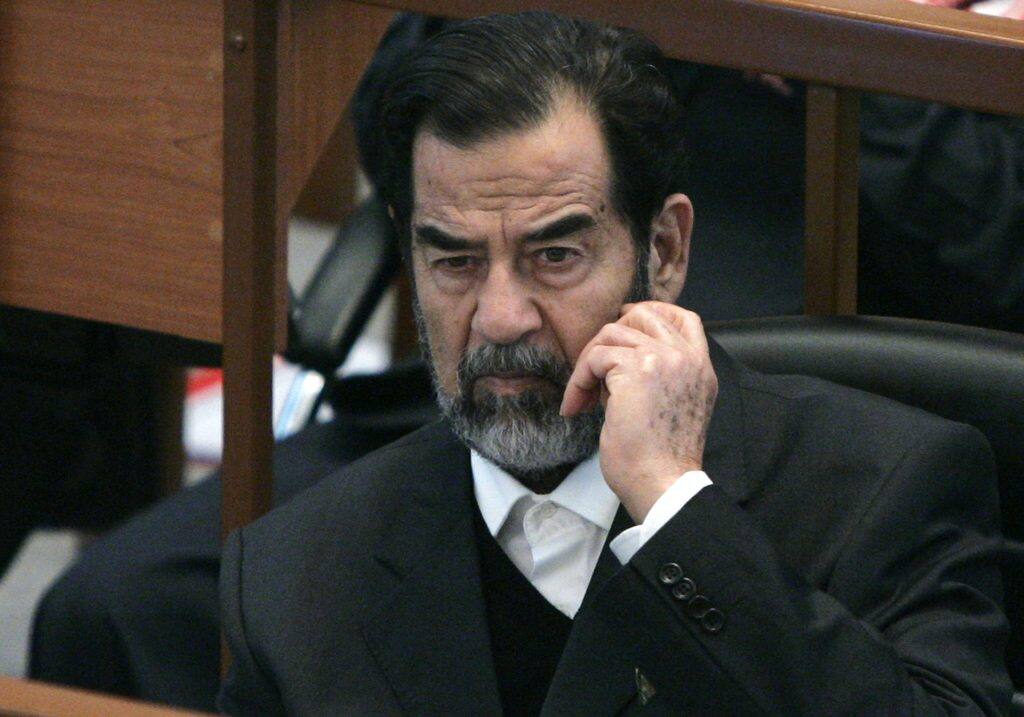
On November 5, 2006, Saddam was found guilty and sentenced to death by hanging. His appeals were quickly rejected and the execution was carried out in Baghdad before dawn on December 30, which coincided with the Islamic holiday of Eid al-Adha. The timing of the execution drew criticism from some quarters, who argued it could inflame sectarian tensions.
Footage of Saddam’s execution, which was secretly recorded on a mobile phone, was later leaked and widely circulated. The video showed him remaining defiant until the end, even while some witnesses taunted him. Iraqi officials defended the execution as a necessary act of justice.
Many Iraqis, particularly victims of his regime, welcomed the execution as long-overdue accountability for years of repression, torture, and mass killings. Others feared it would deepen divisions and fail to bring reconciliation or stability.
USSR was established
The Union of Soviet Socialist Republics, commonly known as the USSR, was formally established on this day in 1922. This is often considered a defining moment in 20th-century world history. The creation of the Soviet Union followed years of upheaval triggered by the Russian Revolution of 1917 and the brutal civil war that followed the collapse of the Russian Empire.
After Vladimir Lenin-led Bolsheviks seized power in October 1917, they faced fierce opposition from rival political forces, foreign interventions and internal resistance. By 1921, the Bolsheviks had emerged victorious, consolidating control over much of the former imperial territory. The question then arose of how to structure the new socialist state and manage its diverse nationalities.
On December 30, 1922, delegates from four socialist republics, namely the Russian Soviet Federative Socialist Republic, the Ukrainian Soviet Socialist Republic, the Byelorussian Soviet Socialist Republic and the Transcaucasian Socialist Federative Soviet Republic, met in Moscow. They approved the Treaty on the Creation of the USSR, formally uniting their territories under a single federal government.
The new union was based on communist ideology, with power centralised in the Communist Party. While the republics were granted nominal autonomy, real authority rested with the party leadership in Moscow. The formation of the USSR aimed to promote socialist unity, economic planning and collective security, while also preventing nationalist movements from breaking the state apart.
Over time, the Soviet Union expanded to include 15 republics and emerged as a global superpower. It played a decisive role in World War II, became a rival to the United States during the Cold War and influenced political movements around the world.
This Day, That Year
- The British government announced that electronic sensors would begin to replace canaries as early-warning detectors of carbon monoxide in coal mines on this day in 1986.
- The US acquired nearly 78,000 square km of northern Mexican territory with the signing of the Gadsden Purchase in 1853.
Tags

Military drones & police check-ups: How Sri Lanka is fighting against worst dengue outbreak in a decade
How Facebook job ad lured 2 Karnataka men into Myanmar cyber scam camp
Why is India seeing 95% cloud cover despite a Super El Niño?
What is CJP’s fourth demand to the government as protests in Delhi intensify?
The new geography of war: Why the Houthis can no longer be ignored