


Hantavirus is our Word of the Week: How worried should you be?
The sight of people in hazmat suits and phrases like ‘isolation’ and ‘contact tracing’ are back, all thanks to a hantavirus outbreak linked to the cruise ship, MV Hondius. But what is this infection, and why is it giving us Covid déjà vu?

It’s been six years since the Covid-19 pandemic brought the world to a standstill. Since then, many health experts have warned of another virus spreading.
And this week, those fears came alive when a cruise ship travelling from Argentina to Cape Verde became the central site of an outbreak of hantavirus. As of now, there have been three confirmed deaths and a few more cases across the world.
The outbreak of the disease has evoked memories of the Covid-19 pandemic; people in hazmat suits, isolation centres, and tracing contacts. It’s also led many to ask if this is indeed the next pandemic the world is about to face.
For all the panic and concern that hantavirus is causing across the globe, we have chosen it as our ‘Word of the Week.
 More from Explainers
Hantavirus and its origins
Hantavirus is mainly spread by contact with rodents or their urine, saliva, or droppings, particularly when the material is disturbed and becomes airborne, posing a risk of inhalation. People are typically exposed to this disease around their homes, cabins, or sheds, especially when cleaning enclosed spaces with little ventilation or exploring areas with mouse droppings.
It is believed that hantavirus cases have been around as long as rodents, but little was known about these pathogens before the 20th century. In fact, the first such record of this disease was during the 1951 Korean War. Soldiers in Korea who were part of an international command under the United Nations developed an illness that could lead to haemorrhagic fever with renal syndrome, a disease that affects the kidneys. By 1954, about 3,000 soldiers had been clinically diagnosed with this disease. Those soldiers had been stationed along the Hantan River, so the virus was called hantavirus. The outbreak led to the first deeply researched and detailed pathological investigations of the disease.
Since then, more research has been carried out. Today, health experts have identified 40 types of hantavirus strains, differentiated into Old World and New World. Old World hantaviruses are endemic in Europe and Asia and primarily cause bleeding disorders and kidney dysfunction. New World viruses are more prevalent in the Americas and more commonly cause pulmonary oedema, a condition in which fluid accumulates in the lungs.
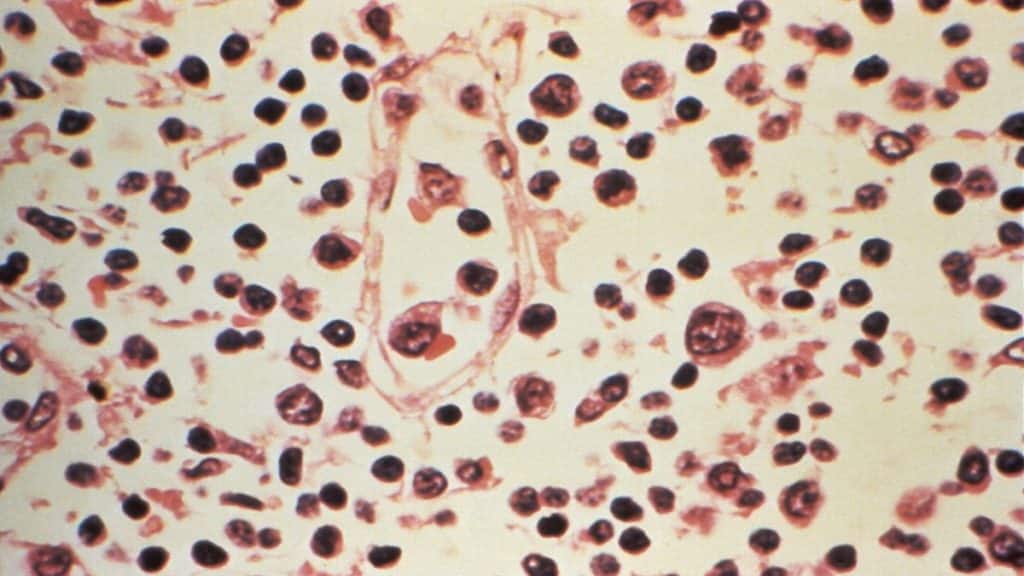
Spread, symptoms, & treatment of hantavirus
The hantavirus begins with flu-like symptoms: a fever, chills, muscle aches, and maybe a headache. However, it can rapidly progress and become life-threatening.
It can quickly develop into hantavirus pulmonary syndrome, in which patients might experience tightness in the chest, as the lungs fill with fluid. The other syndrome caused by hantavirus — known as haemorrhagic fever with renal syndrome, which can cause bleeding, high fever, and kidney failure — usually develops within a week or two after exposure.
Death rates vary depending on which hantavirus causes the illness. Hantavirus pulmonary syndrome is fatal in about 35 per cent of people infected, while the death rate for haemorrhagic fever with renal syndrome varies from one per cent to 15 per cent of patients, according to the CDC.
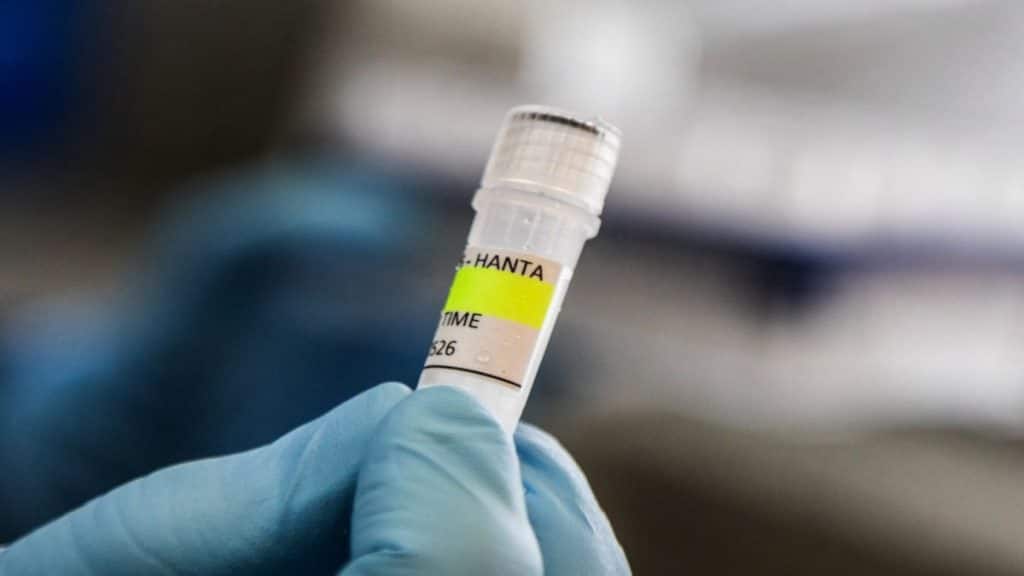
Experts note that hantavirus doesn’t jump from human to human. However, the Andes virus is hantavirus’ one important exception. This strain is responsible for most of the cases recorded in Argentina, Chile, and Uruguay. And it’s the same one that has broken out on board the MV Hondius.
As Sabra Klein, a professor of molecular microbiology and immunology at the Johns Hopkins Bloomberg School of Public Health, was quoted as telling the New York Times, “The Andes strain is the only hantavirus in the Americas known to be transmitted between people, and not just from rodents to humans.”
“It is very, very, very, very rare,” she said of this kind of spread.
Currently, hantavirus has no specific treatment or cure. Doctors often prescribe supportive care for severe cases, which often includes oxygen therapy and blood pressure medications to stabilise the cardiac and respiratory systems.
Current outbreak of hantavirus on board MV Hondius
But why are we talking about hantavirus suddenly? Why has it popped up on our reels and social media feed? It’s because an outbreak of the virus has been reported from the cruise liner, MV Hondius, which sails from Argentina toward Antarctica and then across the Atlantic Ocean.
It can all be traced back to April 1, when the MV Hondius cruise ship departed from Ushuaia in southern Argentina. None of the 150 passengers was reporting any signs or symptoms of the infection.
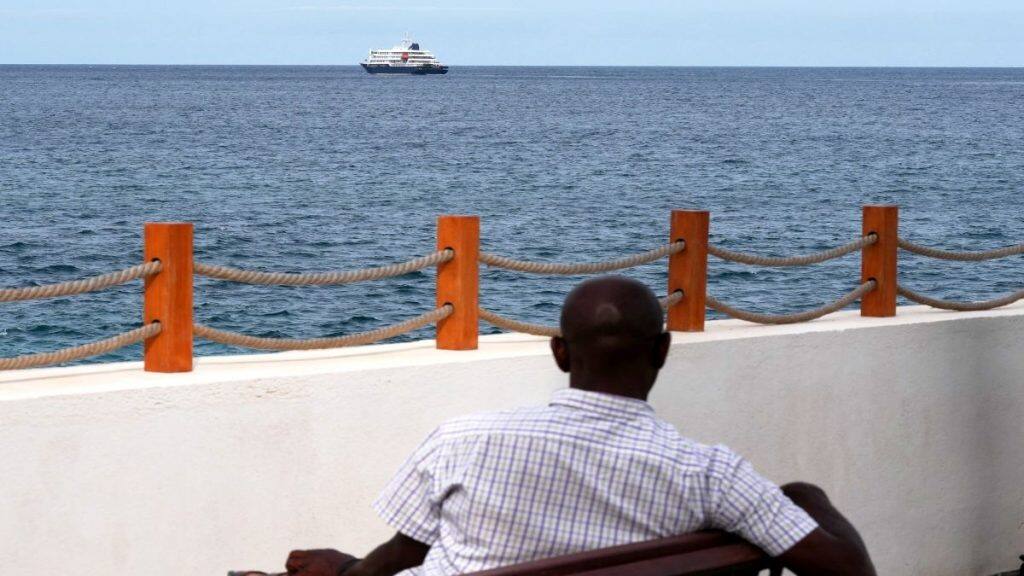
Then, on April 6, a 70-year-old Dutch man fell ill with fever, headache, and diarrhoea. He died on board on April 11, after developing respiratory distress. The ship sailed on for nearly two weeks, stopping near the island of Tristan da Cunha before reaching St. Helena, where the Dutchman’s body was removed on April 24. His 69-year-old wife disembarked. The woman, who already had symptoms, became sicker during an April 25 flight to South Africa and collapsed at an airport there. She died at a hospital on April 26.
It was later confirmed that the two had contracted hantavirus, with two Argentinian officials noting that they may have gotten the infection during a bird-watching outing in the city of Ushuaia before boarding the cruise.
Since then, more cases have emerged — the World Health Organisation (WHO) has confirmed five cases of hantavirus linked to the cruise ship in the Atlantic Ocean and also a scramble to contain the virus from spreading.
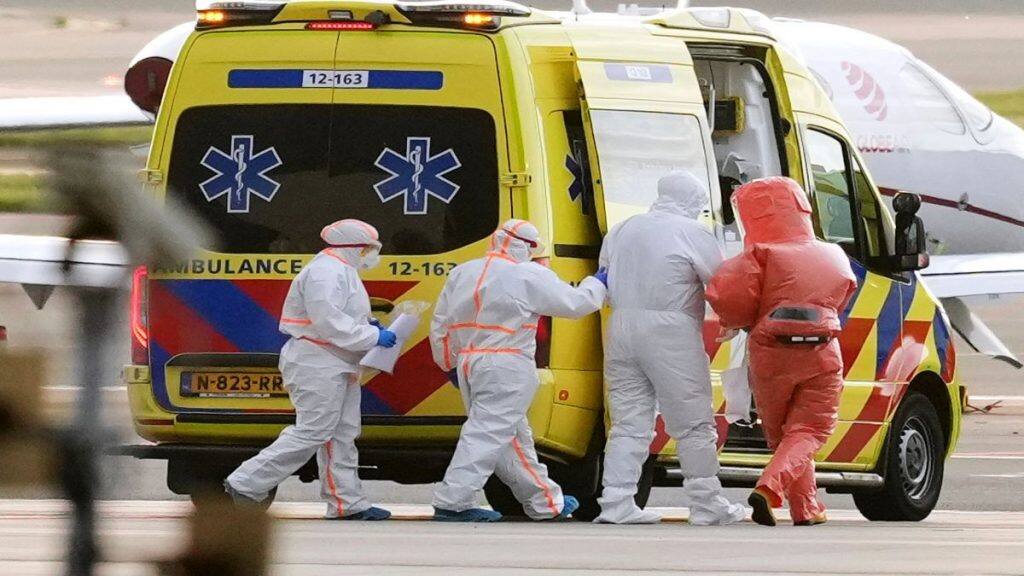
But despite the panic it has triggered, the WHO maintains that the risk to the public is minimal. In fact, WHO's emergency alert and response director Abdi Rahman said he believed it would be “a limited outbreak” if “public health measures are implemented and solidarity shown across all countries”.
We will have to wait and see how this entire situation unfolds — but it’s bringing back troubling memories that we would like to keep in the past.
Tags

Military drones & police check-ups: How Sri Lanka is fighting against worst dengue outbreak in a decade
How Facebook job ad lured 2 Karnataka men into Myanmar cyber scam camp
Why is India seeing 95% cloud cover despite a Super El Niño?
What is CJP’s fourth demand to the government as protests in Delhi intensify?
The new geography of war: Why the Houthis can no longer be ignored