


What’s fuelling Gen Z’s anger against millennial leader Balen Shah in Nepal?
Just months after he was sworn in as prime minister, Balendra “Balen” Shah is on the receiving end of Gen Z’s anger. The youth of Nepal are out on the streets in Kathmandu once again, angry over the recent eviction drives and the self-immolation of a driver over a parking row

Last September, Gen-Z protests triggered political change in Nepal — it led to the resignation of Prime Minister KP Sharma Oli. Then, riding high on the support of the youth in Nepal, Balendra “Balen” Shah came to power on March 27 after his Rastriya Swatantra Party (RSP) won a near two-thirds majority in the House of Representatives.
But now, Balen is facing intense public anger, with hundreds of people taking to the streets on Sunday (July 12) to protest against the Nepal PM and his policies. Hundreds of people took to the streets outside the Singhdurbar Secretariat, a government office in the capital.
The sea of people carried placards with slogans like ‘end atrocity against the poor, respect human rights, stop illegal arrest, and provide shelter to squatters.’
 More from Explainers
But what’s behind this anger against the Nepal PM and his government? Here’s what we found out.
Protests over eviction of squatters
The primary reason for the protests in Kathmandu is Balen Shah’s decision to remove the riverside squatter settlements. This has long been an objective of Balen — even when he was mayor of Kathmandu.
Nepali laws define a landless squatter as an individual who does not own land anywhere in the country, either personally or through family, and who cannot acquire land. According to a 2022 report, the three districts of Kathmandu valley have around 3,466 households of informal settlers living along riverbanks.
Balen has been on a relentless drive to oust these squatters from Kathmandu. He has deployed a large number of police and army around the riverside settlements. As a result, many of the squatters living there are leaving voluntarily. However, this has led to many being rendered homeless, including the elderly and children. Many of the squatters have lost not just a place to live but also their means of livelihood.
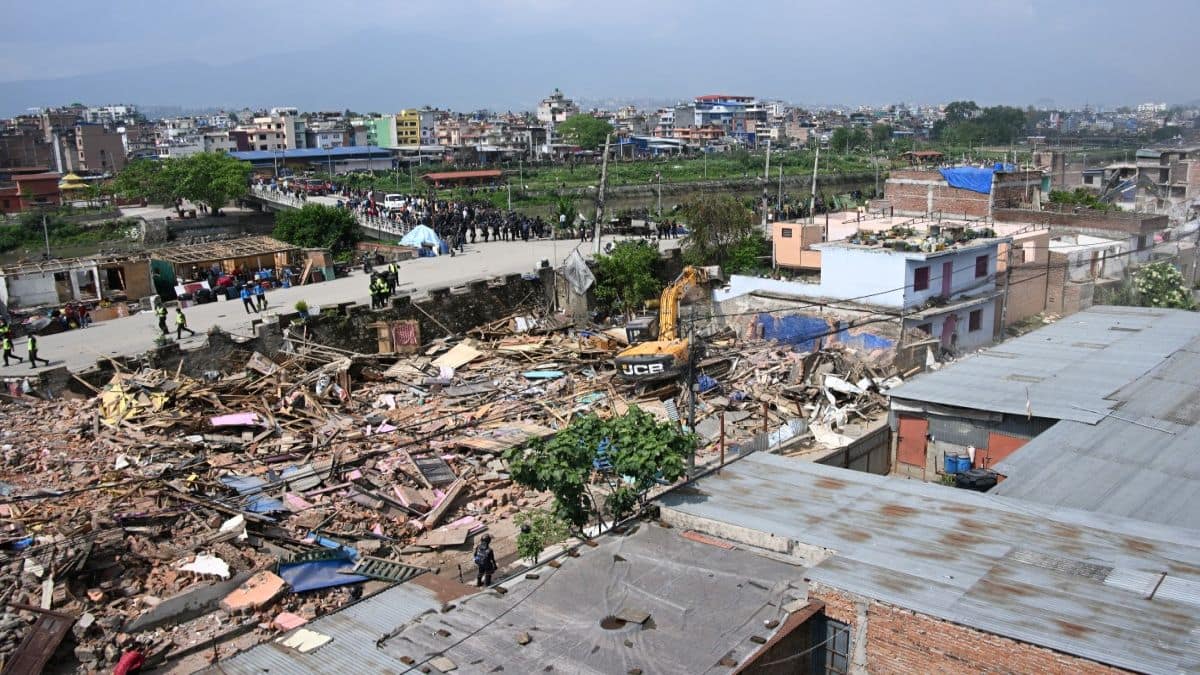
But these individuals haven’t been provided with resettlement options, which is mandated by Nepali law. In fact, of the 2,600 families whose housing was destroyed as part of the eviction drive, only 325 have been given residence in temporary holding centres in different parts of Kathmandu. Moreover, the Balen government on July 2 ordered the squatters to leave the holding centres by July 6. At least 60 families refused to leave, saying they have nowhere else to go.
“We are alarmed by the government’s unconstitutional violations and restriction of civil liberties,” a statement signed by 28 prominent members of civil society read. “We urge it to cease such actions [forced eviction and bringing of ordinances] and adhere to democratic practice and the constitution in letter and spirit.”
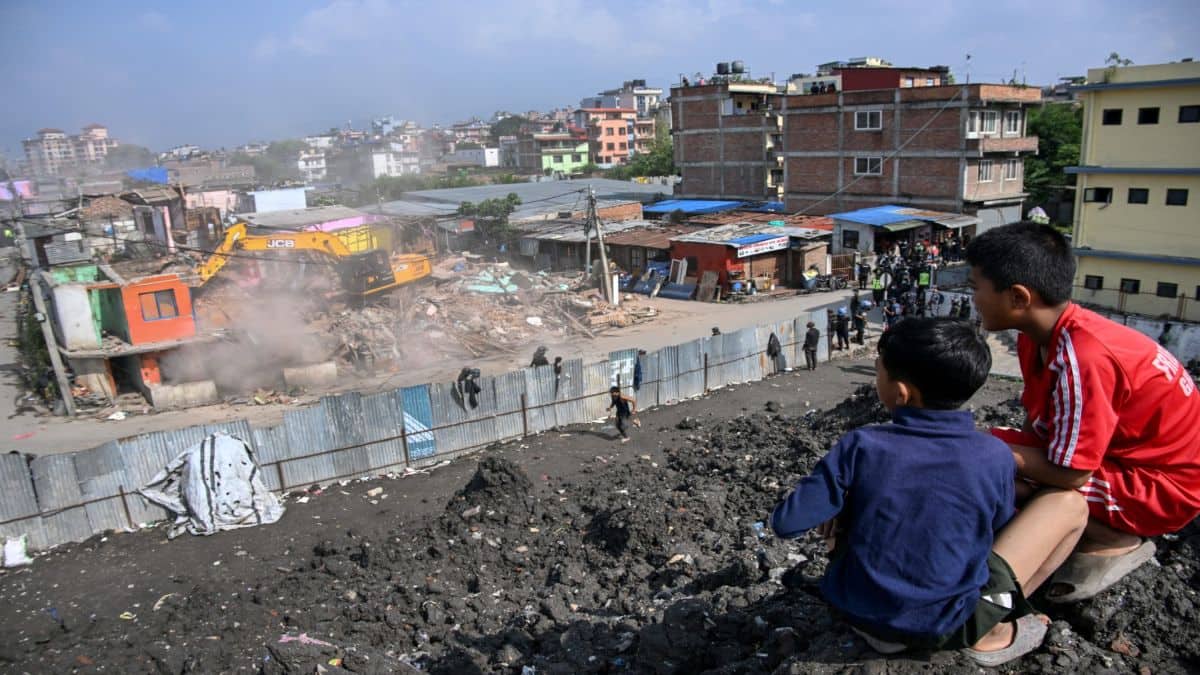
This came to a head on Sunday (July 12) when hundreds of landless squatters and activists gathered at Maitighar in Kathmandu on Sunday, demanding proper settlement and rehabilitation for families displaced during recent eviction drives.
Organised under the United National Squatters’ Front, the demonstrators accused the government of demolishing homes without providing adequate alternatives.
They also demanded the release of activists detained during previous protests. Earlier, the Nepali police detained three youth activists, including Majid Ansari and Sarishma Thapa, at a holding centre in Kirtipur following a dispute over the management of displaced families. The authorities claimed that the activists obstructed officers during a rescue operation after heavy rain flooded the temporary shelter.
Ride-hailing driver’s self-immolation sparks anger
Apart from the eviction of squatters, the Nepal government is also facing anger from the youth over the death of an app-based driver who set himself on fire after a confrontation with municipal police over a parking dispute.
Family, friends, and supporters of the driver, identified as Ganesh Nepali, gathered outside Kathmandu’s Bir Hospital on Saturday (July 11), demanding justice after the 25-year-old died from burns sustained when he attempted self-immolation outside the Department of Passports in Tripureshwar following an altercation with Kathmandu Metropolitan City municipal police.
The entire incident occurred last Thursday when Nepali, who worked as a driver for the ride-hailing platform Pathao, parked his motorcycle outside the Department of Passports while waiting for his next booking.
The police and CCTV footage show the municipal police ordering Nepali to move the bike. Later, the authorities immobilised it with a wheel lock after an argument over an alleged parking violation. Police say Nepali argued with the officers for nearly two hours over the 1,000 Nepali rupee parking fine before siphoning petrol from his motorcycle, dousing himself, and setting himself on fire.
What fuelled the anger of the youth further was that videos from the scene showed a severely injured Nepali being assisted into a vehicle rather than being carried on a stretcher.
The anger after Nepali’s death resulted in the Kathmandu Metropolitan City and Nepali’s family reaching a nine-point agreement on Sunday. As per their agreement, an independent probe committee will be set up while the personnel involved in the incident will be suspended during the probe.
Other immolations further fuel concern
The anger over Nepali’s death also coincides with two other recent self-immolation cases. Authorities have stressed, however, that they are not related to state misconduct.
On Saturday, Bir Hospital confirmed the death of 45-year-old Ashwin Raut, who had attempted self-immolation at his home in Kathmandu following a domestic dispute. A day earlier, 35-year-old Bibek Mandal sustained critical burn injuries after setting himself on fire in Sarlahi district and was airlifted to a specialist burns hospital in Kathmandu, where he remains under treatment.
Many in the opposition has accused the government of failing to protect ordinary citizens and demanded accountability. They have also pointed to Balen’s response to the 2023 self-immolation of Prem Prasad Acharya outside Nepal’s parliament by writing that such incidents reflected “the state’s total failure.”
Opposition lawmakers have used these remarks made by Balen to attack him, arguing that the government had failed to live up to that standard.
Balen Shah faces reversal in fortunes
Following the 2025 Gen-Z protests, Balen Shah emerged as a symbol of change. First-time voters and the young voted for Balen, as he vowed to be a break from decades of conventional politics in the country.
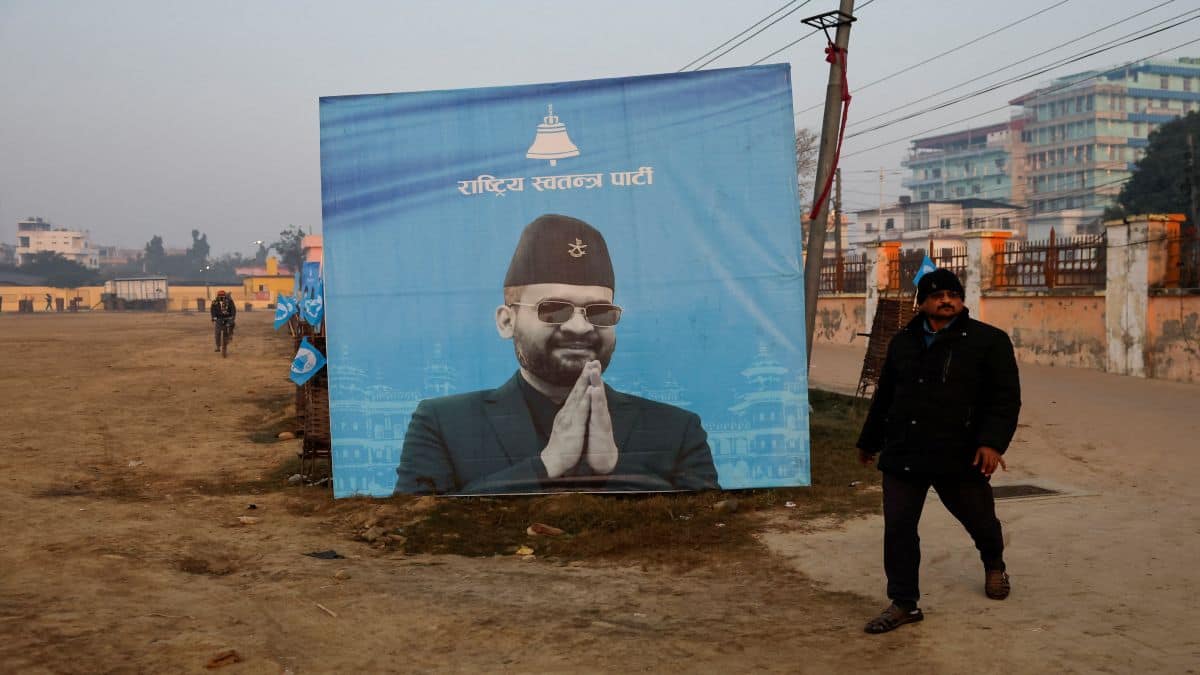
And when he won the polls, Balen’s administration set out a 100-point agenda, promising sweeping reforms to governance, the economy, and public institutions to be completed within its first 100 days.
But 100 days have passed, and the youth see little change. Moreover, there have been allegations of brushing aside due process. Over the past three months or so, there have been many instances of the government bulldozing due process, be it during the hasty arrest of opposition politicians in corruption-linked cases or the rushed eviction of squatters from riverside settlements in Kathmandu.
Additionally, Balen has remained distant from the people who elected him. Since winning the election, he has not returned to his own constituency. More importantly, he has continued to ignore Parliament. Not only has the Nepal prime minister largely avoided public engagement, but his office has reportedly discouraged Cabinet ministers from attending public events.
It seems that Gen Z, who saw Balen as a symbol of hope, are becoming increasingly frustrated with his administration.
With inputs from agencies
Tags

Military drones & police check-ups: How Sri Lanka is fighting against worst dengue outbreak in a decade
How Facebook job ad lured 2 Karnataka men into Myanmar cyber scam camp
Why is India seeing 95% cloud cover despite a Super El Niño?
What is CJP’s fourth demand to the government as protests in Delhi intensify?
The new geography of war: Why the Houthis can no longer be ignored