


From COVID-19 to bird flu: Why are animal-to-human diseases becoming more common?
Having appeared thousands of years ago, zoonoses have multiplied over the past 20 or 30 years. The growth of international travel has allowed them to spread more quickly. By occupying increasingly large areas of the planet, humans also contribute to disrupting the ecosystem

Some diseases end up becoming specifically human, like COVID-19.According to the World Organisation for Animal Health, 60 per cent of human infectious diseases are zoonotic.What types of diseases are involved?The term "zoonoses" includes a wide variety of diseases.Some affect the digestive system, such as salmonellosis, others the respiratory system, such as avian and swine flu as well as COVID, or the nervous system in the case of rabies.Also Read: India sees a surge in COVID-19 cases: Does the country need a fourth jab?The severity of these diseases in humans varies greatly depending on the disease and the pathogen's virulence, but also on the infected person, who may have a particular sensitivity to the pathogen.What animals are involved?Bats act as a reservoir for many viruses that affect humans.Some have been known for a long time, such as the rabies virus, but many have emerged in recent decades, such as Ebola, the SARS coronavirus, Sars-CoV-2 (which causes COVID-19) or the Nipah virus, which appeared in Asia in 1998.[caption id="attachment_12420542" align="alignnone" width="640"]
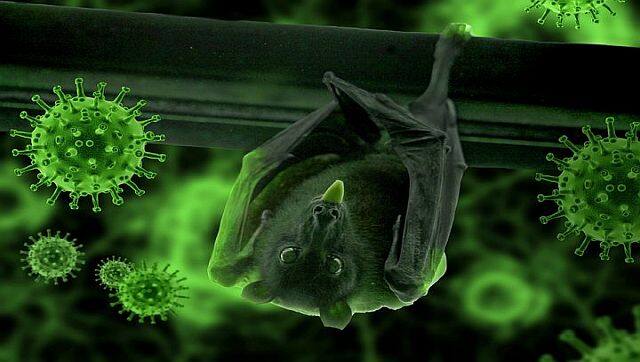
Bats act as a reservoir for many viruses that affect humans. Pixabay[/caption]Badgers, ferrets, mink and weasels are often implicated in viral zoonoses, and in particular those caused by coronaviruses.Other mammals, such as cattle, pigs, dogs, foxes, camels and rodents, also often play the role of intermediate host.All the viruses responsible for major influenza pandemics had an avian origin, either direct or indirect.Finally, insects such as ticks are vectors of many viral diseases that affect humans.Why has the frequency of zoonoses increased?Having appeared thousands of years ago, zoonoses have multiplied over the past 20 or 30 years.
The growth of international travel has allowed them to spread more quickly.By occupying increasingly large areas of the planet, humans also contribute to disrupting the ecosystem and promoting the transmission of viruses.Industrial farming increases the risk of pathogens spreading between animals.Trade in wild animals also increases human exposure to the microbes they may carry.Deforestation increases the risk of contact between wildlife, domestic animals and human populations.Should we fear another pandemic?Climate change will push many animals to flee their ecosystems for more liveable lands, a study published by the scientific journal Nature warned in 2022.By mixing more, species will transmit their viruses more, which will promote the emergence of new diseases potentially transmissible to humans.Also read: Deadlier than Covid19: Africa sees new virus that kills within 24 hours, claims three in Burundi"Without preventative strategies, pandemics will emerge more often, spread more rapidly, kill more people, and affect the global economy with more devastating impact than ever before," the UN Biodiversity Expert Group warned in October 2020.According to estimates published in the journal Science in 2018, there are 1.7 million unknown viruses in mammals and birds, 540,000 to 850,000 of them with the capacity to infect humans.But above all, the expansion of human activities and increased interactions with wildlife increase the risk that viruses capable of infecting humans will "find" their host.Read all the Latest News, Trending News, Cricket News, Bollywood News,India News and Entertainment News here. Follow us on Facebook, Twitter and Instagram.

Military drones & police check-ups: How Sri Lanka is fighting against worst dengue outbreak in a decade
How Facebook job ad lured 2 Karnataka men into Myanmar cyber scam camp
Why is India seeing 95% cloud cover despite a Super El Niño?
What is CJP’s fourth demand to the government as protests in Delhi intensify?
The new geography of war: Why the Houthis can no longer be ignored