


‘Kick Argentina out of World Cup’: Why fans are calling for FIFA to oust Lionel Messi’s team
A petition has earned more than 10 million signatures from football fans, demanding that FIFA oust Argentina from the World Cup. The plea states that the football body has shown favouritism towards Lionel Messi and his team. But what are these claims of bias?

Argentina is all set to take on England on Thursday (July 16) in the semi-finals of the FIFA World Cup. With this match, the two sides will be renewing one of football’s fiercest rivalries.
But this highly anticipated match is already facing trouble even before the players can step out on the field, with fans circulating a petition, demanding the ouster of Lionel Messi’s team, citing favouritism from FIFA.
“It is obvious that FIFA and the referees are biased toward Lionel Messi and Argentina,” the petition read. “Why should the rest of the world compete when the winner has already been decided? Kick Argentina out of the World Cup and give everyone else a fair chance.”
The petition comes after a growing perception that Argentina continues to benefit from controversial decisions at the sport’s biggest tournament. Whether those beliefs are fair or not, the conversation has become impossible to ignore.
 More from Explainers
But what are these so-called instances of FIFA favouring Argentina? Let’s examine them.
Appointment of Messi’s ‘lucky charm’
The most recent example of FIFA favouring Argentina is the appointment of Moroccan-American Ismail Elfath as the referee for the semi-final match against England.
Many view this news as good for Messi, as Elfath has been a part of the Argentine’s big moments on the field in recent times. For instance, Elfath was the fourth official when Messi scored twice on the way to a penalty shootout victory over France in the 2022 World Cup final.
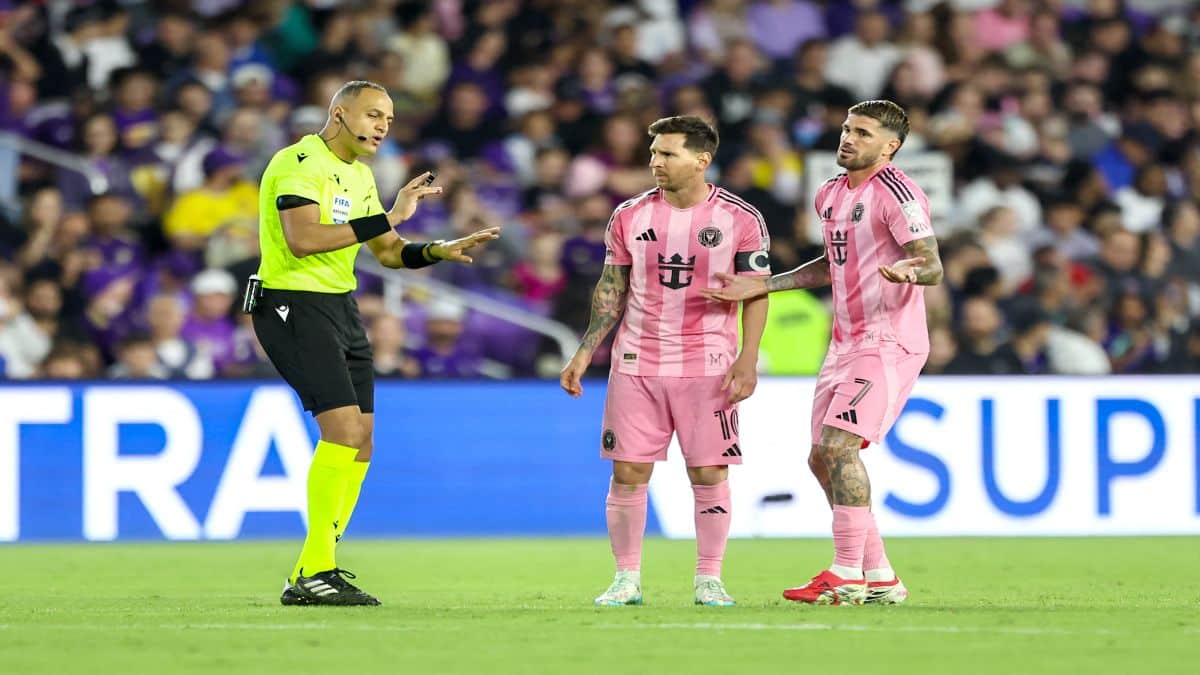
He was also the referee when Inter Miami won the 2023 Leagues Cup, Messi scoring his team’s only goal in another penalty shootout win, this time over Nashville SC.
Will Elfath’s presence on the field during the semi-final prove to be a good luck charm for Messi? Only time will tell, but it only amplifies theories that the playing field has been tilted in Argentina’s favour.
The contentious red card against Switzerland
The quarter-final match between Argentina and Switzerland was evenly poised, with both scoring a goal each. Then, in the 69th minute, Switzerland’s Breel Embolo was sent off after being found guilty of simulation.
The referee, Joao Pinheiro of Portugal, had initially booked Leandro Paredes for a foul on Embolo on the right wing. However, upon advice from the Video Assistant Referee (VAR), he moved to the on-field monitor to have another look at the incident. The replays showed Embolo diving before any contact with Paredes.
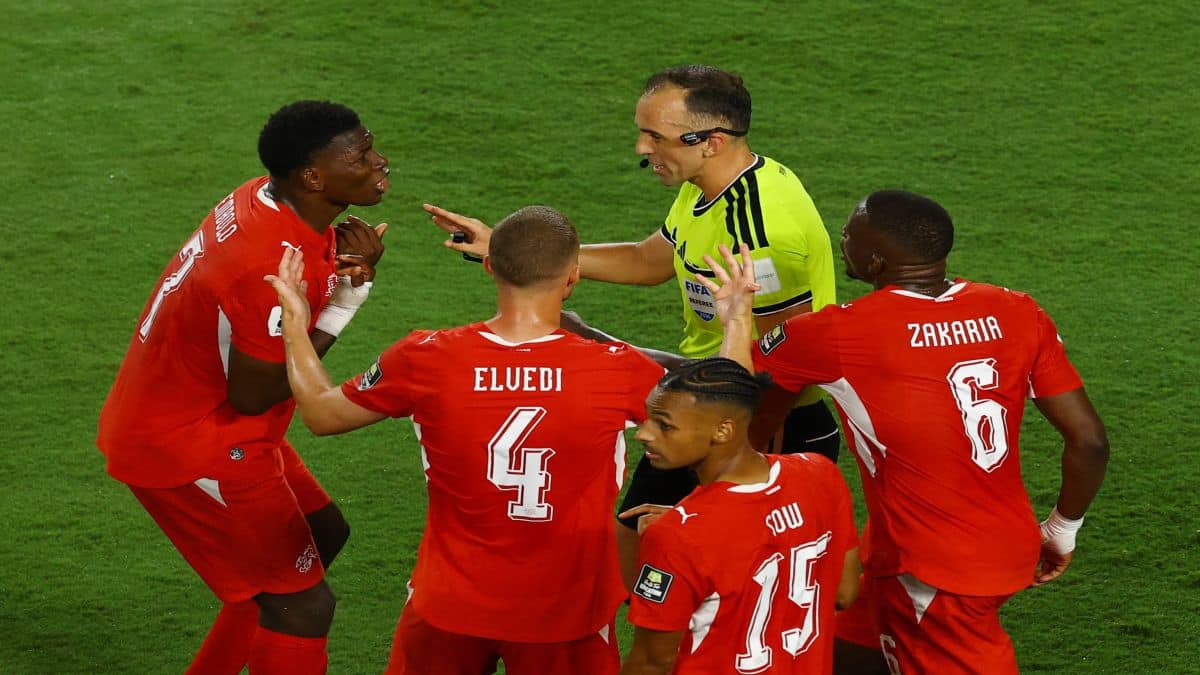
As a result, Pinheiro revoked the yellow card given to Paredes and booked Embolo instead. This brought a halt to Switzerland’s momentum and resulted in Argentina securing victory in extra-time.
“We were punished because of a rule that, in my opinion, is completely unacceptable,” Swiss coach Murat Yakin said afterwards.
Egypt’s bias allegation
The idea that FIFA is biased towards Messi reached a fevered pitch after Argentina’s match against Egypt in the round of 16.
The defending champions pulled off a dramatic comeback against Egypt to advance to the quarter-finals. The Argentines scored three goals in the final 13 minutes after trailing 2-0 and seeing Messi miss a first-half penalty.
While Argentina celebrated, Egypt condemned the result as grossly unfair.
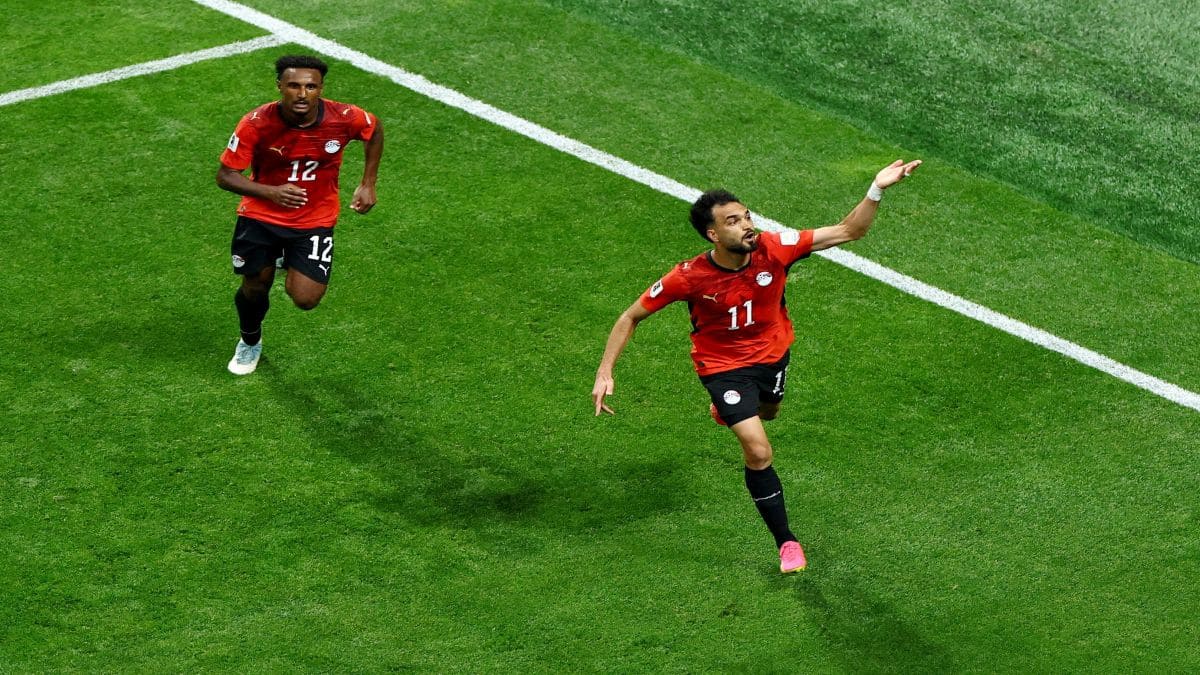
The North Africans claimed that a goal scored by Mostafa Zico in the 58th minute was disallowed after a VAR review for an earlier foul. Additionally, Argentina’s late winner was allowed to stand despite an alleged foul on Mohamed Salah. Egypt argued that there should have been a VAR review to look at disallowing the goal and awarding Egypt a penalty instead.
Egypt’s manager Hossam Hassan furiously said afterwards: “I’ll say what I think, regardless of the consequences. This has clearly been rigged, and everyone has seen it. If they want them to win so badly, why are they inviting everyone to participate in the World Cup?”
Hassan claimed that FIFA simply wanted to keep Messi in the tournament. “Fifa promotes ‘Fair Play’, but we didn’t see it on the pitch… without those mistakes, the result would’ve been different,” he added.
Were the decisions controversial? Yes. But does it prove conspiracy in favour of Messi? Unlikely.
All-Argentine officials for France game
The accusations of FIFA favouring Argentina don’t stem only from decisions in matches played by Messi’s side.
When the football body announced that the entire team of officials for France’s quarterfinal against Morocco would be Argentinian, it raised many eyebrows. Many argued that France was the biggest threat to Messi and Co.
It’s a different argument that the Les Bleus won that match 2-0 and progressed to the semis, where they were knocked out by Spain.
Messi escapes a red card
Argentina’s very first match at the FIFA World Cup 2026 was against Algeria. The headlines from this encounter were Messi’s hat-trick, which saw him equal the record for the most World Cup goals.
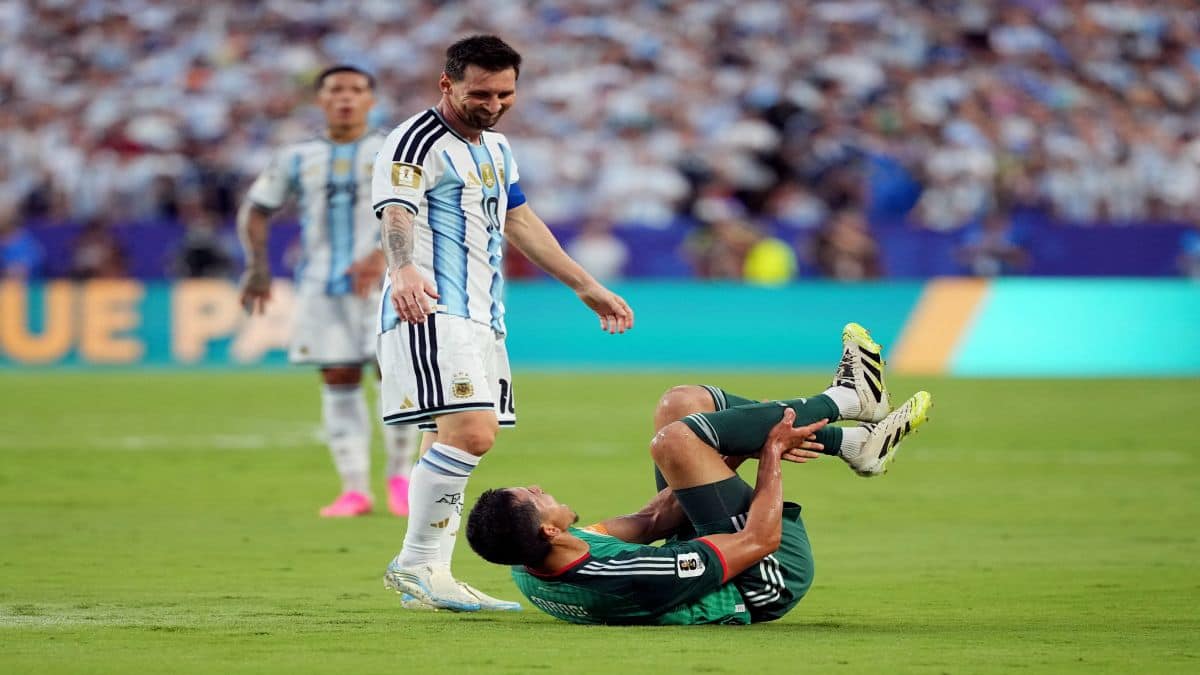
However, some argued that he should not have been on the pitch to complete his impressive treble after he appeared to rake his studs down the back of Aissa Mandi’s right leg in the 32nd minute. The Polish referee, who may not have seen the incident, did not award a foul with the video assistant referee deeming the clash unworthy of a sending-off.
Second-fewest yellow cards for Argentina
Argentina has also gone through almost the entire tournament with very few yellow cards, raising questions about referees' favouring the Messi side. Of the eight quarter-finalists, Argentina has received the second fewest bookings overall (three), despite making the fourth most fouls.
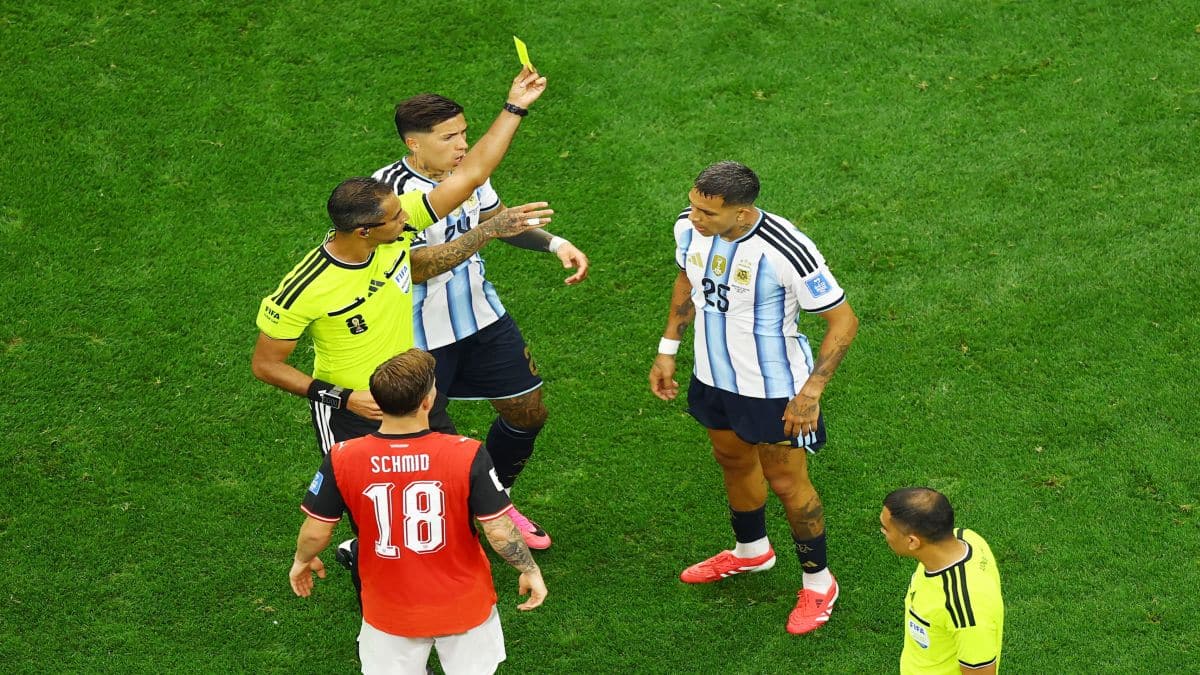
Analysts note that Argentina has received a caution every 19.7 fouls. Compare this to England, who they are facing off against in the semis. The English side has received a yellow card every 7.7 fouls.
Argentina has committed more fouls than England, yet has received half as many cautions.
Many fans believe that this is a clear indicator that Argentina has been treated more favourably compared to other teams.
A kind draw
But accusations of FIFA being biased to Argentina began even before the first match of the tournament — in fact, it began at the draw ceremony last December.
FIFA announced that it was making a small tweak to the rules that ensured that the top four nations in the world ranking — France, Argentina, Spain, and England — were drawn into separate quarters.
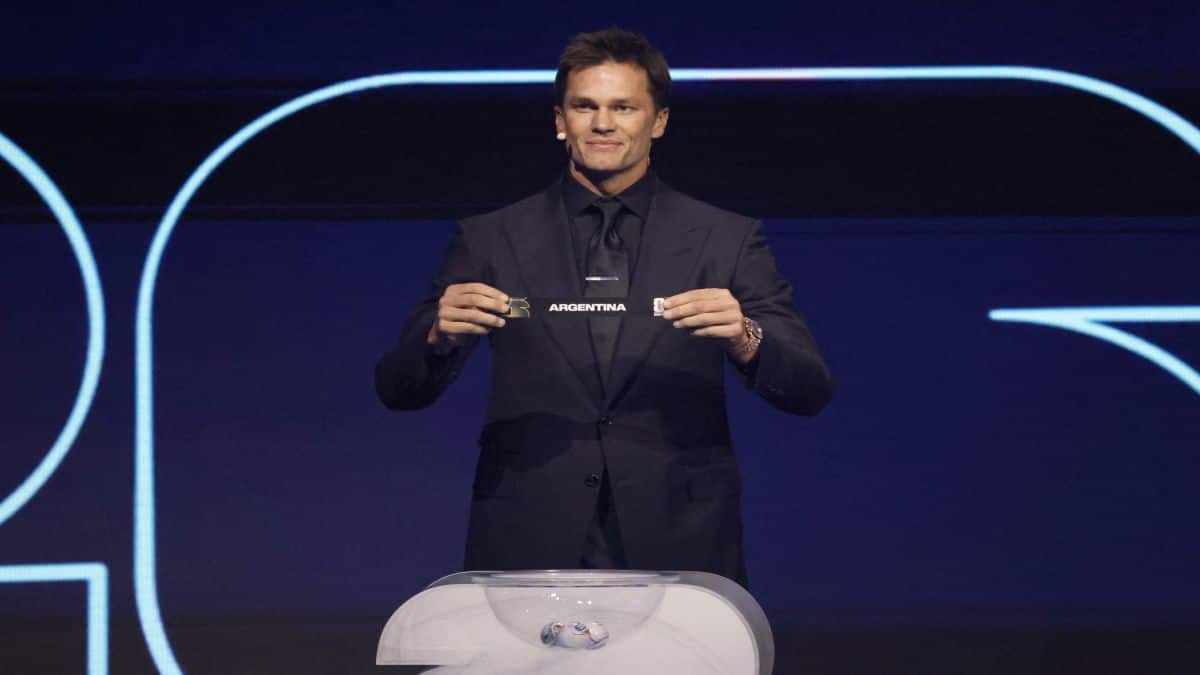
As a result, Argentina had a favourable run to the semis: they squared off against Cape Verde (67th in the world), Egypt (29th), and Switzerland, ranked 19th.
Meanwhile, Spain had to beat Portugal (fifth), Belgium (ninth), and France (one) to reach the finals. England has also faced a tougher test, defeating Mexico, ranked 14th in the world, and Norway in the quarters.
It’s uncertain what will happen in Argentina’s match against England. But what is certain is that the perception of bias has become one of the defining storylines of the 2026 World Cup.
With inputs from agencies
Roshneesh is on the Explainers team and loves her job. Apart from the everyday 'explaining', she enjoys tennis and is a Rafa fan for life. She is also a Potterhead.

Military drones & police check-ups: How Sri Lanka is fighting against worst dengue outbreak in a decade
How Facebook job ad lured 2 Karnataka men into Myanmar cyber scam camp
Why is India seeing 95% cloud cover despite a Super El Niño?
What is CJP’s fourth demand to the government as protests in Delhi intensify?
The new geography of war: Why the Houthis can no longer be ignored