
Advertisement


Sections
Fact Check: Did ‘Canadian actor Saint Von Colucci’ who ‘died’ after 12 plastic surgeries even exist?
The story of the death of Canadian actor Saint Von Colucci, who had 12 plastic surgeries to look like BTS star Jimin, went legit viral. Turns out it is fake news, a hoax. The supposed actor appears to be AI-generated

Be warned, dear readers. Do not always believe what you read in the news these days. A few days ago, a story that went viral and was picked up by media channels from across the world was that of Canadian actor Saint Von Colucci, who died after complications following several plastic surgeries. Now the United Kingdom tabloid Daily Mail which was the first to publish the report has taken it down. But why? Has the actor sued them? Is he alive? Or does he even exist?We take a look at the mysterious case of “Saint Von Colucci”.According to a report published by Daily Mail on Monday, Colucci died in a South Korean hospital after “spending $220,000 on TWELVE plastic surgeries” to play Jimin, the star of the popular K-pop band BTS and to overcome discrimination “against his Western traits”. He reportedly had bagged a role in an upcoming Korean soap.But turns out Colucci might not be real.A big hoaxNow evidence suggests that the story is a result of an elaborate hoax using artificial intelligence (AI), reports Al Jazeera. The “news” appeared so real that it was picked by publications, big and small, across the world – the United States, Canada, the United Kingdom, South Korea, India (we stand guilty), the Philippines and Malaysia.The inconsistencies in the report were first pointed out by Raphael Rashid, a freelance journalist in Seoul on 25 April.Rashid wrote on Twitter, “I might go to hell if this is true, but take the news of the Canadian singer “Saint Von Colucci” dying after surgery in Korea to look like Jimin with a pinch of salt. There’s no proof any of this is even true. For starters, the pic Daily Mail included might be AI-generated.”[caption id="attachment_12521772" align="alignnone" width="640"]![]() A fact check of the story throws up numerous red flags. Image courtesy: papaxxzy/Instagram[/caption]The red flags the media missedIn a series of tweets, the scribe pointed out that HYPER PR, the agency that claimed to be representing “Saint Von Colucci” was created a month ago and its website carried no information. It listed the standard addresses of WeWork offices in London and Toronto.Rashid, who seems to be the only journalist who cared to fact-check the news, said that the phone number on the website did not pick up and when he let it ring for a while he got a text message, “WTF do you want.”Strangely, “Colucci” has no online presence, save for an Instagram account with suspicious activity. It was reportedly reactivated this week with a comment edited two days ago after the “news” of his death spread.“There have been about 2-3 mentions of the name in the past, but every time, it’s extremely vague, and pics are extremely blurry. No way of confirming identity,” Rashid said in the Twitter thread.When the journalist attempted to check if the pictures were fake one came as AI-generated.Also read: Donald Trump 'arrested'? Vladimir Putin 'in jail'? How deepfakes are spreading misinformation onlineA close look at an Instagram page, which reportedly belongs to “Colucci” and now has 100k “followers”, is a giveaway. Several pictures are blurry and include strange features. In one, the hands appear deformed, which is a clear sign of the use of AI. Though many images claim to be posted in November last year, there is zero interaction with the followers – there is not a single comment on them.Rashid pointed out that the press release by the supposed actor’s supposed PR firm claimed that he died at “Seoul’s National Hospital”, a place that does not exist. “Benefit of doubt, it could be Seoul National University Hospital. I called, they said ‘We don’t have any way to confirm patient information’ and could not assist,” he tweeted.According to a report in Al Jazeera, Colucci was described as “the second son of Geovani Lamas, the CEO of IBG Capital, Europe’s top hedge fund company” in a press release circulated last year.Geovani Lamas has no online presence and a search of IBG Capital shows up results of an investment firm located in Arizona, United States, the report says.Rashid concluded that it was an elaborate hoax; the news was fake. By 26 April, Daily Mail pulled the article down.“All the red flags were there. All the inconsistencies. Yet many large media orgs believed the story and wrote about it without any fact-checking. Zero,” Rashid tweeted.The first case of AI tricking worldwide mediaWhile the story has left the media the world over red-faced, it is the first case of the use of AI to trick publications on such a large scale and spread misinformation.“Mis- and disinformation generated with the help of AI tools are certainly a reason for concern inasmuch as they will make the life of fact-checkers and journalists more difficult,” Felix M Simon, a journalist and doctoral student at the Oxford Internet Institute, told Al Jazeera.Rashid had a warning for all journalists out. “We have now entered the era of fake news generated by AI. It’s real, and the implications are serious, especially for journalists. Think about it: if anyone can create news stories that are convincing, and images that are believable *all with just a few clicks* and fool everyone in the process how can we trust what we see and read online.”[caption id="attachment_12521822" align="alignnone" width="640"]
A fact check of the story throws up numerous red flags. Image courtesy: papaxxzy/Instagram[/caption]The red flags the media missedIn a series of tweets, the scribe pointed out that HYPER PR, the agency that claimed to be representing “Saint Von Colucci” was created a month ago and its website carried no information. It listed the standard addresses of WeWork offices in London and Toronto.Rashid, who seems to be the only journalist who cared to fact-check the news, said that the phone number on the website did not pick up and when he let it ring for a while he got a text message, “WTF do you want.”Strangely, “Colucci” has no online presence, save for an Instagram account with suspicious activity. It was reportedly reactivated this week with a comment edited two days ago after the “news” of his death spread.“There have been about 2-3 mentions of the name in the past, but every time, it’s extremely vague, and pics are extremely blurry. No way of confirming identity,” Rashid said in the Twitter thread.When the journalist attempted to check if the pictures were fake one came as AI-generated.Also read: Donald Trump 'arrested'? Vladimir Putin 'in jail'? How deepfakes are spreading misinformation onlineA close look at an Instagram page, which reportedly belongs to “Colucci” and now has 100k “followers”, is a giveaway. Several pictures are blurry and include strange features. In one, the hands appear deformed, which is a clear sign of the use of AI. Though many images claim to be posted in November last year, there is zero interaction with the followers – there is not a single comment on them.Rashid pointed out that the press release by the supposed actor’s supposed PR firm claimed that he died at “Seoul’s National Hospital”, a place that does not exist. “Benefit of doubt, it could be Seoul National University Hospital. I called, they said ‘We don’t have any way to confirm patient information’ and could not assist,” he tweeted.According to a report in Al Jazeera, Colucci was described as “the second son of Geovani Lamas, the CEO of IBG Capital, Europe’s top hedge fund company” in a press release circulated last year.Geovani Lamas has no online presence and a search of IBG Capital shows up results of an investment firm located in Arizona, United States, the report says.Rashid concluded that it was an elaborate hoax; the news was fake. By 26 April, Daily Mail pulled the article down.“All the red flags were there. All the inconsistencies. Yet many large media orgs believed the story and wrote about it without any fact-checking. Zero,” Rashid tweeted.The first case of AI tricking worldwide mediaWhile the story has left the media the world over red-faced, it is the first case of the use of AI to trick publications on such a large scale and spread misinformation.“Mis- and disinformation generated with the help of AI tools are certainly a reason for concern inasmuch as they will make the life of fact-checkers and journalists more difficult,” Felix M Simon, a journalist and doctoral student at the Oxford Internet Institute, told Al Jazeera.Rashid had a warning for all journalists out. “We have now entered the era of fake news generated by AI. It’s real, and the implications are serious, especially for journalists. Think about it: if anyone can create news stories that are convincing, and images that are believable *all with just a few clicks* and fool everyone in the process how can we trust what we see and read online.”[caption id="attachment_12521822" align="alignnone" width="640"]![]() The Instagram account linked to the supposed actor shows suspicious activity. None of the posts have any comments. Image courtesy: papaxxzy/Instagram[/caption]The threat from AIWhile ChatGPT can write full articles and research papers, AI can also be used to create “deep fakes” which manipulate videos and images of real people to spread misformation. Recently AI-generated photographs of Pope Francis in a puffer jacket went viral. Fake images created by AI tools showing former president Donald Trump being arrested also were widely shared on social media last month.While fake images and news might not be new, the fact that they are no longer restricted to WhatsApp and are hoodwinking news organisations is a concern.“Synthetic content is evolving at a rapid rate and the gap between authentic and fake content is becoming more difficult to decipher,” Mounir Ibrahim of Truepic, a digital content analysis company, told the BBC last month.The story of “Saint Von Colucci” is proof.With inputs from agencies Read all the Latest News, Trending News, Cricket News, Bollywood News,India News and Entertainment News here. Follow us on Facebook, Twitter and Instagram.
The Instagram account linked to the supposed actor shows suspicious activity. None of the posts have any comments. Image courtesy: papaxxzy/Instagram[/caption]The threat from AIWhile ChatGPT can write full articles and research papers, AI can also be used to create “deep fakes” which manipulate videos and images of real people to spread misformation. Recently AI-generated photographs of Pope Francis in a puffer jacket went viral. Fake images created by AI tools showing former president Donald Trump being arrested also were widely shared on social media last month.While fake images and news might not be new, the fact that they are no longer restricted to WhatsApp and are hoodwinking news organisations is a concern.“Synthetic content is evolving at a rapid rate and the gap between authentic and fake content is becoming more difficult to decipher,” Mounir Ibrahim of Truepic, a digital content analysis company, told the BBC last month.The story of “Saint Von Colucci” is proof.With inputs from agencies Read all the Latest News, Trending News, Cricket News, Bollywood News,India News and Entertainment News here. Follow us on Facebook, Twitter and Instagram.
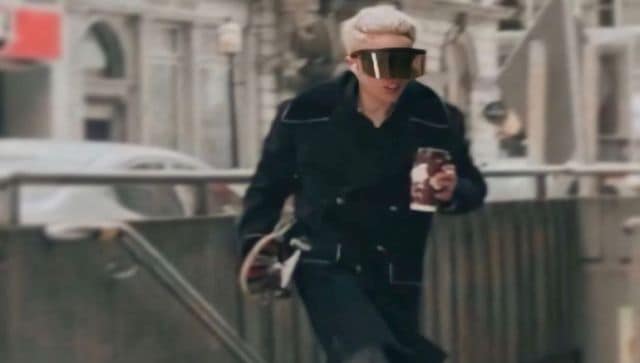 A fact check of the story throws up numerous red flags. Image courtesy: papaxxzy/Instagram[/caption]The red flags the media missedIn a series of tweets, the scribe pointed out that HYPER PR, the agency that claimed to be representing “Saint Von Colucci” was created a month ago and its website carried no information. It listed the standard addresses of WeWork offices in London and Toronto.Rashid, who seems to be the only journalist who cared to fact-check the news, said that the phone number on the website did not pick up and when he let it ring for a while he got a text message, “WTF do you want.”Strangely, “Colucci” has no online presence, save for an Instagram account with suspicious activity. It was reportedly reactivated this week with a comment edited two days ago after the “news” of his death spread.“There have been about 2-3 mentions of the name in the past, but every time, it’s extremely vague, and pics are extremely blurry. No way of confirming identity,” Rashid said in the Twitter thread.When the journalist attempted to check if the pictures were fake one came as AI-generated.Also read: Donald Trump 'arrested'? Vladimir Putin 'in jail'? How deepfakes are spreading misinformation onlineA close look at an Instagram page, which reportedly belongs to “Colucci” and now has 100k “followers”, is a giveaway. Several pictures are blurry and include strange features. In one, the hands appear deformed, which is a clear sign of the use of AI. Though many images claim to be posted in November last year, there is zero interaction with the followers – there is not a single comment on them.Rashid pointed out that the press release by the supposed actor’s supposed PR firm claimed that he died at “Seoul’s National Hospital”, a place that does not exist. “Benefit of doubt, it could be Seoul National University Hospital. I called, they said ‘We don’t have any way to confirm patient information’ and could not assist,” he tweeted.According to a report in Al Jazeera, Colucci was described as “the second son of Geovani Lamas, the CEO of IBG Capital, Europe’s top hedge fund company” in a press release circulated last year.Geovani Lamas has no online presence and a search of IBG Capital shows up results of an investment firm located in Arizona, United States, the report says.Rashid concluded that it was an elaborate hoax; the news was fake. By 26 April, Daily Mail pulled the article down.“All the red flags were there. All the inconsistencies. Yet many large media orgs believed the story and wrote about it without any fact-checking. Zero,” Rashid tweeted.The first case of AI tricking worldwide mediaWhile the story has left the media the world over red-faced, it is the first case of the use of AI to trick publications on such a large scale and spread misinformation.“Mis- and disinformation generated with the help of AI tools are certainly a reason for concern inasmuch as they will make the life of fact-checkers and journalists more difficult,” Felix M Simon, a journalist and doctoral student at the Oxford Internet Institute, told Al Jazeera.Rashid had a warning for all journalists out. “We have now entered the era of fake news generated by AI. It’s real, and the implications are serious, especially for journalists. Think about it: if anyone can create news stories that are convincing, and images that are believable *all with just a few clicks* and fool everyone in the process how can we trust what we see and read online.”[caption id="attachment_12521822" align="alignnone" width="640"]
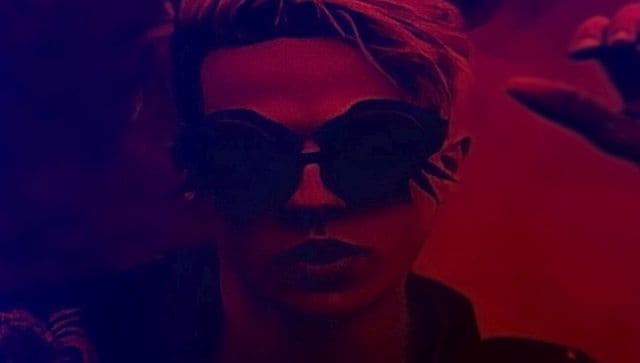 The Instagram account linked to the supposed actor shows suspicious activity. None of the posts have any comments. Image courtesy: papaxxzy/Instagram[/caption]The threat from AIWhile ChatGPT can write full articles and research papers, AI can also be used to create “deep fakes” which manipulate videos and images of real people to spread misformation. Recently AI-generated photographs of Pope Francis in a puffer jacket went viral. Fake images created by AI tools showing former president Donald Trump being arrested also were widely shared on social media last month.While fake images and news might not be new, the fact that they are no longer restricted to WhatsApp and are hoodwinking news organisations is a concern.“Synthetic content is evolving at a rapid rate and the gap between authentic and fake content is becoming more difficult to decipher,” Mounir Ibrahim of Truepic, a digital content analysis company, told the BBC last month.The story of “Saint Von Colucci” is proof.With inputs from agencies Read all the Latest News, Trending News, Cricket News, Bollywood News,India News and Entertainment News here. Follow us on Facebook, Twitter and Instagram.
First Published:Apr 28, 2023, 17:52:03 IST
Advertisement
Advertisement

Military drones & police check-ups: How Sri Lanka is fighting against worst dengue outbreak in a decade
Sri Lanka is fighting its most severe dengue outbreak in nearly a decade, with infections rising sharply across the nation. Military drones have been deployed to tackle the outbreak, which has claimed 56 lives. Health officials said the outbreak is being driven primarily by the DENV-2 variant of the virus
3 min read
How Facebook job ad lured 2 Karnataka men into Myanmar cyber scam camp
The Karnataka Cyber Command has rescued two youths from a scam compound in Myanmar operated by Chinese fraudsters. The duo from Karnataka were lured on the pretext of data-entry jobs. They were asked to work for 16 hours a day and were expected to sleep for six hours daily
4 min read
Why is India seeing 95% cloud cover despite a Super El Niño?
India is witnessing nearly 95 per cent cloud cover despite a Super El Niño, a climate event usually linked to weaker monsoons. Regional weather systems, cyclonic circulations, the monsoon trough and moisture from two seas are temporarily overpowering one of the world's strongest climate phenomena
5 min read
What is CJP’s fourth demand to the government as protests in Delhi intensify?
The protest by the Cockroach Janta Party at Delhi’s Jantar Mantar refuses to die down. The group have made a fourth demand to the Centre, asking that no FIRs are filed against the agitators and that no legal action be taken. The government has expressed willingness to speak to the protesters, but refused to accede on the resignation of Education Minister Dharmandra Pradhan
5 min read
The new geography of war: Why the Houthis can no longer be ignored
The rise of the Houthis marks the emergence of a new geography of war — one in which influence flows not only from capitals and conventional armies, but also from rugged mountains overlooking vital sea lanes
6 min read
Advertisement
Advertisement