


Explained: Why Ethereum, the second most valuable cryptocurrency, is ditching its ‘miners’
Mining requires enormous computing power, which translates to huge energy consumption and, in many areas, greater greenhouse gas emissions at older power plants

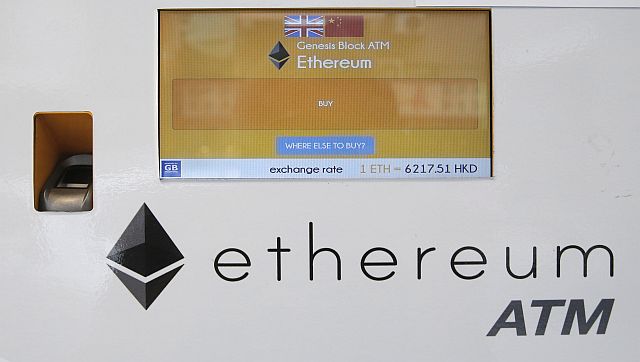
A study cites that annual electricity consumption for cryptocurrency exceeded that of individual nations such as Argentina or Australia. AP[/caption]This problem, however, isn't inherent to cryptocurrency. Most of that energy is used for mining, a computationally intensive process for verifying blockchain transactions that also distributes new coins as rewards for competing miners. Crypto mining favours well-resourced groups that can put together a lot of specialised computers and supply them with electricity as cheaply as possible.That can have unexpected external effects. Prior to the plunge in cryptocurrency values earlier this year, demand for computer graphics cards soared, pushing up prices and emptying store shelves — much to the chagrin of gamers. Such cards turned out to be ideal for crypto mining rigs. Cities and states in the US have also pushed back against crypto firms' plans to build mining sites in their jurisdictions, citing not only power usage but noise.So, what does the Ethereum change do?Primarily, the software update eliminates the need for miners. Where Ethereum previously set miners against each other to solve complex cryptographic puzzles and win new coin as rewards, it now requires parties who want to help validate transactions to put some skin in the game by "staking" a certain amount of ether, the Ethereum coin.Parties from this pool are randomly chosen to validate a block of transactions; a wider group of ether holders will then check their work. Successful validators get paid a reward in ether that is generally proportional to the size of their stake and the length of time they've held it.Will that help the environment?The Ethereum merge many not sound like much, but it could have dramatic effects. Alex de Vries, an economist and founder of the Digiconomist consultancy that focuses on the environmental impact of cryptocurrencies, calculates the shift will result in energy savings of between 99 per cent and 99.99 per cent for Ethereum. (De Vries emphasises that his work has not yet been peer reviewed.)"It's a really small change to the code that's going to have a very big impact on environmental sustainability," he said. Prior to the merge, Ethereum was doing up to 900 billion calculations per second that are now not needed anymore.According to his calculations, Ethereum was responsible for about 44 million metric tons of carbon dioxide emissions per year. If he's correct, these will now be drastically reduced.On the other hand, Bitcoin's energy usage and greenhouse gas emission is significantly larger than Ethereum's — and there doesn't seem to be much enthusiasm for moving away from Bitcoin mining.Ethereum's merge was long planned and involved years of preparation by its developer teams, said Lena Klaassen, co-founder of the Crypto Carbon Ratings Institute, a German company that specialises in measuring crypto environmental impacts. "Such ambitions never existed for Bitcoin and thus I don't expect that Bitcoin will transition" away from mining any time soon, she said.Read all the Latest News, Trending News, Cricket News, Bollywood News,India News and Entertainment News here. Follow us on Facebook, Twitter and Instagram.

Military drones & police check-ups: How Sri Lanka is fighting against worst dengue outbreak in a decade
How Facebook job ad lured 2 Karnataka men into Myanmar cyber scam camp
Why is India seeing 95% cloud cover despite a Super El Niño?
What is CJP’s fourth demand to the government as protests in Delhi intensify?
The new geography of war: Why the Houthis can no longer be ignored