


Explained: How Taliban’s move to bar women from NGOs worsens the humanitarian crisis in Afghanistan
The latest ban is another signal that the Taliban leadership is determined to reinstitute the hard-line rule that the group maintained during its first stretch in power in the 1990s

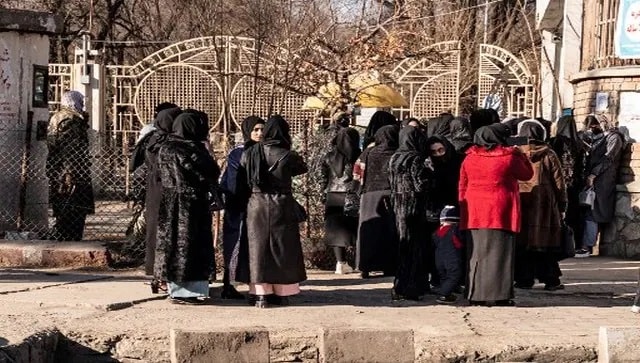
Afghanistan's Taliban rulers have banned university education for women nationwide, provoking condemnation from the United States and the United Nations over another assault on human rights. AFP[/caption]In March, the new government also reneged on promises to allow girls to attend public high schools.The moves further signalled that the Taliban’s leadership has cast aside any intent to moderate, and is determined to reinstitute the hard-line rule that the group maintained during its first stretch in power, in the 1990s.Both announcements also underscore how ideological hard-liners within the Taliban movement, including its supreme leader, Sheikh Haibatullah Akhundzada, have increasingly imposed their influence over those who have urged moderation in order to maintain engagement with the international community.Stoking fears that authorities plan to further roll back women’s rights, security forces in the capital, Kabul, this week held meetings with school principals, teachers and administrators of private education centres, instructing them to shut down their winter courses for all girls — including those in primary schools — and send home their female teachers, according to six education professionals across five districts in Kabul.Schools are currently on winter break but many students have been attending supplementary courses at private schools and education centres before the spring semester begins next year.When asked about the meetings, a spokesperson for the Ministry of Education denied other reports that the government had officially banned girls from attending primary schools. But the meetings raised fears that the Afghan government may be laying the groundwork to further restrict girls’ education next year.Taken together, the bans on women in higher education and Saturday’s ban on employment in NGOs were a heartbreaking blow to women across the country, many of whom had worked to carve out a public role for themselves in Afghan society after the Taliban’s first regime was toppled in 2001.For many Afghan women working for aid groups, their jobs were a testament to that two-decadelong fight. But their incomes have also become a lifeline for their families amid the economic crash and widespread joblessness.“I am in shock,” said Maghfira Ahmadi, who works in the financial and administrative department of Doctors Without Borders in Kunduz, a commercial hub in northern Afghanistan.Ahmadi said she is the sole breadwinner for her family since the Western-backed government collapsed last year and the new government stopped paying the pension of her father, a retired public-school teacher.“I am very worried about the future,” she said. “I used to pay for everything for my family with my salary, but I don’t know what will happen to us.”Christina Goldbaum, Safiullah Padshah and Najim Rahim, c.2022 The New York Times CompanyRead all the Latest News, Trending News, Cricket News, Bollywood News,India News and Entertainment News here. Follow us on Facebook, Twitter and Instagram.

Military drones & police check-ups: How Sri Lanka is fighting against worst dengue outbreak in a decade
How Facebook job ad lured 2 Karnataka men into Myanmar cyber scam camp
Why is India seeing 95% cloud cover despite a Super El Niño?
What is CJP’s fourth demand to the government as protests in Delhi intensify?
The new geography of war: Why the Houthis can no longer be ignored