


Explained: How new pill 'Nexletol' cuts cholesterol and reduces risk of heart attacks
Researchers found that a different type of cholesterol-lowering drug called Nexletol reduces the risk of heart attacks and other cardiovascular problems in people who couldn't tolerate statins

Drugs known as statins are the first-choice treatment for high cholesterol but millions of people who can't or won't take those pills because of side effects may have another option.
In a major study, a different kind of cholesterol-lowering drug named Nexletol reduced the risk of heart attacks and some other cardiovascular problems in people who can't tolerate statins, researchers reported Saturday.
Doctors already prescribe the drug, known chemically as bempedoic acid, to be used together with a statin to help certain high-risk patients further lower their cholesterol. The new study tested Nexletol without the statin combination — and offers the first evidence that it also reduces the risk of cholesterol-caused health problems.
 More from Explainers
Statins remain "the cornerstone of cholesterol-lowering therapies," stressed Dr Steven Nissen of the Cleveland Clinic, who led the study.
But people who can't take those proven pills "are very needy patients, they're extremely difficult to treat," he said. This option "will have a huge impact on public health."
Too much so-called Low Density Lipoprotein (LDL) or "bad" cholesterol can clog arteries and lead to heart attacks and strokes. Statin pills like Lipitor and Crestor — or their cheap generic equivalents — are the mainstay for lowering LDL cholesterol and preventing heart disease or treating those who already have it. They work by blocking some of the liver's cholesterol production.
But some people suffer serious muscle pain from statins. While it's not clear exactly how often that occurs, by some estimates 10 per cent of people who'd otherwise qualify for the pills can't or won't take them. They have limited options, including pricey cholesterol-lowering shots and another kind of pill sold as Zetia.
Nexletol also blocks cholesterol production in the liver but in a different way than statins and without that muscle side effect.[caption id="attachment_12249022" align="alignnone" width="640"]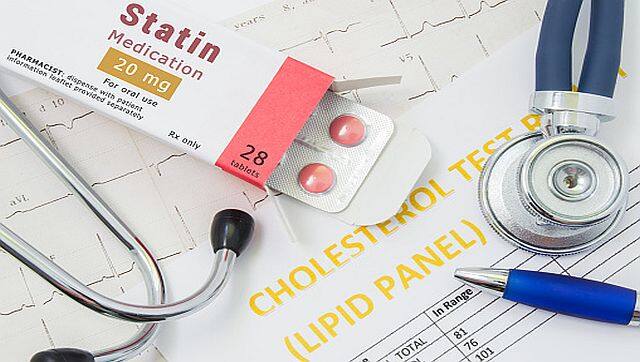
Drugs known as statins are the first-choice treatment for high cholesterol but millions of people who can't or won't take those pills because of side effects may have another option. Pixabay[/caption]The new five-year study tracked nearly 14,000 people who were unable to tolerate more than a very low dose of a statin. Half got daily Nexletol and half a dummy pill.
The main finding: Nexletol-treated patients had a 13 per cent lower risk of a group of major cardiac problems. Then researchers teased apart those different conditions and found a 23 per cent reduced risk of a heart attack, the biggest impact.
The drug also cut by 19 per cent procedures to unclog arteries. There wasn't a difference in deaths, which researchers couldn't explain but said might require longer to detect.
The data was published in the New England Journal of Medicine and presented Saturday at a meeting of the American College of Cardiology. The study was funded by Nexletol maker Esperion Therapeutics.
The results are "compelling," Dr John H Alexander of Duke University, who wasn't involved with the study, wrote in the journal. They "will and should" spur use of the drug by patients unwilling or unable to take statins.
"It is premature, however, to consider bempedoic acid as an alternative to statins," he cautioned. "Given the overwhelming evidence of the vascular benefits," statins remain the top choice for most patients.Read all the Latest News, Trending News, Cricket News, Bollywood News,India News and Entertainment News here. Follow us on Facebook, Twitter and Instagram.

Military drones & police check-ups: How Sri Lanka is fighting against worst dengue outbreak in a decade
How Facebook job ad lured 2 Karnataka men into Myanmar cyber scam camp
Why is India seeing 95% cloud cover despite a Super El Niño?
What is CJP’s fourth demand to the government as protests in Delhi intensify?
The new geography of war: Why the Houthis can no longer be ignored