


Explained: How Imran Khan’s arrest worsens Pakistan’s economic and political woes
Pakistan facing its worst economic crisis has problems of its own: The country is running out of dollars, inflation is high and the IMF bailout is delayed. Imran Khan’s arrest only adds to the instability

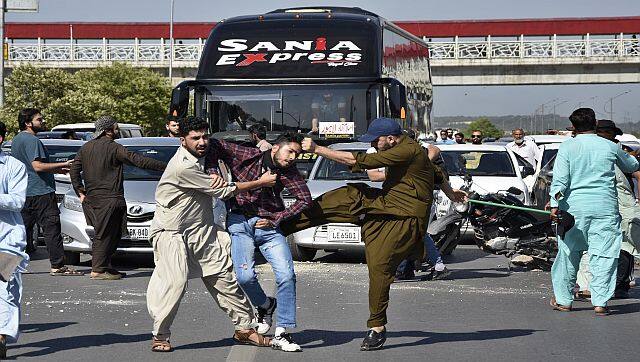
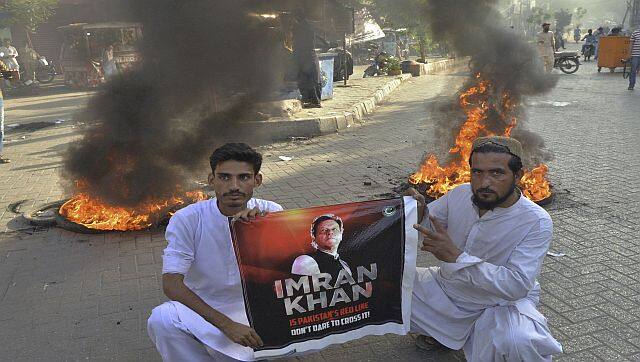
The arrest of former Pakistan prime minister Imran Khan and the call from his party for nationwide protests present another blow to the nuclear-armed country struggling with an economic crisis.
The South Asian nation of 220 million people is running out of dollars, inflation is running at over 36 per cent and an expected IMF bailout has been delayed by months.
Economic slowdown
Industrial activity has virtually ground to a halt as the central bank has raised interest rates to a record 21 per cent to battle inflation, worsening already-high unemployment and poverty.
Also Read: The Fall of Imran Khan: What finally led to arrest of former Pakistani prime minister?
 More from Explainers
Women and children have been killed in stampedes at food distribution centres as food inflation rises to an all-time high of 40 per cent.
Stalled bailout
An IMF bailout programme, which expires in June, has been stalled since November. Foreign exchange reserves at $4.457 billion (Rs 36,573,250 crore) cover barely a month's worth of imports.
Debt relief from friendly countries such as China, Saudi Arabia and the United Arab Emirates has yet to materialise fully.
Revenue shortfall
A revenue shortfall for the fiscal year through June is projected to overshoot targets substantially by most estimates, while the rupee remains weak.
Also Read: Ousted PM Imran Khan arrested, nationwide protests rock Pakistan
Elections
Pakistan is in a constitutional standoff after Prime Minister Shehbaz Sharif's government in April rejected a Supreme Court order to hold local elections in Punjab province by the middle of May. Non-compliance could result in court action against the government. The court has previously sacked two prime ministers.
Political pressure
Khan, arrested for alleged corruption and ousted as prime minister last year, had been ratcheting up pressure on the government through a sustained political campaign as he vied to return to power.
Authorities had made several attempts to arrest Khan since March, which had resulted in clashes between his supporters and law enforcement personnel.
The powerful military
Pakistan governments typically seek the backing of the powerful military, which has ruled the country for more than 30 of its 75 years. Military coups have followed political chaos three times.
Khan's arrest came a day after the military issued a rare statement denouncing him for making allegations against a serving officer.
Rising militancy
The government says it plans a nationwide operation to root out Islamist militants in the face of recent attacks. The last such operation, in 2014, cost the country billions of dollars, killed hundreds and resulted in the displacement of about a million people.
Read all the Latest News, Trending News, Cricket News, Bollywood News,
India News and Entertainment News here. Follow us on Facebook, Twitter and Instagram.

Military drones & police check-ups: How Sri Lanka is fighting against worst dengue outbreak in a decade
How Facebook job ad lured 2 Karnataka men into Myanmar cyber scam camp
Why is India seeing 95% cloud cover despite a Super El Niño?
What is CJP’s fourth demand to the government as protests in Delhi intensify?
The new geography of war: Why the Houthis can no longer be ignored