


Apple iPhone 14 drops SIM card tray for e-SIMs: What are they? How do they work?
e-SIMs are electronic SIM cards built into phones. While a physical SIM card contains the code a network can use to identify an individual, an e-SIM lets code be written onto the phone itself

No more going to the store to get a physical SIM or waiting for your service provider to send you one.[caption id="attachment_11209691" align="alignnone" width="640"]
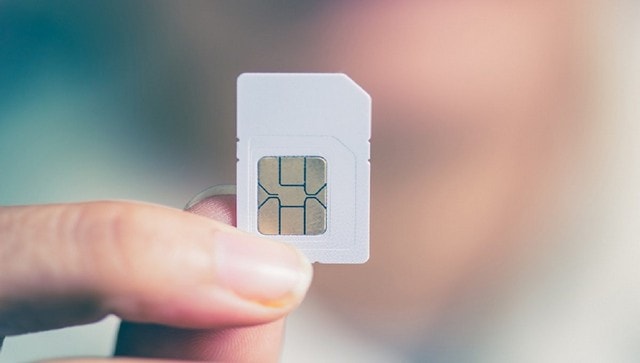
Apple has announced that its new iPhone models will do away with physical SIM cards. News18[/caption]As per Slash Gear, one e-SIM can handle multiple carrier plans. Which means if you have more than one phone number, you need only one device.Another advantage of doing away with physical SIM is that it will free up some space on the phones – allowing them to get even smaller, for engineers to put that new space to some other use and finally, to have one less hole in the phone in need of waterproofing, as per the report.Frequent travellers and those that live in spotty network coverage areas will benefit, as per The Verge.
But it’s not all good news.For instance, those who prefer budget phones – which are unlikely to come with e-SIMs – might well find themselves out of luck, as per Slash Gear.Also, if you’re one of those people who are concerned about being tracked, no more chances to dramatically remove the physical SIM card from your phone.Also, not all mobile networks even support e-SIM. And as e-SIMs become more and more popular, networks are likely to begin charging fees every time you change your carrier.Consumers in favour, experts cautiousApple may made its move at just the right time.Its announcement comes a day after a new report shows a majority of consumers are ready to ditch plastic SIM cards.As per Economic Times, the Amdocs-backed survey shows 81 per cent are in favour of e-SIM-only smartphones in the future compared to just 19 per cent who say they are not ready.Consumers who want their mobile network operator (MNO) to integrate e-SIM into their offering (58 per cent) outnumber those who don’t (15 per cent) by nearly four to one, as per the findings of the survey conducted by commissioned by Amdocs.
What explains customer enthusiasm?Of the 2,500 consumers surveyed across US, UK and Australia, just over a third (32 per cent) cited the ability to switch service providers, as per the report.The other factors included avoiding the hassle of buying a physical SIM and the chance to embrace a fully digital experience.
Writing in The Verge, Nathan Edwards struck a cautious note while analysing the development.“Physical SIMs make it easy to bring your phone to a different carrier or bring your number to a new phone. They’re ubiquitous, work on all phones, and are easy enough to use (though also easy to lose; ask me how I know). Many of my co-workers are not psyched about losing the SIM slot. Moving an e-SIM from an iPhone to an Android phone isn’t necessarily trivial,” Edwards wrote.Edwards added that he doesn’t think removing the SIM tray is ‘necessarily user hostile’, but that it depends on how easy service providers make it for customers.“We’ll see how this plays out,” he concluded.With inputs from agenciesRead all the Latest News, Trending News, Cricket News, Bollywood News,India News and Entertainment News here. Follow us on Facebook, Twitter and Instagram.

Military drones & police check-ups: How Sri Lanka is fighting against worst dengue outbreak in a decade
How Facebook job ad lured 2 Karnataka men into Myanmar cyber scam camp
Why is India seeing 95% cloud cover despite a Super El Niño?
What is CJP’s fourth demand to the government as protests in Delhi intensify?
The new geography of war: Why the Houthis can no longer be ignored