


Explained: 3 ways countries can make single-use plastic bans more effective
Single-use plastic bans can inspire wider changes to social systems. But without planned access to alternatives, a phased introduction, and efforts to nurture public support, product bans have a limited effect on plastic pollution

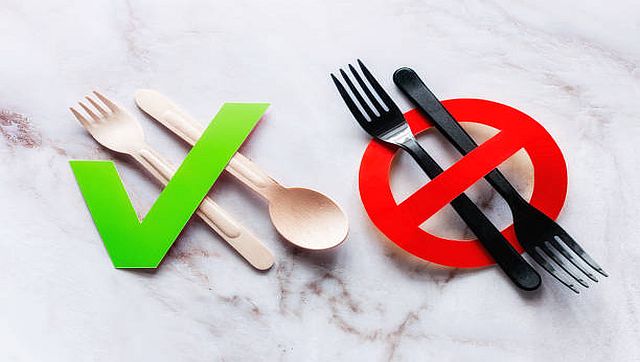
To maintain public support, measures that prevent cost increases from being passed directly on to consumers are beneficial. Image used for representational purposes/Pixabay[/caption]Antigua and Barbuda did this by investing in the research of more sustainable materials and listing approved alternatives to plastic, such as bagasse, a byproduct of sugar-cane processing.To maintain public support, it helps if there are measures which prevent cost hikes being passed directly on to consumers.Alternative materials or products must have a lower environmental impact than the banned product, but this isn’t always guaranteed. Substituting plastic bags for paper, for example, may not be the best idea when the entire life cycle of a product is accounted for.Phase in a banA phased approach to a ban improves how well it works but requires consistent and clear messaging about what products are banned and when. In Antigua and Barbuda, phased plastic bag bans in 2016 and 2017 generated support for banning other plastic products between 2017 and 2018.In both cases, importing these products was restricted first, followed by a ban on distributing them, which gave suppliers time to find alternatives and use up existing stock.This approach was used to good effect in an English ban on plastic straws, cotton buds and stirrers in 2020, allowing retailers to use up their supplies during the six months following the ban’s introduction.Involve the publicInformation campaigns which explain why a ban is needed, what it means for the public and businesses and what alternatives are available serve to support a ban.This was evident from Vanuatu, where the inclusion of diapers in a ban was postponed due to public concerns around the availability of sustainable alternatives.Working closely with the public like this can also encourage innovation. For example, in Vanuatu in 2018, weavers and crafting communities filled the gap left by banned plastic bags and polystyrene takeaway containers with natural alternatives made locally, including bags and food containers woven from palm leaves.Single-use plastic bans can inspire wider changes to social systems and the relationship each person has with plastic. But without planned access to alternatives, a phased introduction, efforts to nurture public support and broader consideration of the entire life cycle of plastic, product bans have a limited effect on plastic pollution, and can even give the false impression of progress.This article is republished from The Conversation under a Creative Commons license. Read the original article.Read all the Latest News, Trending News, Cricket News, Bollywood News,India News and Entertainment News here. Follow us on Facebook, Twitter and Instagram.

Military drones & police check-ups: How Sri Lanka is fighting against worst dengue outbreak in a decade
How Facebook job ad lured 2 Karnataka men into Myanmar cyber scam camp
Why is India seeing 95% cloud cover despite a Super El Niño?
What is CJP’s fourth demand to the government as protests in Delhi intensify?
The new geography of war: Why the Houthis can no longer be ignored