


‘Exclusion from voter list doesn’t mean end of citizenship’: Takeaways from SC’s SIR verdict
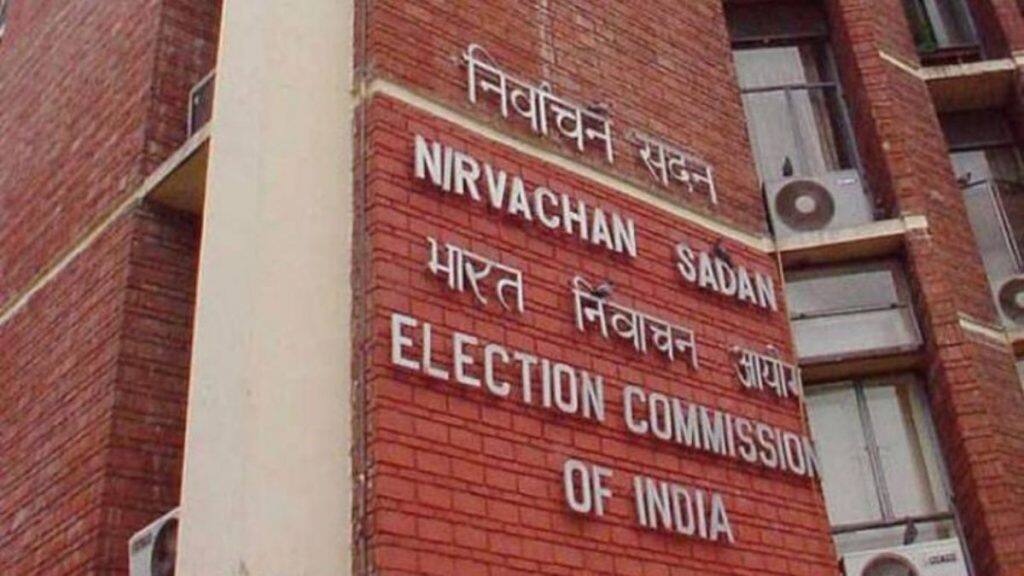
The Supreme Court upheld the constitutional validity of the Election Commission of India’s Special Intensive Revision (SIR) exercise in Bihar. The court said that the names of deleted individuals can be put back on the voter rolls if the competent authority determines that they are citizens

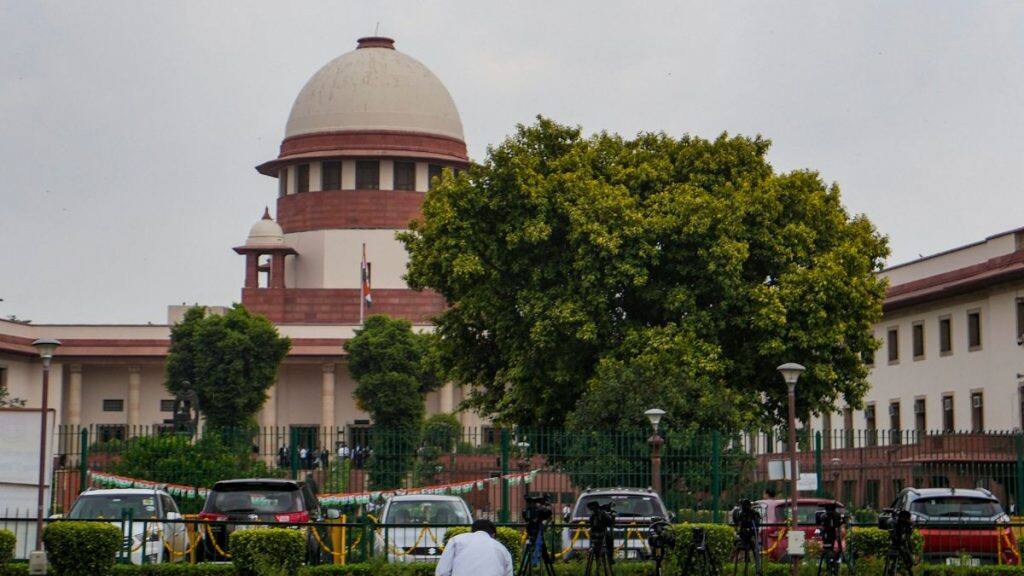
The Supreme Court today (May 27) upheld the constitutional validity of the Election Commission of India’s Special Intensive Revision (SIR) exercise in Bihar.
A bench comprising Chief Justice of India (CJI) Surya Kant and Justices Joymalya Bagchi and V M Pancholi pronounced the verdict. The court, which had earlier reserved its verdict in January 2026, was hearing a clutch of petitions challenging the legality of the SIR, which the ECI began in June 2025 ahead of Assembly polls.
The pleas—filed by the Association for Democratic Reforms (ADR), the People’s Union for Civil Liberties (PUCL), political activist Yogendra Yadav, Trinamool Congress leader Mahua Moitra, RJD MP Manoj Jha, and Congress leader K C Venugopal—argued that the ECI is not empowered to do so under Article 326 of the Constitution and the Representation of the People Act, 1950.
 More from Explainers
But what did the court say? What are the key takeaways from the SIR judgment?
Let’s take a closer look.
‘Has authority to conduct SIR exercise’
The court found that the ECI has the authority to carry out the exercise and that it did not violate the Representation of the People (RP) Act.
“The ECI has the authority to conduct the SIR exercise and did not transgress any statutory or constitutional provision. The EC did not violate any RP Act by ordering SIR of Bihar electoral rolls, as such an exercise ensured the purity of the electoral roll and aided free and fair elections,” the apex court bench said, as per New Indian Express.
“The entire process of SIR, including the staged procedures for deletions along with opportunities for claims and objections and the safeguards, makes it valid and non-arbitrary,” it said in the judgment.
“We are unable to conclude that the impugned exercise is a process resorted to solely for administrative convenience. On the contrary, we hold that the electoral SIR advances the constitutional imperative of free and fair elections,” the bench added.
‘Breathes life into democratic process’
According to Mint, the Supreme Court said that the exercise cannot be voided simply because it did not follow certain procedures under the law. It added that the exercise “breathes life into the democratic process of elections”.
This is important because the petitioners had argued that the SIR was a process akin to the National Register of Citizens. They contended that the ECI does not have the power to conduct such an exercise since the right to verify citizenship lies with the government.
“Issue a writ, order or direction setting aside the Order and Communication dated 24.06.2025 and accompanying guidelines issued by the ECI to conduct SIR of the electoral rolls in Bihar as being in violation of Articles 14, 19, 21, 325, 326 of the Constitution of India and provisions of the Representation of the People (RP) Act, 1950 and the Registration of Electors Rules, 1960,” the ADR plea filed in the top court read, as per New Indian Express.
“The power traceable to Section 21(3) is clearly intended to operate in exceptional situations and constitutes a specific statutory mechanism designed by Parliament for special exigencies affecting the electoral process,” the court said, according to Bar and Bench.
The court ruled that the exercise carried out under Section 21(3) is materially different from the normal SIR carried out under Section 21(2), read with Rule 25.
“When the statute itself authorises a special revision at any time, for reasons to be recorded and in such manner as the Election Commission may deem fit, the impugned exercise cannot be invalidated merely because it does not conform in every respect to the ordinary modalities contemplated for routine revision,” the court said.
“In our considered opinion, the impugned SIR does not supplant the Representation of the People Act and the Rules. Rather, it breathes life into the constitutional mandate under Article 324 within the precise statutory contours provided by Section 21(3). Therefore, it cannot be said that the Commission has acted in excess of its statutory powers,” the court ruled.
The verdict gains significance as it sanctions the Election Commission’s powers to undertake intensive revisions of electoral rolls to ensure the accuracy and integrity of voter lists. According to The Telegraph India, the SIR notification in Bihar stated that voters who were not included in the electoral rolls for the years 2002 or 2003 had to show links with parents who were on the rolls. After the completion of the SIR exercise, around 63 lakh voters were deleted from the draft rolls.
ECI can add back citizens to voter rolls
CJI Surya Kant was quoted by The Indian Express as saying that the names of deleted individuals can be restored to the voter rolls if the competent authority determines that they are citizens.
“In addition thereto, all persons who are domiciled in Bihar and whose names have been erroneously deleted on the ground that they are absent, dead, extinct, or duplicated may also assail the decision of the Commission by way of judicial review,” the CJI added.
The court ordered the ECI to refer such cases to the competent authority under the Citizenship Act within four weeks.
“The competent authority shall take the necessary decision in accordance with law, preferably before the next Parliament, Assembly, or local body election—whichever is earlier—after giving notice and an opportunity of hearing to the deleted individual concerned,” the CJI said.
The poll panel has announced the third and final phase of SIR across 16 states and three Union Territories from May 30. It previously carried out Phase I in Bihar between June and September 2025. Meanwhile, Phase II was conducted across nine states and three UTs between October 2025 and February 2026.
FAQs
1. What is the Special Intensive Revision (SIR)?
SIR is a process conducted by the Election Commission of India to thoroughly revise electoral rolls to ensure accuracy, remove ineligible entries, and include eligible voters.
2. Did the Supreme Court say voter deletion means loss of citizenship?
No. The court clarified that exclusion from the voter list does not amount to loss of citizenship, and individuals can seek restoration if found eligible.
3. Can deleted voters get their names back on the rolls?
Yes. The Supreme Court directed that cases of deletion be reviewed, and eligible citizens can have their names reinstated after due verification by the competent authority.
With inputs from agencies

Military drones & police check-ups: How Sri Lanka is fighting against worst dengue outbreak in a decade
How Facebook job ad lured 2 Karnataka men into Myanmar cyber scam camp
Why is India seeing 95% cloud cover despite a Super El Niño?
What is CJP’s fourth demand to the government as protests in Delhi intensify?
The new geography of war: Why the Houthis can no longer be ignored