
Advertisement


Sections
Can zero-calorie sweetener, erythritol, increase the risks of heart attack and stroke?
A study by researchers at the Cleveland Clinic has found that erythritol, an artificial sweetener used as a sugar substitute, can lead to stroke, heart attack, blood clotting, and even death in people who had existing risk factors for heart disease

Erythritol, a zero-calorie artificial sweetener used as a sugar substitute, may lead to stroke, heart attack, blood clotting, and even death, a new study claims.The research published in the journal Nature Medicine on Monday (27 February) says that people who had existing risk factors for heart disease were twice as likely to suffer from a heart attack or stroke if they had the highest level of erythritol in their blood, CNN reported.“If your blood level of erythritol was in the top 25 per cent compared to the bottom 25 per cent, there was about a two-fold higher risk for heart attack and stroke. It’s on par with the strongest of cardiac risk factors, like diabetes,” lead study author Dr Stanley Hazen, director of the Center for Cardiovascular Diagnostics and Prevention at the Cleveland Clinic Lerner Research Institute, told CNN.What is erythritol? How was the study conducted, what did the researchers find, and what have experts said about the findings? We explain.What is erythritol?![sweetener heart risks]() Sugar-free products which have erythritol are often suggested for people with obesity and diabetes. Pixabay (Representational Image)[/caption]Speaking to CNN, Hazen explained, “Erythritol looks like sugar, it tastes like sugar, and you can bake with it".“It’s become the sweetheart of the food industry, an extremely popular additive to keto and other low-carb products and foods marketed to people with diabetes,” he added.ALSO READ: Here's why artificial sweeteners are not good for healthHow was the study conducted?The researchers at the Cleveland Clinic analysed the blood samples of over 4,000 people in the United States and Europe who were at risk for heart disease.First, 1,157 blood samples gathered between 2004 and 2011 were studied, then another batch of blood samples from over 2,100 people in the US and 833 other samples collected in Europe through 2018 were examined, reported CNN.In all three populations – most of which were males in their 60s and 70s – three-quarters had coronary disease or high blood pressure, and a fifth had diabetes.As per CNN, the researchers found that, in all these participants, greater levels of erythritol were linked to a higher risk of heart attack, stroke or death within three years.Hazen told CNN that they were not looking to study artificial sweeteners and that discovering the connection between erythritol and cardiovascular issues was accidental.Why does this happen?After conducting further animal and lab tests, the researchers found that erythritol was “provoking enhanced thrombosis,” or clotting in the blood, CNN reported.Hazen said that erythritol appears to make platelets more responsive.“A mere 10 per cent stimulant produces 90 per cent to 100 per cent of a clot formation,” he explained.“For people who are at risk for clotting, heart attack and stroke – like people with existing cardiac disease or people with diabetes – I think that there’s sufficient data here to say stay away from erythritol until more studies are done,” the senior researcher told CNN.[caption id="attachment_12227142" align="alignnone" width="640"]
Sugar-free products which have erythritol are often suggested for people with obesity and diabetes. Pixabay (Representational Image)[/caption]Speaking to CNN, Hazen explained, “Erythritol looks like sugar, it tastes like sugar, and you can bake with it".“It’s become the sweetheart of the food industry, an extremely popular additive to keto and other low-carb products and foods marketed to people with diabetes,” he added.ALSO READ: Here's why artificial sweeteners are not good for healthHow was the study conducted?The researchers at the Cleveland Clinic analysed the blood samples of over 4,000 people in the United States and Europe who were at risk for heart disease.First, 1,157 blood samples gathered between 2004 and 2011 were studied, then another batch of blood samples from over 2,100 people in the US and 833 other samples collected in Europe through 2018 were examined, reported CNN.In all three populations – most of which were males in their 60s and 70s – three-quarters had coronary disease or high blood pressure, and a fifth had diabetes.As per CNN, the researchers found that, in all these participants, greater levels of erythritol were linked to a higher risk of heart attack, stroke or death within three years.Hazen told CNN that they were not looking to study artificial sweeteners and that discovering the connection between erythritol and cardiovascular issues was accidental.Why does this happen?After conducting further animal and lab tests, the researchers found that erythritol was “provoking enhanced thrombosis,” or clotting in the blood, CNN reported.Hazen said that erythritol appears to make platelets more responsive.“A mere 10 per cent stimulant produces 90 per cent to 100 per cent of a clot formation,” he explained.“For people who are at risk for clotting, heart attack and stroke – like people with existing cardiac disease or people with diabetes – I think that there’s sufficient data here to say stay away from erythritol until more studies are done,” the senior researcher told CNN.[caption id="attachment_12227142" align="alignnone" width="640"]![artificial sweetener heart risks]() Erythritol appears to make platelets more responsive. Pixabay (Representational Image)[/caption]Hazen and his team carried out the final phase of the study on eight healthy volunteers, who were asked to drink a beverage containing 30 grams of erythritol.The blood tests were conducted on these participants for three days to check erythritol levels and clotting risk.“Thirty grams was enough to make blood levels of erythritol go up a thousandfold,” Hazen told CNN. “It remained elevated above the threshold necessary to trigger and heighten clotting risk for the following two to three days.”“Our study shows that when participants consumed an artificially sweetened beverage with an amount of erythritol found in many processed foods, markedly elevated levels in the blood are observed for days – levels well above those observed to enhance clotting risks,” Hazen, who also directs the Cleveland Clinic’s Center for Microbiome and Human Health, said in a press release.“It is important that further safety studies are conducted to examine the long-term effects of artificial sweeteners in general, and erythritol specifically, on risks for heart attack and stroke, particularly in people at higher risk for cardiovascular disease.”ALSO READ: Added sugars are injurious to health: What are these sweetners?What do experts say?Experts believe that more study is necessary and it is too soon to conclude that erythritol causes problems for those who consume it regularly.They also say that the “translatability” of the findings to the general population needs to be established, as per The Washington Post.Robert Rankin, the Calorie Control Council’s executive director told CNN in an email that “the results of this study are contrary to decades of scientific research showing reduced-calorie sweeteners like erythritol are safe, as evidenced by global regulatory permissions for their use in foods and beverages”.The results “should not be extrapolated to the general population, as the participants in the intervention were already at increased risk for cardiovascular events,” Rankin added.Dr David Agus, a medical contributor at CBS News, said there is "certainly enough data to make you very worried.""Most artificial sweeteners bind to your sweet receptors but aren't absorbed. Erythritol is absorbed and has significant effects, as we see in the study," Agus said.Oliver Jones, a professor of chemistry at RMIT University in Victoria, Australia, said in a statement that the study revealed a correlation, not causation, reported CNN. “As the authors themselves note, they found an association between erythritol and clotting risk, not definitive proof such a link exists”.“Any possible (and, as yet unproven) risks of excess erythritol would also need to be balanced against the very real health risks of excess glucose consumption,” Jones added.With inputs from agenciesRead all the Latest News, Trending News, Cricket News, Bollywood News,India News and Entertainment News here. Follow us on Facebook, Twitter and Instagram.
Erythritol appears to make platelets more responsive. Pixabay (Representational Image)[/caption]Hazen and his team carried out the final phase of the study on eight healthy volunteers, who were asked to drink a beverage containing 30 grams of erythritol.The blood tests were conducted on these participants for three days to check erythritol levels and clotting risk.“Thirty grams was enough to make blood levels of erythritol go up a thousandfold,” Hazen told CNN. “It remained elevated above the threshold necessary to trigger and heighten clotting risk for the following two to three days.”“Our study shows that when participants consumed an artificially sweetened beverage with an amount of erythritol found in many processed foods, markedly elevated levels in the blood are observed for days – levels well above those observed to enhance clotting risks,” Hazen, who also directs the Cleveland Clinic’s Center for Microbiome and Human Health, said in a press release.“It is important that further safety studies are conducted to examine the long-term effects of artificial sweeteners in general, and erythritol specifically, on risks for heart attack and stroke, particularly in people at higher risk for cardiovascular disease.”ALSO READ: Added sugars are injurious to health: What are these sweetners?What do experts say?Experts believe that more study is necessary and it is too soon to conclude that erythritol causes problems for those who consume it regularly.They also say that the “translatability” of the findings to the general population needs to be established, as per The Washington Post.Robert Rankin, the Calorie Control Council’s executive director told CNN in an email that “the results of this study are contrary to decades of scientific research showing reduced-calorie sweeteners like erythritol are safe, as evidenced by global regulatory permissions for their use in foods and beverages”.The results “should not be extrapolated to the general population, as the participants in the intervention were already at increased risk for cardiovascular events,” Rankin added.Dr David Agus, a medical contributor at CBS News, said there is "certainly enough data to make you very worried.""Most artificial sweeteners bind to your sweet receptors but aren't absorbed. Erythritol is absorbed and has significant effects, as we see in the study," Agus said.Oliver Jones, a professor of chemistry at RMIT University in Victoria, Australia, said in a statement that the study revealed a correlation, not causation, reported CNN. “As the authors themselves note, they found an association between erythritol and clotting risk, not definitive proof such a link exists”.“Any possible (and, as yet unproven) risks of excess erythritol would also need to be balanced against the very real health risks of excess glucose consumption,” Jones added.With inputs from agenciesRead all the Latest News, Trending News, Cricket News, Bollywood News,India News and Entertainment News here. Follow us on Facebook, Twitter and Instagram.
Erythritol is a sugar alcohol found naturally in many vegetables and fruits such as watermelons, pears and grapes.It is around 70 per cent as sweet as sugar and is manufactured artificially in large quantities by fermenting corn, as per the press release by Cleveland Clinic.Artificial sweeteners have become quite common ingredients that are used in soft drinks, diet foods and other processed products, noted ABC News.Sugar-free products which have erythritol are often suggested for people with obesity, diabetes or metabolic syndrome to control their sugar and calorie intake, according to CBS News.[caption id="attachment_12227122" align="alignnone" width="640"]
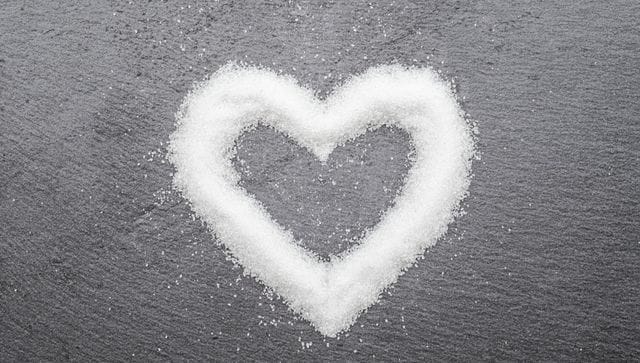 Sugar-free products which have erythritol are often suggested for people with obesity and diabetes. Pixabay (Representational Image)[/caption]Speaking to CNN, Hazen explained, “Erythritol looks like sugar, it tastes like sugar, and you can bake with it".“It’s become the sweetheart of the food industry, an extremely popular additive to keto and other low-carb products and foods marketed to people with diabetes,” he added.ALSO READ: Here's why artificial sweeteners are not good for healthHow was the study conducted?The researchers at the Cleveland Clinic analysed the blood samples of over 4,000 people in the United States and Europe who were at risk for heart disease.First, 1,157 blood samples gathered between 2004 and 2011 were studied, then another batch of blood samples from over 2,100 people in the US and 833 other samples collected in Europe through 2018 were examined, reported CNN.In all three populations – most of which were males in their 60s and 70s – three-quarters had coronary disease or high blood pressure, and a fifth had diabetes.As per CNN, the researchers found that, in all these participants, greater levels of erythritol were linked to a higher risk of heart attack, stroke or death within three years.Hazen told CNN that they were not looking to study artificial sweeteners and that discovering the connection between erythritol and cardiovascular issues was accidental.Why does this happen?After conducting further animal and lab tests, the researchers found that erythritol was “provoking enhanced thrombosis,” or clotting in the blood, CNN reported.Hazen said that erythritol appears to make platelets more responsive.“A mere 10 per cent stimulant produces 90 per cent to 100 per cent of a clot formation,” he explained.“For people who are at risk for clotting, heart attack and stroke – like people with existing cardiac disease or people with diabetes – I think that there’s sufficient data here to say stay away from erythritol until more studies are done,” the senior researcher told CNN.[caption id="attachment_12227142" align="alignnone" width="640"]
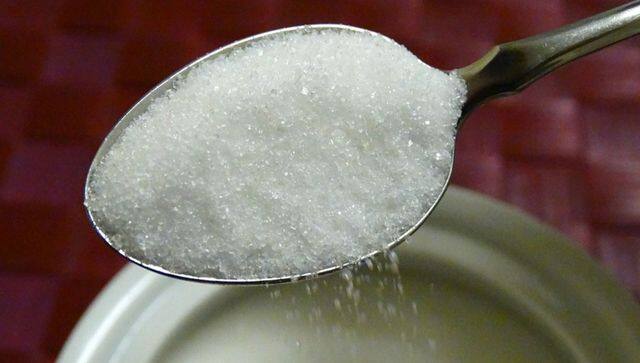 Erythritol appears to make platelets more responsive. Pixabay (Representational Image)[/caption]Hazen and his team carried out the final phase of the study on eight healthy volunteers, who were asked to drink a beverage containing 30 grams of erythritol.The blood tests were conducted on these participants for three days to check erythritol levels and clotting risk.“Thirty grams was enough to make blood levels of erythritol go up a thousandfold,” Hazen told CNN. “It remained elevated above the threshold necessary to trigger and heighten clotting risk for the following two to three days.”“Our study shows that when participants consumed an artificially sweetened beverage with an amount of erythritol found in many processed foods, markedly elevated levels in the blood are observed for days – levels well above those observed to enhance clotting risks,” Hazen, who also directs the Cleveland Clinic’s Center for Microbiome and Human Health, said in a press release.“It is important that further safety studies are conducted to examine the long-term effects of artificial sweeteners in general, and erythritol specifically, on risks for heart attack and stroke, particularly in people at higher risk for cardiovascular disease.”ALSO READ: Added sugars are injurious to health: What are these sweetners?What do experts say?Experts believe that more study is necessary and it is too soon to conclude that erythritol causes problems for those who consume it regularly.They also say that the “translatability” of the findings to the general population needs to be established, as per The Washington Post.Robert Rankin, the Calorie Control Council’s executive director told CNN in an email that “the results of this study are contrary to decades of scientific research showing reduced-calorie sweeteners like erythritol are safe, as evidenced by global regulatory permissions for their use in foods and beverages”.The results “should not be extrapolated to the general population, as the participants in the intervention were already at increased risk for cardiovascular events,” Rankin added.Dr David Agus, a medical contributor at CBS News, said there is "certainly enough data to make you very worried.""Most artificial sweeteners bind to your sweet receptors but aren't absorbed. Erythritol is absorbed and has significant effects, as we see in the study," Agus said.Oliver Jones, a professor of chemistry at RMIT University in Victoria, Australia, said in a statement that the study revealed a correlation, not causation, reported CNN. “As the authors themselves note, they found an association between erythritol and clotting risk, not definitive proof such a link exists”.“Any possible (and, as yet unproven) risks of excess erythritol would also need to be balanced against the very real health risks of excess glucose consumption,” Jones added.With inputs from agenciesRead all the Latest News, Trending News, Cricket News, Bollywood News,India News and Entertainment News here. Follow us on Facebook, Twitter and Instagram.
First Published:Mar 01, 2023, 16:39:15 IST
Advertisement
Advertisement

Military drones & police check-ups: How Sri Lanka is fighting against worst dengue outbreak in a decade
Sri Lanka is fighting its most severe dengue outbreak in nearly a decade, with infections rising sharply across the nation. Military drones have been deployed to tackle the outbreak, which has claimed 56 lives. Health officials said the outbreak is being driven primarily by the DENV-2 variant of the virus
3 min read
How Facebook job ad lured 2 Karnataka men into Myanmar cyber scam camp
The Karnataka Cyber Command has rescued two youths from a scam compound in Myanmar operated by Chinese fraudsters. The duo from Karnataka were lured on the pretext of data-entry jobs. They were asked to work for 16 hours a day and were expected to sleep for six hours daily
4 min read
Why is India seeing 95% cloud cover despite a Super El Niño?
India is witnessing nearly 95 per cent cloud cover despite a Super El Niño, a climate event usually linked to weaker monsoons. Regional weather systems, cyclonic circulations, the monsoon trough and moisture from two seas are temporarily overpowering one of the world's strongest climate phenomena
5 min read
What is CJP’s fourth demand to the government as protests in Delhi intensify?
The protest by the Cockroach Janta Party at Delhi’s Jantar Mantar refuses to die down. The group have made a fourth demand to the Centre, asking that no FIRs are filed against the agitators and that no legal action be taken. The government has expressed willingness to speak to the protesters, but refused to accede on the resignation of Education Minister Dharmandra Pradhan
5 min read
The new geography of war: Why the Houthis can no longer be ignored
The rise of the Houthis marks the emergence of a new geography of war — one in which influence flows not only from capitals and conventional armies, but also from rugged mountains overlooking vital sea lanes
6 min read
Advertisement
Advertisement