


Drink Responsibly: Is it possible to be allergic to alcohol?
Alcohol allergies are rare, with reported cases mainly involving rashes. But symptoms like wheezing and headaches that mimic allergies often perplex people. If we look closely, it becomes clear that the source of these reactions is not just the alcohol but the complex composition of the drink

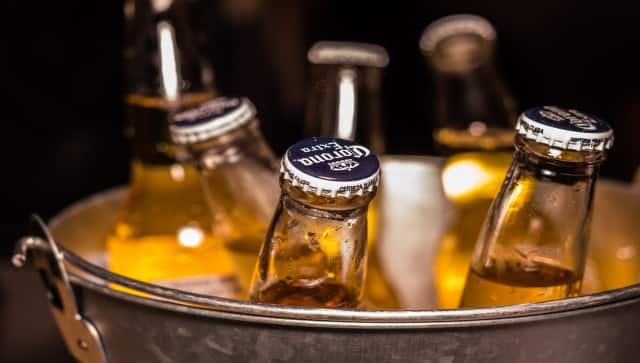
For those grappling with these enigmatic reactions, avoidance is often the best course of action. Pexels[/caption]Histamine, a familiar name to allergy sufferers, emerges as a prominent figure in this narrative. Present in abundance, particularly in red wines, histamine can be the instigator of headaches, flushing, nasal symptoms, gut disturbances or even asthma. Those intolerant of histamine may grapple with these symptoms because their body is unable to break down and eliminate this compound.While yeast allergies are not unheard of, studies cast a reassuring light on the low levels of yeast allergens in alcoholic drinks. True allergic reactions stemming from yeasts are a rare occurrence, dampening the suspicion that this microscopic organism is the chief cause.Sulphur dioxide, commonly found in home-brewed beers and wines, especially in the form of sodium metabisulphite, is another potential culprit. About one in ten asthmatics may find themselves wheezing in response to sulphites, with rashes and anaphylactic reactions being the exception rather than the rule.Sulfite is one of 14 allergens that must be listed in bold in all prepared foods and restaurants.In the realm of additives, substances like tartrazine and sodium benzoate emerge as potential instigators of urticaria and asthma. As we sift through the components that constitute our favourite drinks, awareness of these additives becomes pivotal for those navigating sensitivities.The very essence of alcoholic beverages lies in the plants from which they derive, be they grapes, apples, juniper berries, coconuts, oranges, hops, or malt. While these plant-derived allergens can theoretically trigger true allergic reactions, most are destroyed during processing.An exception, albeit a rare one, is the potential trouble posed by fungal spores (mould) from the corks of wine bottles. Sensitivity to this fungus is uncommon, but for those at risk, a visible mould-laden cork could expose them to an unwarranted dose of allergens.Identifying triggersFor those grappling with these enigmatic reactions, avoidance is often the best course of action.Keeping meticulous records of the drink type, accompanying consumables, and physical activities during the episode can assist in identifying triggers. If all alcoholic drinks seem to induce reactions, it might signal an exaggerated response to alcohol or an exacerbation of an underlying condition.As we raise our glasses to the complexity of alcohol-related reactions, a journey through the nuances of congeners, histamines, yeasts, sulphites, additives, and plant-derived allergens unfolds. In the spirit of scientific exploration, the quest for a comprehensive understanding of these reactions continues, promising insights that may one day unveil the mysteries behind the intricate dance between our bodies and the libations we savour.This article is republished from The Conversation under a Creative Commons license. Read the original article.

Military drones & police check-ups: How Sri Lanka is fighting against worst dengue outbreak in a decade
How Facebook job ad lured 2 Karnataka men into Myanmar cyber scam camp
Why is India seeing 95% cloud cover despite a Super El Niño?
What is CJP’s fourth demand to the government as protests in Delhi intensify?
The new geography of war: Why the Houthis can no longer be ignored