


Trump’s threat to retake control of Panama Canal: What’s the history behind the controversy?
US President-elect Donald Trump has suggested that the United States might reclaim the Panama Canal, citing rising tariffs and potential Chinese influence. This provocative statement revives discussions about the canal’s tumultuous history — from its American-led construction to its transfer to Panama in 1999 — and the geopolitics of one of the world’s most vital trade arteries

Donald Trump, former United States president and now president-elect has threatened to reclaim the Panama Canal, citing rising tariffs and concerns over sovereignty.
In a recent address on Sunday, he asserted that the canal, a critical maritime passage connecting the Atlantic and Pacific oceans, was "foolishly given away" by the United States and warned against potential Chinese influence in its operations.
“We’re being ripped off”
Speaking to supporters in Arizona during an event organised by Turning Point USA, Trump criticised Panama for charging “excessive rates” to use the canal.
“Has anyone ever heard of the Panama Canal?” he asked rhetorically. “We’re being ripped off like we are everywhere else. If the principles, both moral and legal, of this magnanimous gesture of giving are not followed, then we will demand that the Panama Canal be returned to us, in full, quickly, and without question.”
 More from Explainers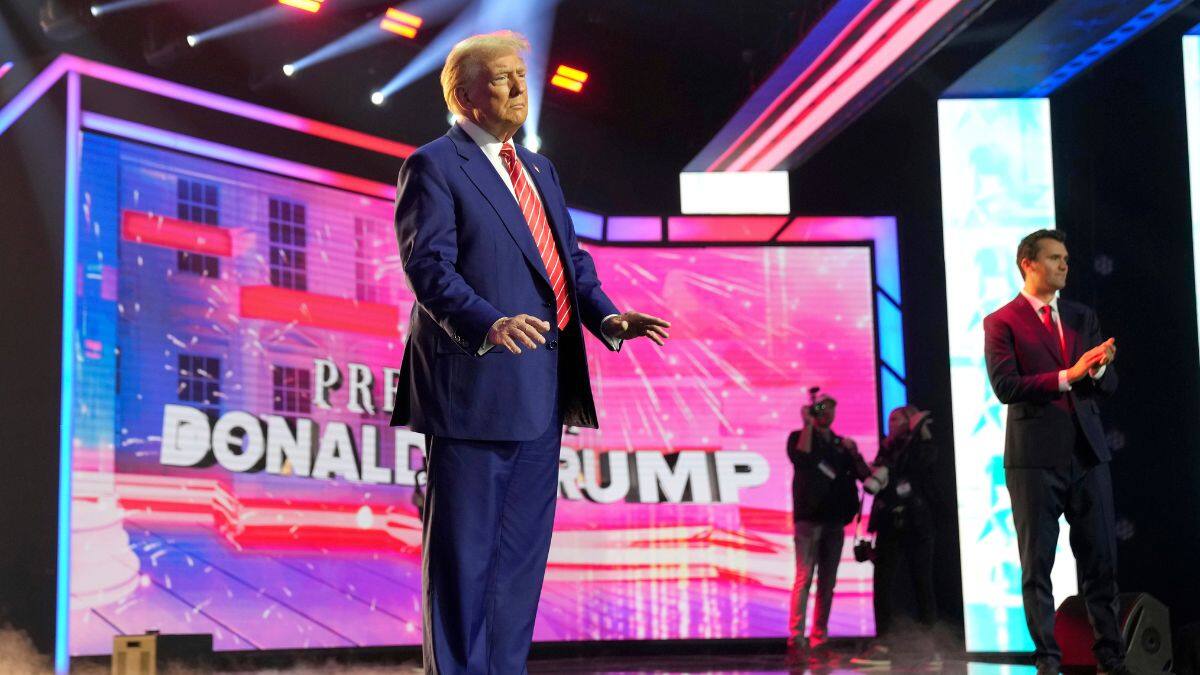
On Truth Social, Trump posted an image of the US flag with the caption, “Welcome to the United States Canal!” His statements have drawn widespread attention, with critics questioning the feasibility of such a move under international law.
Panama’s President Jose Raul Mulino swiftly responded. “Every square meter of the Panama Canal belongs to Panama and will continue to belong to Panama,” he stated on X. Addressing Trump’s concerns about tariffs, Mulino added, “The tariffs are not set on a whim but based on expert assessments of operational costs and market dynamics.”
Mulino also addressed accusations of Chinese influence, stating, “China does not control or administer the canal.” He highlighted Panama’s sovereignty, adding, “When it comes to our canal, and our sovereignty, we will all unite under our Panamanian flag.”
Trump retorted, “We’ll see about that!” escalating the war of words.
Trump’s remarks also revived discussions about his earlier musings on territorial expansion. During his first term, he floated the idea of purchasing Greenland from Denmark, a proposal that was met with international ridicule.
Critics argue that his latest comments regarding the Panama Canal are another example of his confrontational diplomatic style.
What Panama Canal's history tells us
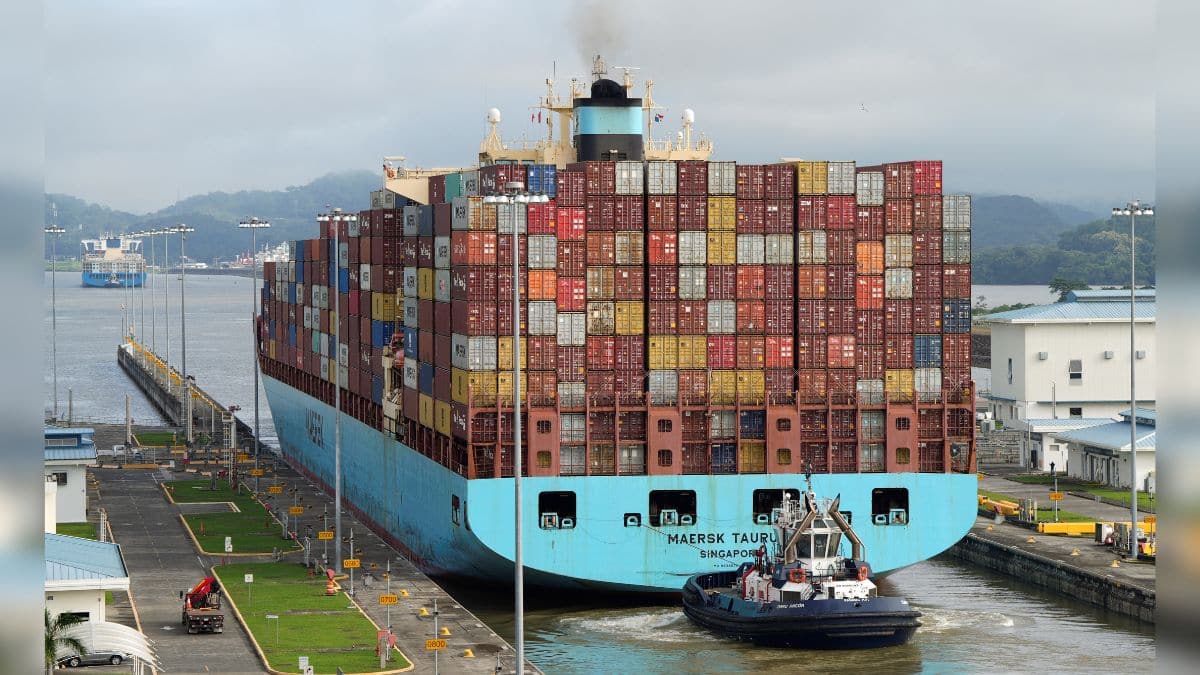
The Panama Canal, an 82-kilometer (51-mile) artificial waterway, connects the Atlantic and Pacific Oceans through the Isthmus of Panama.
One of the most ambitious engineering projects of its time, the canal significantly reduced maritime travel times, allowing ships to avoid the treacherous routes around South America’s southern tip.
The idea for an interoceanic canal dates back centuries, but it wasn’t until the late 19th and early 20th centuries that the project took shape. Initially attempted by the French under Ferdinand de Lesseps — the mastermind behind the Suez Canal — the project faltered due to engineering challenges, high costs, and tropical diseases.
Between 1881 and 1889, the effort collapsed, with an estimated 22,000 workers losing their lives to diseases like malaria and yellow fever.
In 1904, the United States took over the project under the Spooner Act, purchasing the rights and assets from the French for $40 million. Spearheaded by US President Theodore Roosevelt, the canal’s construction symbolised US ingenuity and determination.
The use of advanced medical techniques, including the eradication of mosquito-borne diseases, marked a turning point in its completion.
Also Watch:
When the Panama Canal opened in 1914, it stood as a testament to human innovation. However, its creation was not without controversy. The US initially supported Panama’s independence from Colombia to secure the rights to build the canal.
The Hay–Bunau-Varilla Treaty granted the US control over the Panama Canal Zone, a move that sparked resentment among Panamanians for decades.
How Panama Canal went from US control to Panamanian sovereignty
For much of the 20th century, the Panama Canal was a vital US strategic asset, facilitating the movement of military and commercial vessels. However, Panamanians’ demand for sovereignty over the canal grew louder, culminating in the Torrijos–Carter Treaties of 1977.
Signed by US President Jimmy Carter and Panamanian leader Omar Torrijos, the treaties set a timeline for the canal’s gradual transfer to Panama.
On December 31, 1999, the Panama Canal Authority (PCA), a Panamanian government agency, assumed full control.
Since then, Panama has managed the canal, overseeing significant expansions, including the 2016 addition of wider locks to accommodate Neopanamax ships. Today, the canal handles over 14,000 vessels annually and facilitates 2.5 per cent of global trade.
Trump’s Controversial Remarks and Diplomatic Fallout
Why Panama Canal is a lifeline for global trade
The Panama Canal remains indispensable for global commerce. It accommodates approximately 3.5 per cent of the world’s maritime trade, serving as a crucial conduit for goods like liquefied natural gas, automobiles, and consumer products.
The US accounts for about 75 per cent of the canal’s traffic, with China ranking as the second-largest user.
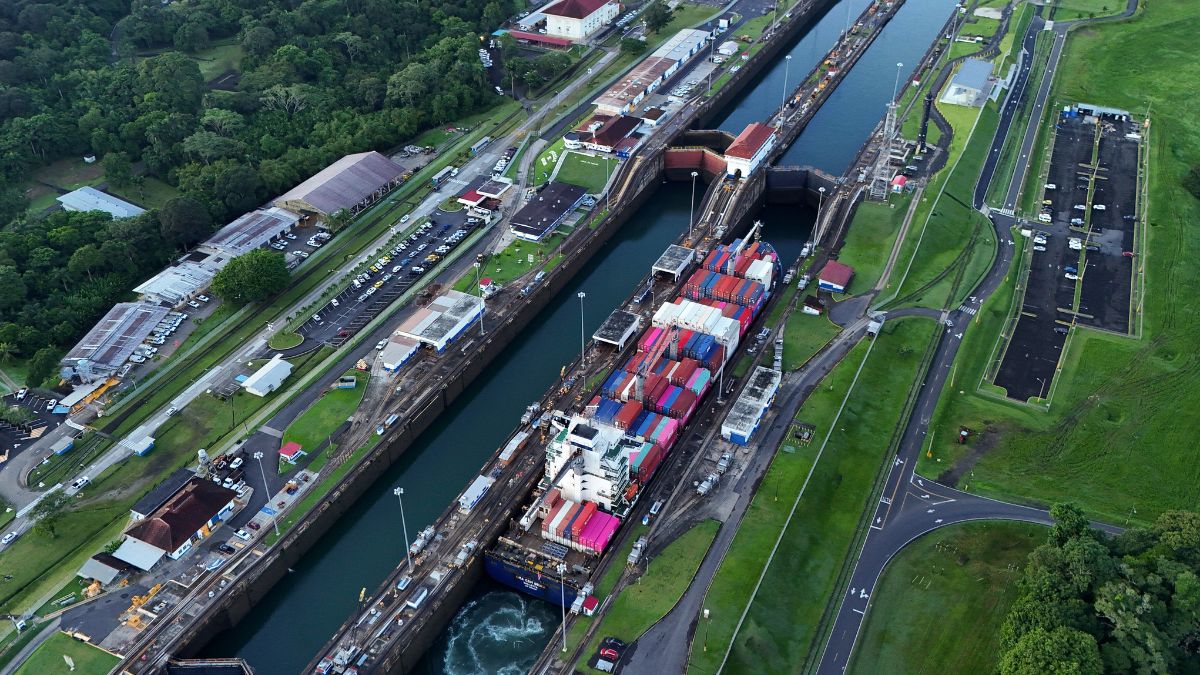
Recent challenges, including severe droughts, have tested the canal’s resilience. Low water levels in 2023 forced administrators to reduce daily ship transits and raise tolls, leading to supply chain disruptions.
While conditions have since normalised, climate-related challenges continue to pose risks.
With inputs from agencies

Who is Sandeep Lamba, the Delhi cop removed from protest site duty after slapping female protester?
Explorers discover wreckage of plane 72 years later. Will this help in finding MH370?
Cruise missiles, drones and more... The deadly arsenal of the Houthis
Why India may not witness a medal rush at 2026 Commonwealth Games
Delhi Police asks personnel to wear uniform: What the law says on cops in plainclothes during protests