


Explorers discover wreckage of plane 72 years later. Will this help in finding MH370?
On April 11, 1952, a Pan Am Flight 526A, crashed into the Atlantic Ocean, killing 52 of the 69 people on board. After decades of effort, explorers have found the wreck of the plane at the bottom of the seabed near Puerto Rico. The discovery offers new hope to families who lost loved ones in the Malaysia Airlines Flight 370 crash in 2014

Almost all of us have heard the safety instructions about inflating life jackets and finding the exits on a plane in case of an emergency before we take off. But did you know that these instructions came into existence after a Pan Am plane crashed into the Atlantic Ocean off Puerto Rico’s northern coast on April 11, 1952?
What’s even more surprising is that the debris of this plane has been found years after it crashed into the water.
The discovery of this wreck also offers new hope for families who lost loved ones in other ocean crashes like Malaysia Airlines Flight 370 that disappeared 12 years ago with 269 people aboard.
 More from Explainers
The devastating Pan Am crash in 1952
On April 11, 1952, Pan Am Flight 526A took off from San Juan's Isla Grande Airport in Puerto Rico, bound for New York’s Idlewild (now JFK), carrying 64 passengers and five crew.
Shortly after take-off, the Clipper Endeavor’s engine number 3 failed, followed by engine number 4. The pilot then crashed the plane into rough seas approximately 18 kilometres northwest of San Juan. The tail sheared off on impact, but the cabin held.
Shockingly, every single person survived the landing. Then the plane began to flood. Passengers — panicked, never briefed on exits or life vests, many facing language barriers — stayed in their seats. The aircraft sank in under three minutes. The Coast Guard and Air Force pulled out 17 survivors. Thirty-nine bodies were never recovered.
Authorities blamed faulty maintenance for the engine failures and recommended something that didn’t yet exist: mandatory pre-flight safety demonstrations on commercial flights. That recommendation became the ritual millions perform from memory — and most ignore entirely.
Discovering the wreckage, 74 years later
For decades, the wreckage of the Pan Am plane was lost in the abyss of the Atlantic Ocean.
Until now. On June 2, the unthinkable happened when a search of the ocean floor resulted in a breakthrough. There, 2,000 feet beneath the surface, white letters spelled PAA against a blue backdrop of the winged globe logo of Pan American World Airways, the same one that the explorers said had appeared on the plane’s nose.
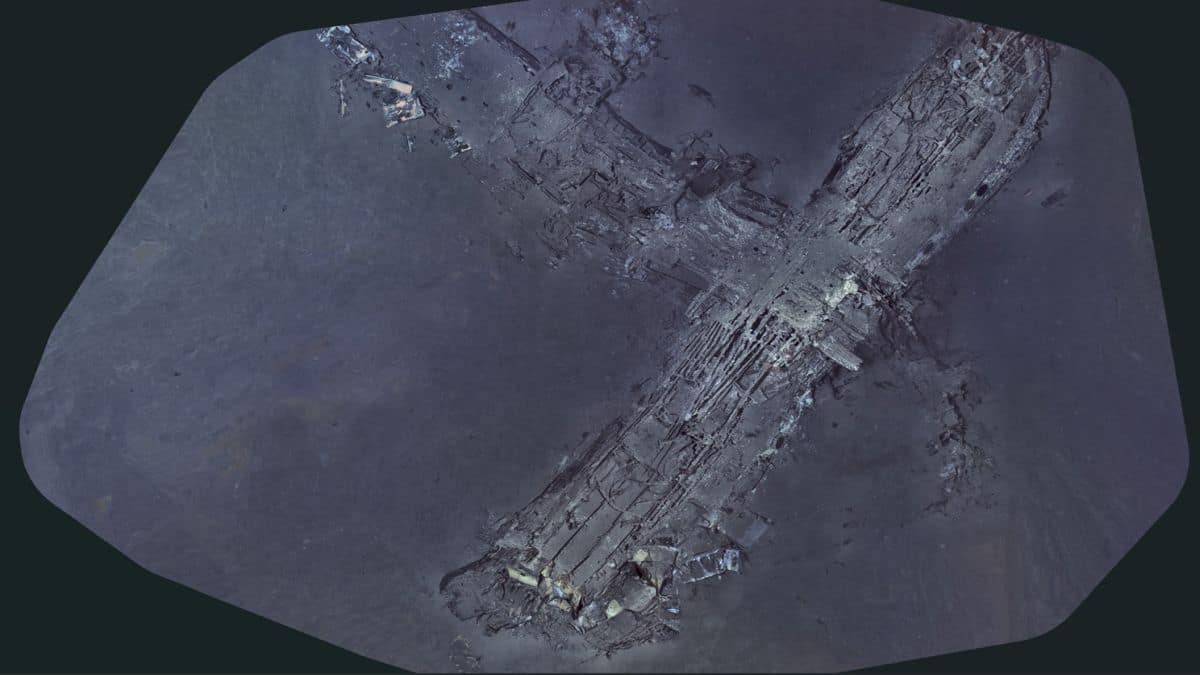
This startling discovery comes as a result of a quest spearheaded by Russ Matthews, an aviation and maritime historian who also serves as the president and co-founder of the nonprofit Air/Sea Heritage Foundation. When he first learned of the wreck, he was “astonished that such an important story had largely faded from public memory,” he said in a statement.
In 2019, he began his search for the long-missing plane. He scoured accident investigation reports and conducted underwater surveys off San Juan, including one in 2022 in partnership with the National Oceanic and Atmospheric Administration.
A few years later, Matthews met with Josh Gates, the host of the Discovery Channel’s Expedition Unknown, and they began to compile more information about the aircraft’s location. They also prepared a map estimating the location of the crash. However, the biggest key to locating the wreckage of the plane was found in records in Puerto Rico from a hearing that was held on the crash, and a map estimating the location of the crash that was done by US Air Force pilots who witnessed the crash because they just happened to be in the area on a training flight.
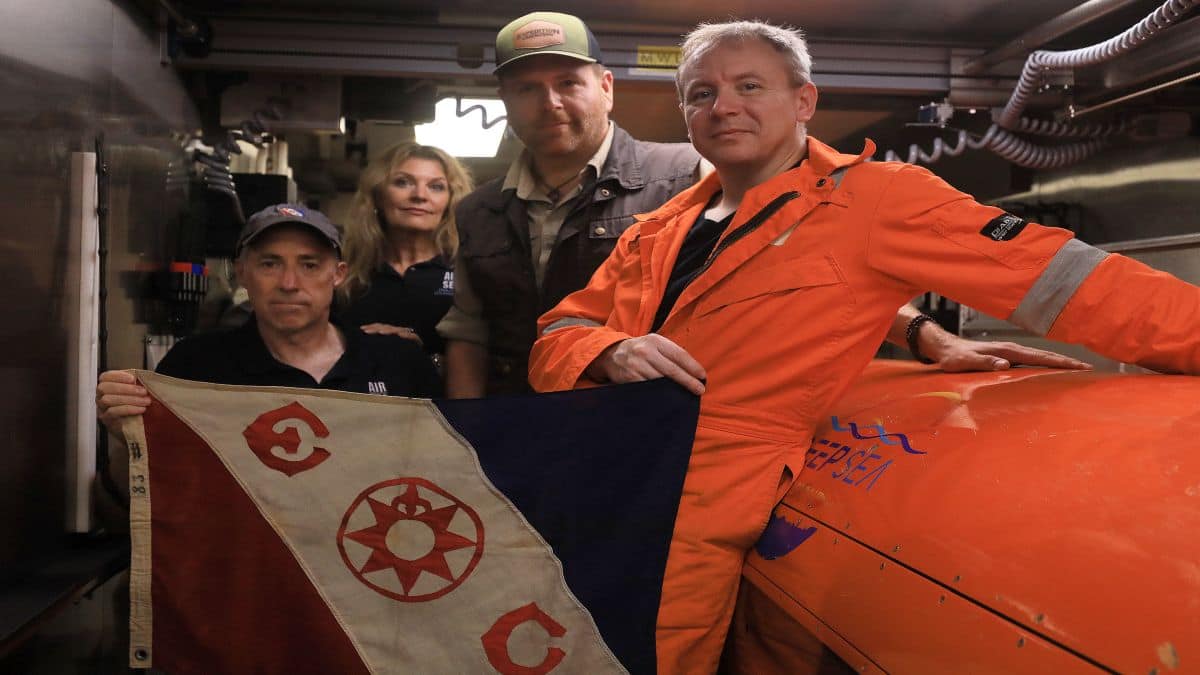
At this point, Matthews had begun talking to Tony Romeo, who is CEO of the undersea exploration firm Deep Sea Vision. The two discussed the possibility of trying to find this plane if one of his ships was ever in the area.
And in April, one just happened to be passing right by Puerto Rico between two other jobs while carrying an advanced underwater drone with the right sensors to be able to find it. “There we were, and everything kind of came together at the moment: good weather, the right team, and the right equipment and ship. So we took a shot at it,” Romeo was quoted as telling ABC News.
After 30 hours of high-resolution sonar scanning and 350,000 images, the explorers found the plane’s wreckage on the seabed. The white letters “PAA” against the Pan Am globe logo were clearly visible, as were the letters “VOR” from “Endeavor” — enough for conclusive identification.
“We are all stunned and elated by this discovery yet also humbled to remember what happened in that place so long ago,” said Russ Matthews, the president of the Air/Sea Heritage Foundation.
Even Tony Romeo was ecstatic at their find. “I was very elated,” said Romeo, for whom the connection to Pan Am had special meaning. “My father was a Pan Am pilot.”
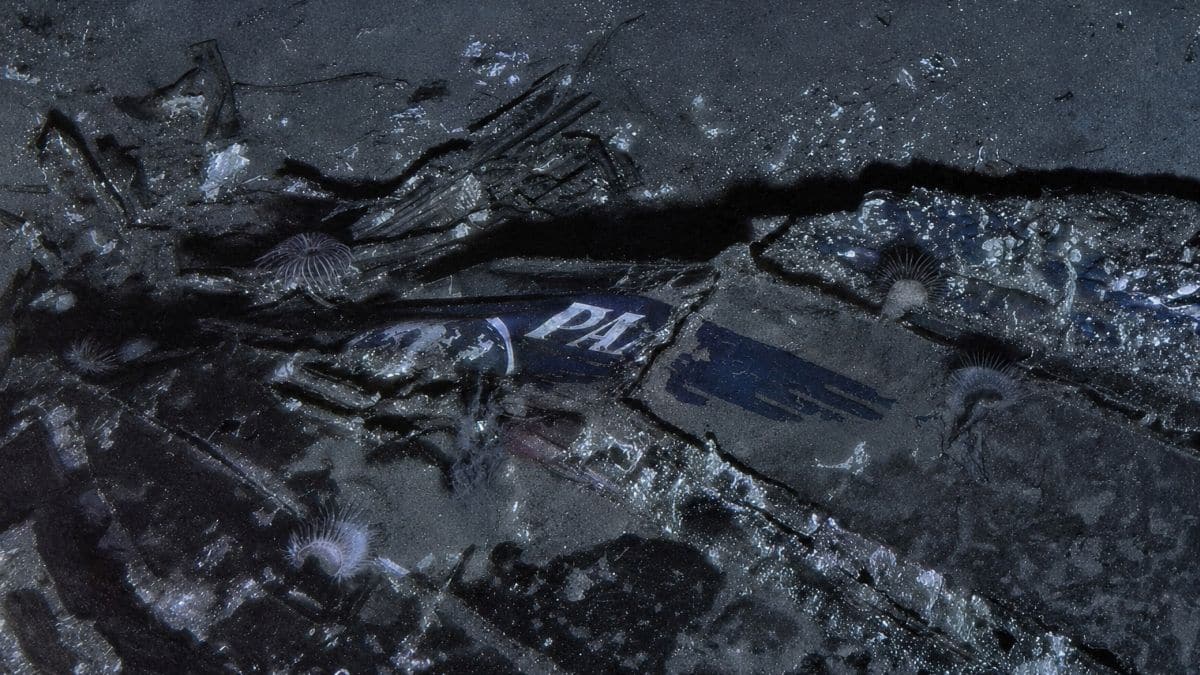
Interestingly, the explorers have no plans to recover the debris from the sea. The Air/Sea Heritage Foundation is now working with Puerto Rico’s government on legal protections and a memorial to honour the 52 victims.
New hope for families of MH370 victims
The discovery of the Pam Am wreck offers new hope for families who lost loved ones when Malaysia Airlines Flight MH370 disappeared 12 years ago, killing all 239 people on board.
The Boeing 777 carrying 239 people vanished from radar screens on March 8, 2014, while en route from Kuala Lumpur to Beijing in one of aviation’s greatest enduring mysteries.
After failed attempts to find the plane following the tragedy, the Malaysian authorities announced last December that a new search would begin. And for this effort, Ocean Infinity, an American marine robotics company, had been roped in.

Late in June, authorities said that they would be extending the search for the vanished plane for yet another year. At the time, Malaysian Transport Minister Anthony Loke said the extension would run until June 30, 2027. Additionally, the “no find, no fee” principle would remain, meaning Ocean Infinity would only be paid $70 million if the wreckage is located.
In the 12 years since the plane’s disappearance, several fragments of debris have been discovered on islands in the Indian Ocean, and according to the Malaysian authorities’ 495-page report into MH370’s disappearance published in July 2018, the aircraft likely crashed in the area.
However, the search hasn’t found anything more, with families still clinging on to hope that they will receive some information.
With inputs from agencies

Why has Bangladesh’s choice of India spokespersons raised eyebrows?
Who is Sandeep Lamba, the Delhi cop removed from protest site duty after slapping female protester?
Cruise missiles, drones and more... The deadly arsenal of the Houthis
Why India may not witness a medal rush at 2026 Commonwealth Games
Delhi Police asks personnel to wear uniform: What the law says on cops in plainclothes during protests