


Donald Trump 'arrested'? Vladimir Putin 'in jail'? How deepfakes are spreading misinformation online
Deepfake is a form of AI technology used to create manipulated and fake images, videos and audio that seem real, often with the intention to deceive or spread misinformation. This synthetic digital content is being used to target women and is adding to the spread of misinformation online

AI-generated images or deepfakes are capable of spreading misinformation on a large scale.They can also be used to commit crimes, influence events such as elections, harm someone’s reputation as well as undermine trust in democratic institutions and media.AI image generator tools such as Midjourney, DALL-E and others have made it easier for people to create synthetic digital content and it may not always be used for the purpose of just entertainment.[caption id="attachment_12347472" align="alignnone" width="640"]
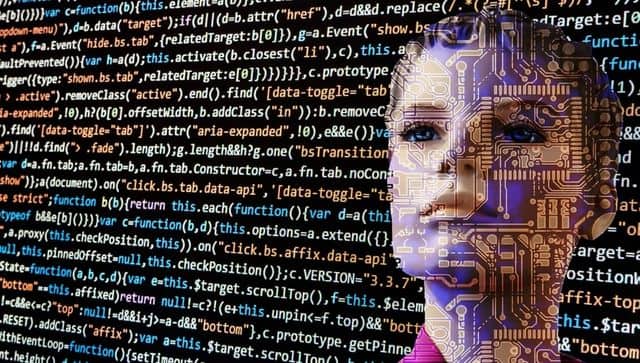
Deepfakes are being used to target women. Pixabay (Representational Image)[/caption]In 2019, AI firm Deeptrace found 15,000 deepfake videos online and the majority of them were pornographic.Danielle Citron, a professor of law at Boston University, told The Guardian at the time: “Deepfake technology is being weaponised against women.”“AI tools are already being used to put pictures of other people’s faces on the bodies of porn stars and put words in the mouths of politicians. GANs didn’t create this problem, but they’ll make it worse,” Martin Giles of MIT Technology Review wrote in an article in 2018.If the purpose of deepfake content is entertainment and even if the user clearly states so, it is not enough, says Shirin Anlen, media technologist at Witness, a New York-based human rights organisation that focuses on visual evidence.“Too often, the visuals are quickly reshared by others without that crucial context,” Allen said, as per AP.Deepfakes can also be deployed to create tensions between acrimonious nations or used by non-state actors to stir up chaos and conflict.Speaking to CNBC in 2019, John Villasenor, nonresident senior fellow of governance studies at the Center for Technology Innovation at Washington-based public policy organisation, warned about the dangers of deepfakes and how anyone with computer access can create such synthetic digital content.The technology “can be used to undermine the reputation of a political candidate by making the candidate appear to say or do things that never actually occurred.”“They are a powerful new tool for those who might want to (use) misinformation to influence an election,” Villasenor added.US Senator Mark R Warner, the chairman of the Senate Intelligence Committee, said: “Policymakers have been warning for years about the potential misuse of synthetic media to spread disinformation and more generally to sow confusion and discord,” reported The Washington Post.He said developers “should already be on notice: if your product directly enables harms that are reasonably foreseeable, you can be held potentially liable.”How to spot deepfake content?Experts say with deepfake technology becoming increasingly accessible and sophisticated, public awareness and education are required to combat such synthetic content intended to disseminate disinformation, reported AP. Poor-quality deepfakes are easy to spot – the hands may be weird or the person may have disheveled hair or the audio may not match the individual.“Presently, there are slight visual aspects that are off if you look closer, anything from the ears or eyes not matching to fuzzy borders of the face or too smooth skin to lighting and shadows,” Peter Singer, cybersecurity and defense-focused strategist and senior fellow at New America think tank, told CNBC.However, as technology becomes more sophisticated, deepfakes are becoming harder to differentiate from the real deal.Many tech companies are developing tools to identify deepfakes.Intel has a system called FakeCatcher that “identifies deepfakes with high levels of accuracy in real-time”. Last November, its researchers said the deepfake detection platform had 96 per cent accuracy.Meta has banned users from posting “highly manipulated” videos but allows such content if it is parody or satire. Twitter also bans “synthetic, manipulated, or out-of-context media” that may deceive or cause harm.What users can do on their part is be more aware while sharing content and pause and think if it is “too good to be true”.With inputs from agenciesRead all the Latest News, Trending News, Cricket News, Bollywood News,India News and Entertainment News here. Follow us on Facebook, Twitter and Instagram.

Military drones & police check-ups: How Sri Lanka is fighting against worst dengue outbreak in a decade
How Facebook job ad lured 2 Karnataka men into Myanmar cyber scam camp
Why is India seeing 95% cloud cover despite a Super El Niño?
What is CJP’s fourth demand to the government as protests in Delhi intensify?
The new geography of war: Why the Houthis can no longer be ignored