


Did Jeffrey Epstein get artefacts from Mecca for his island 'mosque'?
New reports reveal Jeffrey Epstein may have sourced sacred Islamic artefacts from Mecca for a structure he called a ‘mosque’ on his private island in the Caribbean. Let's take a closer look

Did Jeffrey Epstein get artefacts from Mecca for his ‘mosque’?
According to reports, the late convicted sex offender used his extensive contacts in West Asia to source tapestries from the holiest shrine in Islam.
Though Epstein referred to the structure on his private island in the Caribbean as a ‘mosque’, it was never used as a place of worship.
The revelations come after the US Justice Department in January released millions of pages of records about how Epstein wanted to expand his network and art collection. But what do we know? Did Epstein source artefacts from Mecca for his island ‘mosque’?
Let’s take a closer look.
How Epstein procured artefacts
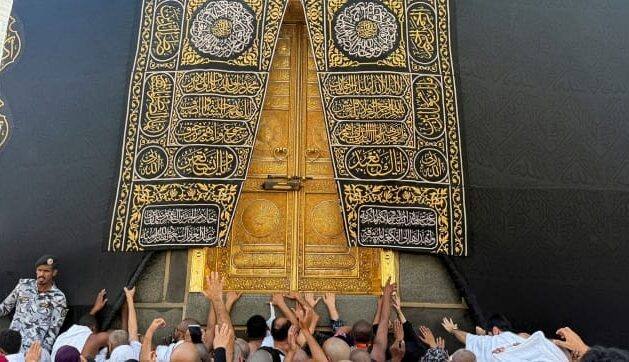
According to a report in The New York Times, Epstein used his contacts in West Asia, including with Saudi Arabia, to get his hands on rare Islamic artefacts for his ‘mosque’ in Little St James. Epstein got tapestries embellished with Quranic verses in gold, known as the Kiswa, from the Kaaba in Mecca.
 More from Explainers
As per India Today, the Kiswa is of great religious significance. A new one is produced by hundreds of artisans every year. It comprises 1,500 pounds of silk and 250 pounds of gold and silver thread. It is passed on to institutions or dignitaries after it is replaced.
Epstein also got handcrafted tiles from a mosque in Uzbekistan and a golden metal dome designed in the manner of architecture from ancient Syria. According to the report, Epstein was "obsessed" with the blue-and-white-striped building with a golden dome on his island. Though Epstein, a secular Jew, called it a ‘mosque’, it was previously called a music room, a pavilion, a chapel and an occult temple.
Epstein had long been entranced by Islamic design. He told Vanity Fair in 2003 that he was the owner of “the largest Persian rug you’ll ever see in a private home — so big, it must have come from a mosque.” As per India Today, Epstein’s plans for the ‘mosque’ began after he pleaded guilty to soliciting prostitution. At the time, Epstein was in a Palm Beach County jail. Prior to his release in 2009, Epstein commissioned architects to design a Turkish bathhouse surrounded by Islamic-style gardens.
According to India Today, Romanian artist Ion Nicola, who worked on the project, said Epstein constantly called the building a mosque. He even apparently brought up replacing Arabic inscriptions of “Allah” with his own initials. "Remember we saw the Arabic writing in black and white, instead of Allah, I thought j's and e's," Epstein wrote.
Epstein in 2013 sent Nicola a picture of the Yalbugah Hammam, a 15th-century bathhouse in Aleppo, featuring a golden dome, recessed arch and striped masonry. He asked her to design plans that would bear a resemblance to it.
Links to Saudi Arabia and West Asia
As per NDTV, Epstein in 2010 developed a relationship with Norwegian diplomat Terje Rod-Larsen. It was Rod-Larsen who introduced Epstein to Raafat Al-Sabbagh, a consultant to the Saudi royal court, along with his associate Aziza Al Ahmadi. Epstein sought an audience with then Deputy Crown Prince Mohammed bin Salman and attempted to portray himself as a financial adviser to take state oil giant Saudi Aramco public. Epstein met Salman, Al-Sabbagh, and Al Ahmadi in New York. He pitched a number of ‘radical ideas’, including a currency for Muslims to be called "the shariah".
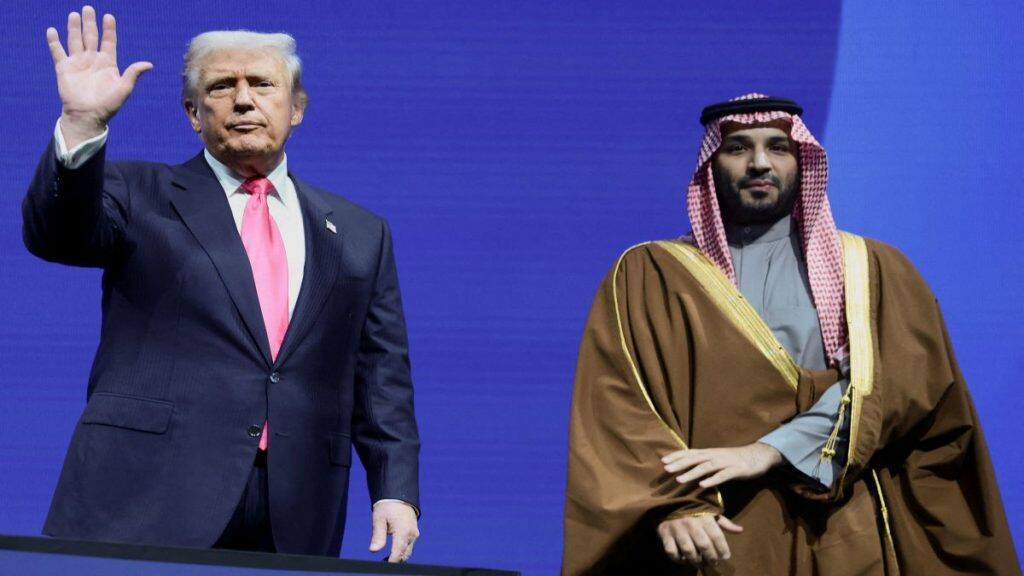
According to The New York Times report, it was Al Ahmadi who was involved in shipping the tapestries to Epstein.
“The black piece was touched by minimum 10 million Muslims of different denominations, Sunni, Shia and others… They walk around the Kaaba seven rounds, then everyone tries as much as they can to touch it, and they keep their prayers, wishes, tears and hopes on this piece. Hoping after that all their prayers are accepted,” Ahmadi wrote to Epstein in an email.
Epstein’s island was damaged by Hurricane Maria in 2017. Meanwhile, MBS became crown prince and sought to distance himself from Epstein. Epstein wrote to Rod-Larsen, "The kingdom needs lots of expensive help now as they did not follow the Jew directions”.
Epstein files and renewed scrutiny
Epstein, who pleaded guilty in 2008 to two Florida felonies, including procurement of a minor for prostitution, was facing federal charges of sex trafficking minors in 2019 when he died in jail in what was ruled a suicide.
The Trump administration, under pressure from the president's political base, ordered the US Justice Department to release files tied to criminal probes of Epstein in compliance with a transparency law passed by Congress.
A Reuters/Ipsos poll in January showed only 21 per cent of respondents approved of Trump's handling of the Epstein files. A separate Reuters/Ipsos poll in February showed three-quarters of Americans — including two-thirds of Republicans — believe the federal government is hiding information about the alleged clients of Epstein.
FAQs
1. Did Jeffrey Epstein really obtain artefacts from Mecca?
Reports suggest that Epstein acquired Kiswa tapestries from the Kaaba through contacts in West Asia.
2. What is the Kiswa and why is it significant?
The Kiswa is the cloth covering the Kaaba in Mecca, embroidered with Quranic verses. It is highly sacred and replaced annually, with old pieces given to select institutions or individuals.
3. Was Epstein’s ‘mosque’ used for religious purposes?
No. Despite being referred to as a ‘mosque’, the structure on Epstein’s island was reportedly never used as a place of worship and had multiple other intended uses.
With inputs from agencies

Military drones & police check-ups: How Sri Lanka is fighting against worst dengue outbreak in a decade
How Facebook job ad lured 2 Karnataka men into Myanmar cyber scam camp
Why is India seeing 95% cloud cover despite a Super El Niño?
What is CJP’s fourth demand to the government as protests in Delhi intensify?
The new geography of war: Why the Houthis can no longer be ignored