


India summons US envoy: The theatre of summoning a diplomat as a form of diplomatic protest, explained
Recently, there’s been a flurry of diplomatic activity. Bangladesh summoned India’s envoy to protest the treatment meted out to one of its senior leaders. The US Chargé d’Affaires was also called in by India’s External Affairs Ministry following the death of its three seafarers near the Strait of Hormuz. But what does it entail to summon a diplomat? And when did this process begin?

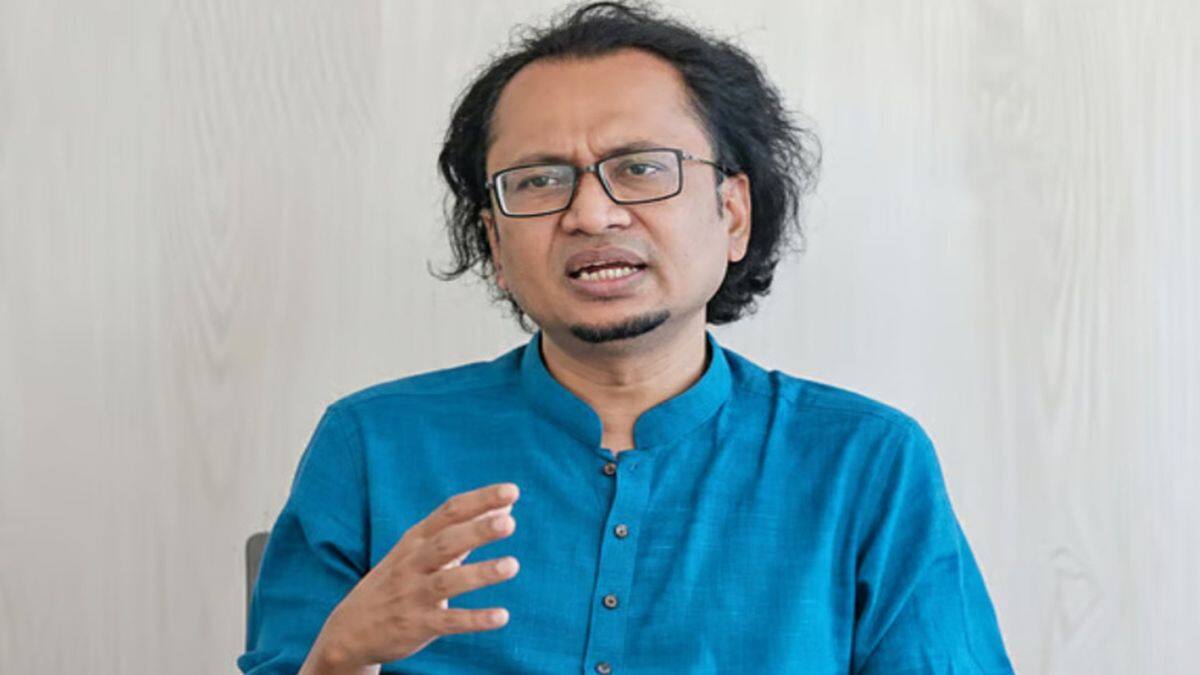
On Monday (June 15), India’s Deputy High Commissioner in Dhaka, Pawan Badhe, was summoned to Bangladesh’s foreign ministry after the neighbour expressed unhappiness over the treatment meted out to its Prime Minister’s Policy and Strategy Adviser Zahed Ur Rahman at Delhi’s Indira Gandhi International Airport.
Rahman was reportedly held up for several hours before the misunderstanding was cleared. He subsequently cancelled his engagements and returned to Dhaka. The following day, Bangladesh summoned the Indian diplomat.
Last week, it was Jason Meeks, the US Chargé d’Affaires, who was called in on two separate occasions by the External Affairs Ministry. Meeks was summoned to convey New Delhi’s unhappiness over the targeting of three oil tankers manned by Indian seafarers off the coast of Oman, in which three of them drowned before they could be rescued.
 More from Explainers
In diplomatic parlance, a summons is the formal calling in of an ambassador, chargé d’affaires, or senior diplomat by the host country’s foreign ministry to convey displeasure over an action, statement, or policy of the diplomat’s home government. It is one of the oldest and most widely used instruments of diplomatic protest. During such meetings, grievances are formally conveyed, diplomatic notes may be handed over, and the host country’s position is placed on record. The envoy, in turn, explains his government’s position and reports the protest back to his capital.
What happens in these situations?
The foreign ministry calls in the envoy. The government’s grievance is formally conveyed. A diplomatic note or demarche may be handed over. The envoy responds and seeks clarification. The diplomat reports back to their capital.
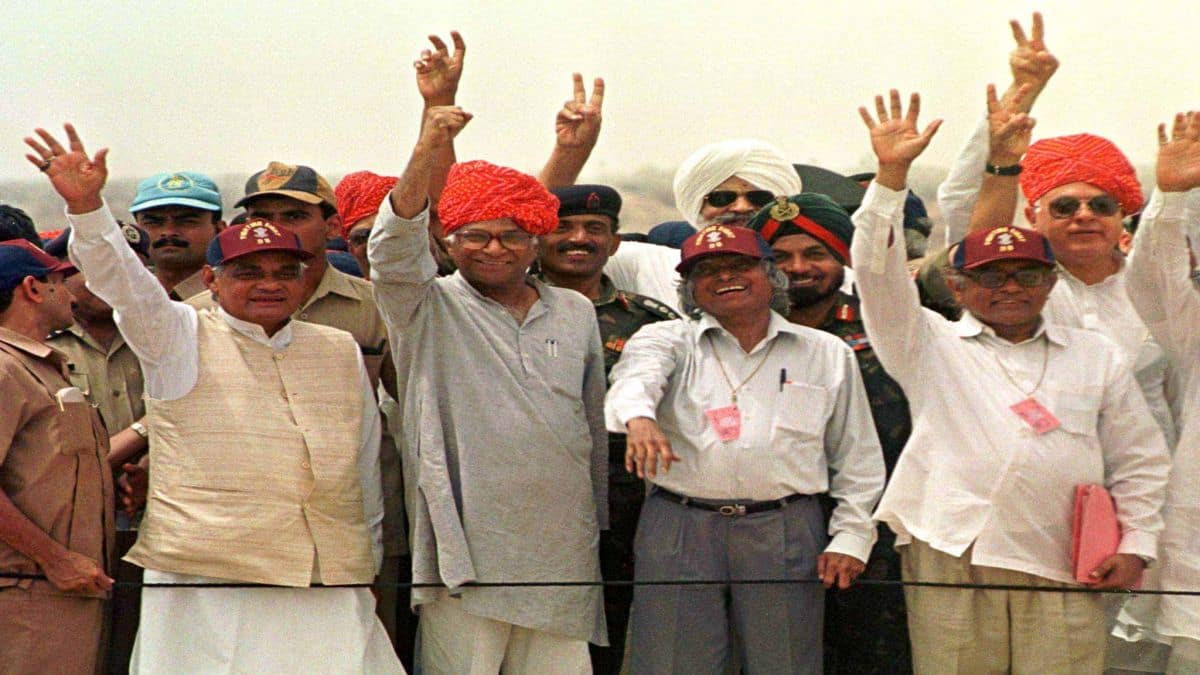
Diplomats routinely face such summons. After India’s nuclear tests in 1998, when nearly all major countries, especially Western democracies, were outraged by the Vajpayee government’s actions, KP Fabian, who was then India’s ambassador to Italy, was summoned to the foreign office in Rome.
Fabian recalled that the chef de cabinet was cold as he protested India’s Pokhran tests, pointing out that this was unexpected from a responsible nation, at a time when the world was combating nuclear proliferation. Ambassador Fabian listened patiently and gave his counter, saying India faced a nuclear threat, and unlike Italy, which had the protection of the US nuclear umbrella, Delhi did not.
He also reminded Italy that his government was taking note of every country’s reaction, and pointed out how Italy’s neighbour, France, was dealing with it. Unlike the rest of Europe, Jacques Chirac, the French president, was sympathetic and understood India’s compulsions.
When did the practice of summons begin?
The practice of maintaining resident ambassadors originated in the Italian city-states during the Renaissance. Fiercely competitive powers such as Milan, Venice, and Florence recognised that permanent representatives in foreign capitals were essential for preserving the balance of power and communicating rapidly during crises. The old method of sending out messengers in times of crisis would no longer serve their interests. Once resident diplomats became established, rulers acquired the ability to call them in to convey complaints or seek explanations, an early precursor to the modern diplomatic summons.
The old method of sending out messengers in times of crisis would no longer serve their interests. Once this realisation dawned on the importance of having permanent envoys in foreign capitals, officials had taken up residence there. They could be summoned by the host country to air grievances that could be quickly relayed to the court.
Modern diplomacy traces its origins to these Italian city-states, where resident ambassadors gradually became indispensable intermediaries between rival courts. Diplomacy became more structured, and as the world grew more complex, the process of protesting the behaviour of another country, by summoning the resident representative, was put in place. Ambassadors became responsible for delivering official statements of displeasure, like issuing demarches on behalf of home governments.
What are the origins of modern-day diplomacy?
Through the 17th, 18th, and 19th centuries, diplomatic practices and procedures governing protests and representations became increasingly codified. The process was ultimately codified under the Vienna Convention on Diplomatic Relations, which entered into force in 1964 and continues to govern diplomatic conduct worldwide.
Today, summoning an ambassador remains among the mildest yet most visible forms of diplomatic protest. It allows governments to register displeasure without escalating matters to punitive measures such as sanctions or expulsions. In diplomacy, where symbols and signals matter as much as actions, a summons is often the first formal indication that bilateral ties have run into turbulence.
Tags

Who is Sandeep Lamba, the Delhi cop removed from protest site duty after slapping female protester?
Explorers discover wreckage of plane 72 years later. Will this help in finding MH370?
Cruise missiles, drones and more... The deadly arsenal of the Houthis
Why India may not witness a medal rush at 2026 Commonwealth Games
Delhi Police asks personnel to wear uniform: What the law says on cops in plainclothes during protests