


'Deadlier than COVID': How dangerous is Disease X?
According to one UK expert, Disease X, the new pandemic, is more dangerous than COVID-19 and could take 50 million lives. She added that it might already be on its way

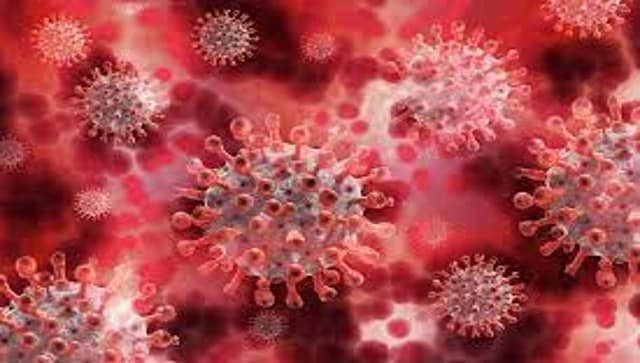
The WHO first used the phrase "Disease X" in 2018, a year before the COVID-19 pandemic broke out. Pixabay[/caption]While COVID-19 and its variations have an impact on recurring and well-known health concerns, medical professionals have begun preparing for a potential new pandemic -- Disease X. They have also issued a warning that this new virus has the potential to be just as harmful as the Spanish Flu.The debateHowever, top scientists and experts don't agree on this. They believe, “Disease X is just an imaginary or hypothetical illness.”The disease X is "an imaginary scenario" in which a new infection causes a new pandemic that is more severe than past ones, according to Dr Anurag Agrawal, Dean, BioSciences and Health Research, Ashoka University. “There is no such pathogen immediately and the exercise is for conceptualising a suitable action plan against future threats,” News18 quoted him as saying.On the other hand, Dr NK Arora, head of the National Technical Advisory Group on Immunisation (NTAGI) -- an apex panel which makes critical decisions on the use and deployment of COVID-19 vaccines in India, compares the unknown infection to a thief or intruder that the normal person imagines breaking into their home, prompting them to set up security cameras and go ready with various weapons.Arora explained, “That thief may never enter your house but in preparation, you install CCTV cameras, lock the house, buy a dog, and keep arms ready and much more. Disease X is similar to that imaginary thief which may not come in our lifetime, but preparations are required right now. The community of scientists is getting ready, imagining that potential intruder.”Dr Raman Gangakhedkar, former Indian Council of Medical Research (ICMR) epidemiology and communicable diseases chief, told News18 that there is a need to reduce the anxiety or tension caused by Disease X and that it is more important than ever to be aware of potential pathogens. “The risk of transmission from zoonotic diseases is increasing dramatically due to climate change. Forests are being affected due to which the transmission from animals to humans will increase,” he said, explaining that bats are known as reservoirs for about 40 viruses of which only six are known so far, including coronavirus.Gangakhedkar oversaw the nation's response to the Nipah virus epidemics in Kerala and Covid-19. He suggested that India step up its preparations for the "One Health" objective, which heavily relies on animal observation."A One Health approach that aims to bridge institutional gaps, build and stratify priority risk and alert pathogens, and emphasise mitigation strategies for emerging and re-emerging pathogens - potential disease X should be the need of the hour to prevent these global and global catastrophes," Dr Neha Rastogi, Consultant, infectious disease, Fortis Memorial Research Institute, Gurugram, told Hindustan Times.Dr Vishal Rao, a member of the COVID-19 Task Force of Karnataka's Genomic Surveillance Committee, gave a thorough road map of how India is putting together its defences against Disease X. “The team at the Indian Institute of Science (IISc), in collaboration with Bangalore BioInnovation Centre, Department of Biotechnology, Government of Karnataka, and state department of health under the M-Path programme, has identified 32 potential pathogens,” he said.The team will work together with other state departments, including urban development, rural and panchayat raj, and other organisations to monitor these infections at the district level and improve surveillance. He added, "The team is developing a multiplexed serology platform, called M-PATHS, designed to identify antibodies against human pathogens that are specific to India. This platform will be developed over the next 24 months."Also read: Explained: How the World Health Organisation aims to fight pandemics in the futureWHO’s strategyAccording to India.com, WHO collaborates closely with a group of experts known as the "R&D Blueprint Scientific Advisory Group." They claim that Disease X may lead to an outbreak in the future and that it was classified as an "unknowable pathogen" in February 2018.The WHO is formulating a global response plan for Disease X, as per TheHealthSite.com.Early virus discovery, containment, and the development of vaccines and treatments are all part of the plan. The WHO is also working to raise awareness of illness X in the general public and to convince countries to support R&D for infectious diseases.PreventionDr Rastogi told Hindustan Times, "Containment and mitigation strategies involve development and implementation of uniform international guidelines to control bioterrorism. Immediate and appropriate travel restrictions including strict airport screening required to be implemented to contain the spread of pathogen X across borders. It also necessitates a collaborative approach of global leaders, scientists, epidemiologists, and infectious disease experts to investigate, control, and eliminate disease X. Widespread and mass testing, surveillance and aggressive contact tracing are potentially effective tools to timely contain outbreak-like situations."She added that stronger efforts to hasten access and quick availability of immediate medical measures, including test kits, immunisations, and first aid are needed before and during the pandemic.In order to lessen and counteract the serious negative effects of disease X, ongoing continuity research on preventative aspects - development and process of vaccinations - needs to be given more attention.With inputs from agencies

Military drones & police check-ups: How Sri Lanka is fighting against worst dengue outbreak in a decade
How Facebook job ad lured 2 Karnataka men into Myanmar cyber scam camp
Why is India seeing 95% cloud cover despite a Super El Niño?
What is CJP’s fourth demand to the government as protests in Delhi intensify?
The new geography of war: Why the Houthis can no longer be ignored