


COP27: What is the Mangrove Alliance for Climate that India has joined?
At the United Nations climate summit, COP27, India is making the right moves. It was among the first nations to join the Mangrove Alliance for Climate, which aims to raise awareness about mangroves as a ‘nature-based’ solution to climate change

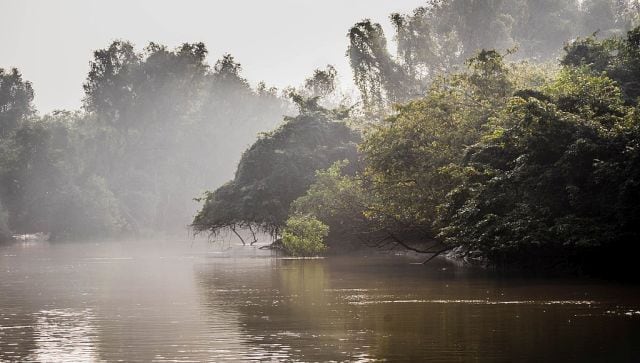
Odisha saw the highest increase in mangrove cover from 2019 to 2021. Image courtesy: Puru150/Wikimedia Commons[/caption]Why are mangroves important?Mangroves are one of the most productive ecosystems in the world, said Yadav. They are the economic foundations of many tropical coastal regions.“To sustain the blue economy, it is imperative to ensure the sustainability of coastal habitats, particularly mangroves for tropical nations, at the local, regional, and international levels,” he added.He further said that mangroves are among the most carbon-rich forests in the tropics. They account for three per cent of carbon sequestered by the world’s tropical forests.Carbon dioxide capturing and sequestration is a system of man-made processes to reduce carbon dioxide emissions from utilities which use coal and gas. Mangroves can do this as natural carbon capture and sequestration agents for mankind, according to a research paper titled “The Role of Mangroves Forests in Decarbonizing the Atmosphere”.Mangroves are powerhouses when it comes to carbon storage. Studies indicate that they can sequester four times more carbon than rainforests can. Most of this carbon is stored in the soil beneath mangrove trees, according to a report in Mongabay.A 2018 study, published in Environmental Research Letters, found that mangrove soil held around 6.4 billion metric tons of carbon in 2000. This is dramatically higher than previous estimates that pegged the carbon content of mangroves (both soil and biomass) at around 4.19 billion metric tons.Mangroves provide breeding and nursery grounds for several species of flora and fauna. They also act as natural barriers against storm surge, coastal flooding and rise in sea levels.According to a 2022 report by Global Mangrove Alliance, between 2010 and 2020, around 600 sq km of mangroves were lost of which more than 62 per cent was due to direct human impacts.Also read: COP27 to deal with loss and damage: What does this mean for poor nations? What does compensation look like?How does India protect its mangroves?The global mangrove extent in 2020 was 147,359 sq km. South Asia comprises 6.4 per cent of this cover and nearly half of that falls in India. It is home to one of the largest remaining areas of mangroves in the world, the Sundarbans.According to the Forest Survey report 2021 released in January, mangroves cover in India is 4,992 square kilometres, which is 0.15 per cent of the country’s total geographical area. Since 2019, the cover has risen by 17 sq km, reports Business Standard.The mangrove forest area in Odisha has increased by eight sq km from 2019 to 2021. The state’s growth rate is the highest in the country. Odisha was followed by Maharashtra (four sq km) and Karnataka (three sq km).In India, mangrove ecosystems are legally protected by the Coastal Regulation Zone Notification, 2011 under the Environment Protection Act, 1986.With inputs from agencies Read all the Latest News, Trending News, Cricket News, Bollywood News,India News and Entertainment News here. Follow us on Facebook, Twitter and Instagram.

Military drones & police check-ups: How Sri Lanka is fighting against worst dengue outbreak in a decade
How Facebook job ad lured 2 Karnataka men into Myanmar cyber scam camp
Why is India seeing 95% cloud cover despite a Super El Niño?
What is CJP’s fourth demand to the government as protests in Delhi intensify?
The new geography of war: Why the Houthis can no longer be ignored