


‘Clicks, cash and cruelty’: How primates are illegally being sold on social media in the US
A new report has raised concern that wildlife trafficking of primates is becoming more prevalent on social media in the US and is putting the health and welfare of animals at risk. Researchers found over 1,600 animals for sale on Facebook, Instagram, TikTok and YouTube

Are primates in the United States being sold illegally over social media?
A new report has raised concern that wildlife trafficking is becoming more prevalent on social media and is putting the health and welfare of primates at risk.
The report, entitled ‘Primates for Purchase: The Surge in Sales on Social Media in the US’, was released earlier this week. It was jointly produced by the Association of Zoos and Aquariums (AZA), the International Fund for Animal Welfare (IFAW) and the World Wildlife Fund (WWF).
“All you need is a phone and a social media account to buy a primate in the US,” said Danielle Kessler, US Country Director of IFAW, in a press release. “With just the click of a button, well-meaning animal lovers can end up in a criminal pipeline where animals pay the ultimate price. This is an industry that thrives on clicks, cash and cruelty.”
 More from Explainers
But what do we know about the illegal sale of primates on social media? What does the report say?
Let’s take a closer look.
Primate sales widespread on social media
First, it must be noted that the study was limited to the US. Though the US does not ban keeping primates as pets under federal law, state laws vary.
According to a report in The Guardian, researchers tracked social media activity in the US for a little over a month in the middle of 2025. They found over 1,600 primates for sale on social media sites such as Facebook, Instagram, TikTok and platforms like YouTube.
The study found 1,131 online posts from 122 social media users that put up 1,614 live primates for sale. A dozen primate taxa were identified, including macaques, capuchins, marmosets, spider monkeys, tamarins, squirrel monkeys, vervets, lemurs, bush babies, chimpanzees, howler monkeys and owl monkeys.
Macaques comprised most of the primates being sold, with 839 listings identified. These were followed by marmosets (293) and capuchins (275). The animals being advertised for sale ranged from $250 (Rs. 24,000) to $6,500 (Rs. 6.26 lakh), factoring in the species, the age and how rare they were.
As per The Print, listings were often found using phrases such as “monkey rehoming”, ‘rescue’ or “adoption”, despite social media platforms restricting the sale of wildlife. Of the species found on the platform, chimpanzees have been placed on the International Union for Conservation of Nature Red List, while cotton-headed tamarins have been classified as ‘critically endangered’.
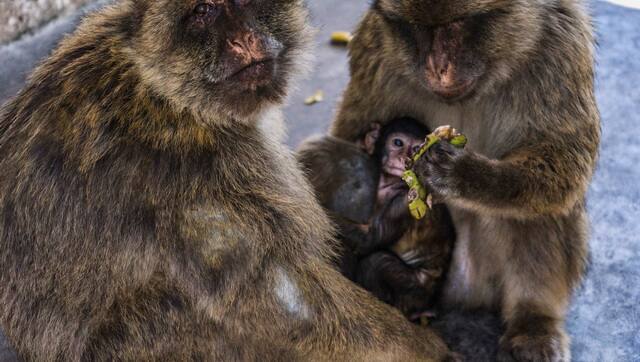
Researchers noted that the platforms only sporadically suspended users advertising primates for sale. According to The Print, this includes one TikTok user who was briefly suspended. The user, after the account was restored, put up a baby golden lion tamarin for sale. This species has been categorised as endangered under the Endangered Species Act (ESA).
'Suffer lifelong trauma or die'
The report says many primates are separated from their mothers as infants. This is because buyers think younger animals will bond more easily with humans. It also said that many animals go through severe trauma or even die before they ever get to the buyers.
“People are falsely led to believe that infant primates will bond more readily with humans. Sadly, many of these primates suffer lifelong trauma or die before they ever reach the buyer due to the harsh and dangerous smuggling conditions,” the researchers noted in the report.
Around 75 per cent of the world’s primate species are under threat of extinction. The report noted that wildlife trafficking is a $23 billion (Rs. 2.22 lakh crore approx) global industry. The US is one of the biggest illegal markets, and many animals are smuggled into the country via the border with Mexico.
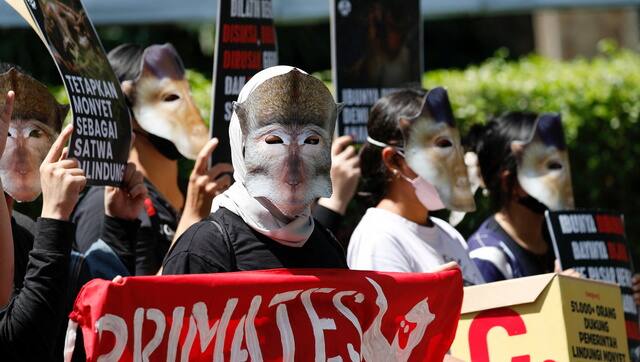
“The ease with which primates are being bought and sold online should be a wake-up call,” Sara Walker, senior advisor on wildlife trafficking at AZA, was quoted as saying in the press release. “These are complex, long-lived wild animals—not pets—and this growing digital marketplace is fuelling demand, causing animals to suffer. This also increases pressure on zoos and sanctuaries that must care for confiscated wildlife ‒ often for the rest of their lives, since most confiscated primates cannot be returned to the wild.”
According to USA Today, the report has urged lawmakers to pass the federal Captive Primate Safety Act. Researchers have also called on social media companies to firm up their content policies and improve detection and reporting tools. They have also called on authorities to increase funding and specialised personnel for state and federal enforcement agencies to combat the illegal trade online.
“Wild primates are just the latest wild animal put at risk by a combination of ignorant desire and calculated greed,” Ed Newcomer, a former US Fish and Wildlife Service agent, was quoted as saying by the outlet. “This report highlights the growing problem of primate trafficking in the United States. Now is the time for action to prevent the demise of iconic wild species and to keep the public safe from the diseases and injuries primates can cause.”
FAQs
1. How widespread is the illegal sale of primates on social media in US?
The study found over 1,600 primates listed for sale across platforms like Facebook, Instagram and TikTok within just over a month, indicating a significant and growing problem.
2. Why are primates being sold online?
Sellers exploit demand from buyers who believe young primates will bond easily with humans, often marketing them under terms like “rehoming” or “adoption”.
3. What risks does this trade pose?
The trade leads to severe animal suffering, high mortality rates during trafficking, and broader risks such as biodiversity loss and potential disease transmission to humans.
With inputs from agencies

Military drones & police check-ups: How Sri Lanka is fighting against worst dengue outbreak in a decade
How Facebook job ad lured 2 Karnataka men into Myanmar cyber scam camp
Why is India seeing 95% cloud cover despite a Super El Niño?
What is CJP’s fourth demand to the government as protests in Delhi intensify?
The new geography of war: Why the Houthis can no longer be ignored