


Cheetahs in Madhya Pradesh's Kuno isn't India's first attempt at reintroduction
Several zoos in India have received African cheetahs from facilities abroad but efforts to get them to breed in captivity were unsuccessful due to change in their diet, environment, and other constraints

Ahmedabad: The reintroduction of eight cheetahs in the wild in India last week after they were translocated from Namibia was preceded by attempts by several zoos in the country over the years to get these big cats brought from abroad to breed in captivity, officials said on Monday.
According to a note issued by Nirav Makwana, assistant director of Sakkarbaug Zoo in Junagadh district, several zoos in India have received African cheetahs from facilities abroad but efforts to get them to breed in captivity were unsuccessful due to change in their diet, environment, and other constraints in breeding.
 More from Explainers
On 17 September, the world's most ambitious translocation project to re-introduce cheetahs in India hit the ground running after Prime Minister Narendra Modi released eight of the felines in the Kuno National Park in Madhya Pradesh. The wild cats were airlifted from Namibia in southern Africa.
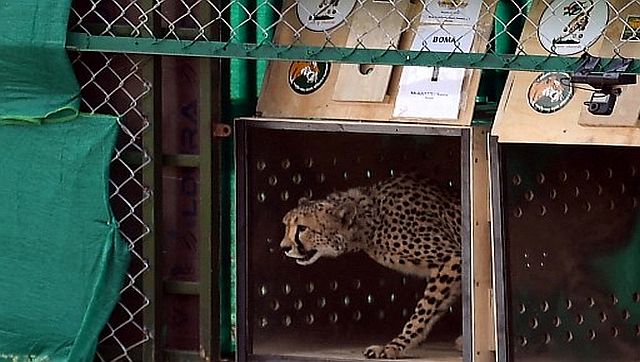
A recent study by the global wildlife regulator affiliated to the United Nations quoted in media reports has found that cheetahs are "notoriously difficult to breed in captivity".
The study, which was based on long-time research on cheetah breeding in captive facilities in Africa, was commissioned by the Convention on International Trade in Endangered Species of Wildlife Fauna and Flora (CITES).
The comprehensive study was conducted by the cat specialist group of the International Union for Conservation of Nature (IUCN) with two other organisations.
"Cheetahs are notoriously difficult to breed in captivity, for example, North American cheetahs have excellent genetic variation as well as housing and veterinary care, yet only 23 out of 111 females have had offspring," the study noted.
According to Gujarat state forest department officials, two pairs of cheetahs were brought from the Singapore Zoo in 2009 in exchange for an Asiatic lion and two lionesses but they did not mate.
The cheetahs were accommodated at the Sakkarbaug Zoo, the country's oldest such facility, in Junagadh on 24 March 2009, they said.
The pairs failed to mate till 2012 and a proposal for an assisted reproduction effort under an expert embryologist from Scotland could not be implemented due to the age of the felines, the note by Makwana said.
"The two pairs of cheetahs were brought from Singapore Zoo under an exchange programme in March 2009. In fact, because of good management practice and veterinary care (in Sakkarbaug Zoo), the pairs lived till the age of 12 in captivity."
The Singapore Zoo had in 2006 put a proposal to get Asiatic lions from Sakkarbaug Zoo in exchange for African cheetahs, and this was approved by the Central Zoo Authority of India in August that year, the note said.
"The two pairs arrived in the country in March 2009, after a gap of 63 years, in exchange for a lion and two lionesses. The two pairs died of natural causes after attaining the age of 12. The last one died in 2017," Aradhana Sahu, Chief Conservator of Forests (Wildlife), Junagadh, said.
The official announcement of the Asiatic cheetahs going extinct from India was made in 1952, the note said, adding this species is now only seen in Iran.
Read all the Latest News, Trending News, Cricket News, Bollywood News,
India News and Entertainment News here. Follow us on Facebook, Twitter and Instagram.

Military drones & police check-ups: How Sri Lanka is fighting against worst dengue outbreak in a decade
How Facebook job ad lured 2 Karnataka men into Myanmar cyber scam camp
Why is India seeing 95% cloud cover despite a Super El Niño?
What is CJP’s fourth demand to the government as protests in Delhi intensify?
The new geography of war: Why the Houthis can no longer be ignored