


Centre releases draft CAFE III norms: What India’s new emission rules could mean for consumers
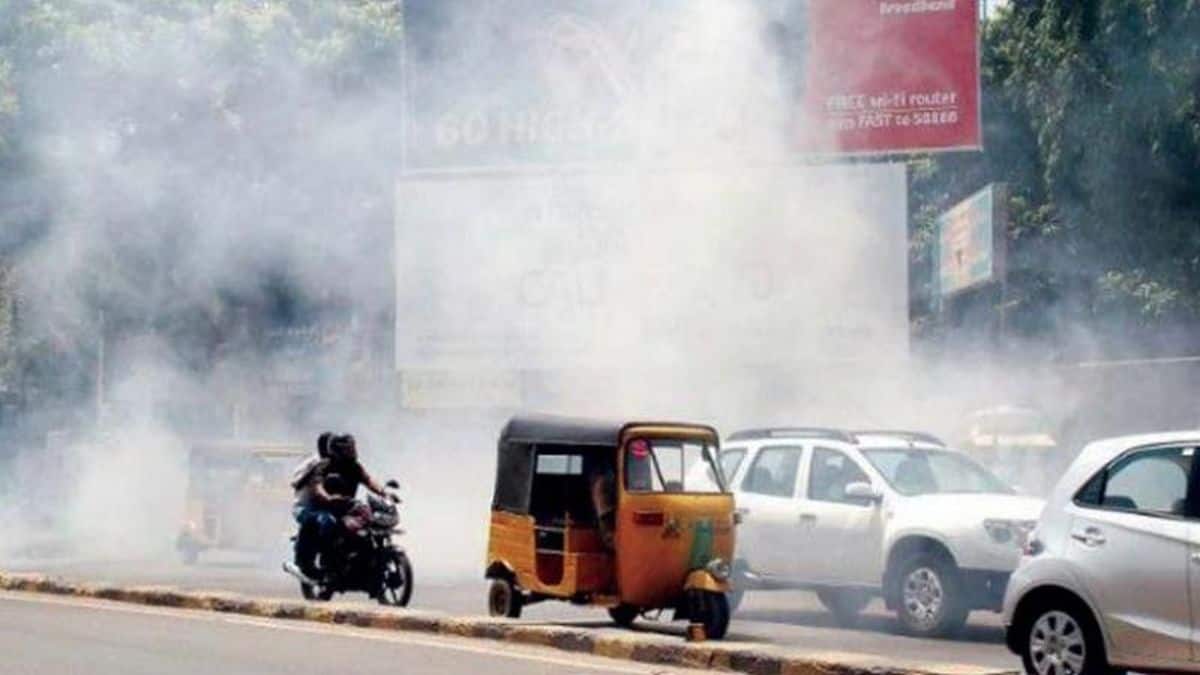
The Centre has released draft CAFE-III norms for passenger vehicles. These rules intended to come into force from April 1, 2027 will govern the fuel efficiency of cars in India. The purpose behind this is to further push manufacturers to introduce technologies like hybrids, flex-fuel vehicles, and electric models to their fleet

The Ministry of Power has released a revised draft of the Corporate Average Fuel Efficiency III norms (CAFE III), which will govern the fuel efficiency of passenger vehicles in India. The proposed CAFE III norms, which replace CAFE II, are intended to come into force from April 1, 2027, and apply until March 31, 2032.
They will replace CAFE II, which currently governs the passenger-vehicle industry. The draft sets a fleet-average target of 94.76 grammes of carbon dioxide (CO2) per kilometre under the Worldwide Harmonised Light Vehicles Test Procedure (WLTP) testing cycle for FY2028, with norms becoming more stringent towards the end of the specified period at 78.90 CO2/km by 2032.
 More from Explainers
Comparing Café III norms to Café II
The idea behind CAFE norms remains the same — to bring down average fuel efficiency for the entire fleet portfolio of a carmaker, proposing stricter emission targets over a period of five years. And to penalise manufacturers who exceed prescribed fuel efficiency targets. Essentially, it is to encourage manufacturers to adopt emission-free technologies, or at least incorporate technologies that increase the fuel efficiency of a vehicle and thereby reduce the oil import bill.
CAFE III will not mean that every car sold after 2027 suddenly meets a particular fuel-economy figure. Nor will it eliminate petrol and diesel vehicles from the market. The regulations apply to the manufacturer’s average, not to an identical efficiency threshold for every model.
One of the biggest changes is the introduction of a market-based compliance system. Manufacturers that perform better than their targets can earn credits, while those that fall short accumulate debits. These will be recorded in a digital compliance account, or passbook. Surplus credits can be carried forward or exchanged with other manufacturers through voluntary pooling. Companies that still have a deficit can buy credits from the Bureau of Energy Efficiency at government-notified prices. The buyout price will rise from Rs 2,500 per gramme of CO2 per kilometre in 2027-28 to Rs 4,500 by 2031-32.
The framework also offers compliance benefits for a range of technologies and fuels through Carbon Neutrality Factors (CNFs), which allow manufacturers to discount a portion of a vehicle’s declared CO2 emissions. Vehicles running on E20 or higher ethanol-blended petrol will receive an eight per cent benefit, while flex-fuel ethanol vehicles and flex-fuel strong hybrids will receive a 22.3 per cent benefit. CNG vehicles will receive a five per cent benefit, while diesel vehicles will receive a benefit linked to future biodiesel blending levels.
Compared with the earlier September 2025 proposal, the latest version is more lenient because the emissions targets have been softened. The formula used to calculate the targets has been changed, making the target curve flatter. This gives manufacturers, especially those selling lighter vehicles, more room to comply.
The new rules also give manufacturers several ways to meet their targets. They can earn credits by performing better than required, carry those credits forward, trade them with other manufacturers, or buy credits if they still fall short. They can also receive compliance benefits for technologies such as hybrids, flex-fuel vehicles, CNG and fuel-saving systems.
However, CAFE III is still stricter than the current CAFE II rules. The targets become tougher every year between 2027-28 and 2031-32. Some technologies, such as hybrids and flex-fuel vehicles, also receive smaller super-credit benefits than under the September 2025 proposal. Manufacturers will additionally face more detailed technical requirements and will have to report fuel consumption and emissions under both India’s existing MIDC test cycle and the global WLTP system.
The shift to a global test cycle
India currently measures vehicle fuel efficiency using the Modified Indian Driving Cycle (MIDC). The revised CAFE III draft does not immediately replace MIDC with WLTP. Instead, manufacturers will continue to use MIDC for compliance while also submitting fuel-consumption and CO2 -emissions data for their models under WLTP — the international standard for measuring CO2 emissions.
The government is expected to use the data generated during this parallel reporting phase to establish a conversion factor for a future transition to WLTP-based compliance. The approach allows regulators to build a database under the new test procedure before making it the basis for the CAFE framework, while bringing India’s testing regime closer to the standards used in several major international markets.
What this means for consumers
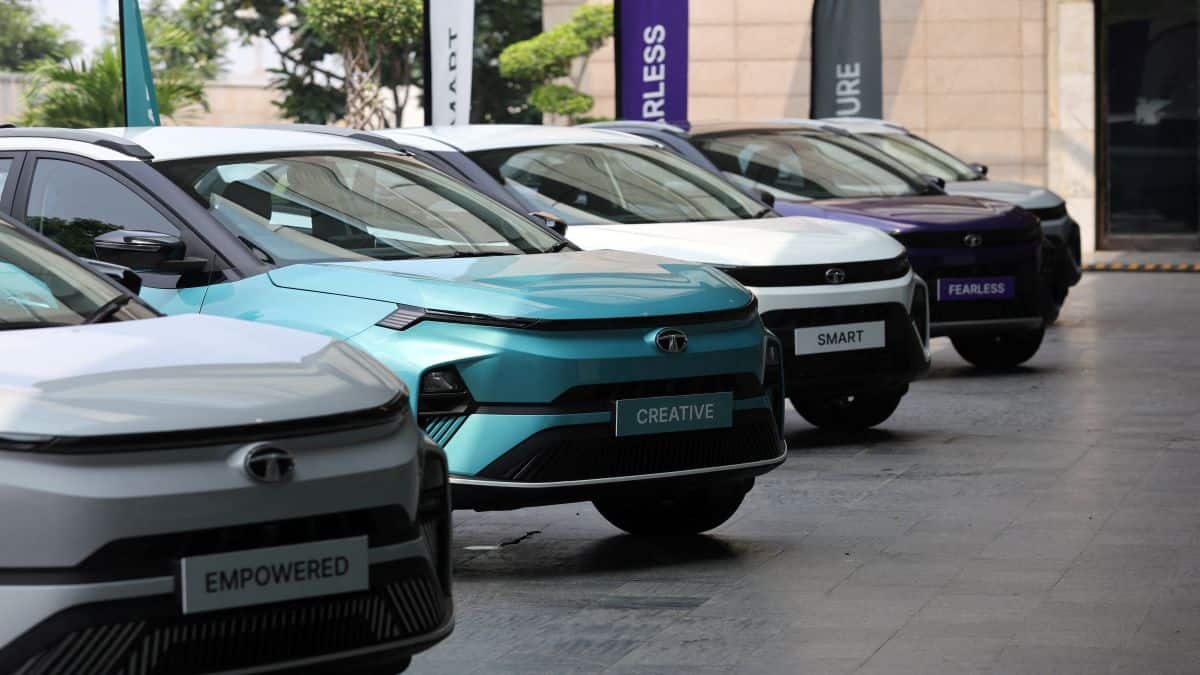
Any technology deployed to further lower emissions and increase fuel efficiency of vehicles won’t be free, but the price increase is expected to be both minimal and gradual. More than anything else, the new norms will further push manufacturers to introduce technologies like hybrids, flex-fuel vehicles and, of course, electric models to their fleet.
Some of that cost may eventually be passed on to consumers. This does not mean that every car will become more expensive specifically because of CAFE III, but the regulations will add to the broader cost of meeting increasingly stringent environmental standards.
There is an upside, though. If CAFE III results in genuinely more efficient vehicles, consumers could use less fuel over the life of a car. Hybrid vehicles, in particular, may become more attractive to buyers who want lower fuel consumption without moving entirely to an EV.
Parth Charan is an automotive journalist based in Mumbai.
Tags

Military drones & police check-ups: How Sri Lanka is fighting against worst dengue outbreak in a decade
How Facebook job ad lured 2 Karnataka men into Myanmar cyber scam camp
Why is India seeing 95% cloud cover despite a Super El Niño?
What is CJP’s fourth demand to the government as protests in Delhi intensify?
The new geography of war: Why the Houthis can no longer be ignored