


Can’t Dream This Up: Can poor sleep affect your vaccine’s effectiveness?
If you are getting the flu or COVID-19 shot, ensure you have had a good night’s rest. A new study has found that sleeping less than six hours the night before could reduce the body’s response to the vaccine

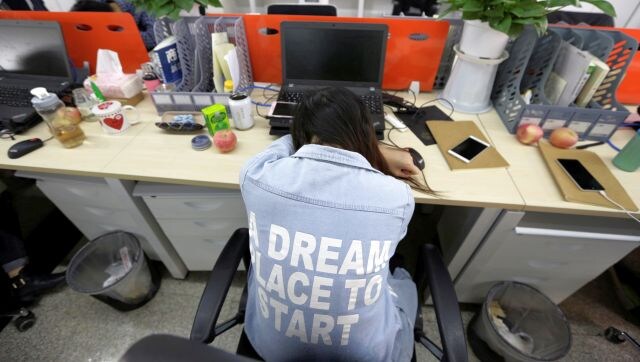
Sleep deprivation is a worldwide problem; in the US, almost 30 per cent of adults had trouble falling or staying asleep in 2022 as per a study. Image used for representational purposes/Reuters[/caption]Sleep and our immunityAdequate sleep is vital for good health and past research has shown that a good night’s rest improves immune cells known as T-cells.Researchers have also found that during nightly sleep, certain components of the immune system speed up. For example, there is an increased production of cytokines associated with inflammation. This activity appears to be driven both by sleep and by circadian rhythm, which is the body’s 24-hour internal clock.When someone is ill or injured, this inflammatory response may help with recovery, fortifying innate and adaptive immunity as the body works to repair wounds or fight off an infection. Research has also shown that sleep strengthens immune memory. The interaction of immune system components during sleep reinforces the immune system’s ability to remember how to recognise and react to dangerous antigens.Besides affecting immunity, lack of good sleep can increase the risk of obesity, diabetes, and cardiovascular diseases.“Bad sleep can result in long-term problems with mood, memory, and blood sugar, among other things,” Suzanne Stevens, MD, a sleep neurologist at the University of Kansas Health System, told Healthline. “Short-term consequences of bad sleep may include sleepiness, poor judgement, car accidents, moodiness, memory problems, workplace mistakes, and more. Chronic poor sleep affects not only the ability to function well the next day, but the sleep deficit builds up the longer sleep isn’t good.”Also read: Why is sleep important for fitness?Good sleep is a nightmareDespite the many health benefits drawn from good sleep, people across the world suffer from sleep deprivation.In the US in 2022, almost 30 per cent of adults, who participated in a study, said that they had trouble falling or staying asleep and about 27 per cent were very sleepy during the day. The analysis also found over 30 per cent of adults reported an hour of sleep debt — when you sleep less than your body needs — while nearly one in 10 adults had a sleep debt of two hours or more.A Philips Global Sleep Survey of 2019 had found that 62 per cent of adults around the world said they don’t sleep as well as they’d like and 67 per cent of adults reported sleep disturbances at least once every night.Also read: Why more people are waking up to sleep tourism in 2023Eric Olson, MD, a pulmonologist and sleep medicine specialist at the Mayo Clinic in Rochester, Minnesota, told Healthline that people had to “reflect on the amount of sleep they’re getting because a lot of the problems are voluntarily induced, and they just need to decide to prioritise an adequate night’s sleep”.He added, “Good sleep must be a priority because there’s so much going on in our worlds. That unless you consciously decide you’re going to make enough time for sleep, it’s just not going to happen.”With inputs from agenciesRead all the Latest News, Trending News, Cricket News, Bollywood News,India News and Entertainment News here. Follow us on Facebook, Twitter and Instagram.

Military drones & police check-ups: How Sri Lanka is fighting against worst dengue outbreak in a decade
How Facebook job ad lured 2 Karnataka men into Myanmar cyber scam camp
Why is India seeing 95% cloud cover despite a Super El Niño?
What is CJP’s fourth demand to the government as protests in Delhi intensify?
The new geography of war: Why the Houthis can no longer be ignored