
Advertisement


Sections
All’s not well: The story of US defence secretary Lloyd Austin’s secret hospitalisation
US defence secretary Lloyd Austin is unwell. But more than wishes for a speedy recovery, he is facing criticism. The leader was admitted to intensive care on 1 January but his stay in the hospital was not disclosed – even Joe Biden was kept in the dark. Here’s what happened

US defence secretary Lloyd Austin is facing flak for keeping his hospitalisation under wraps. While historically leaders are known to hide their illnesses, Austin is in trouble because he did not inform his boss, President Joe Biden or his deputy. It wasn’t a single day of hospitalisation but a stay over days.So what’s ailing Austin and why did he not inform the White House? We explain.Why was Lloyd Austin hospitalised? Austin was admitted to the hospital after an elective procedure he had on 22 December while on leave, Major General Pat Ryder, the Pentagon press secretary, said in a statement on Sunday. He returned home the next day but “began experiencing severe pain” on the evening of 1 January. He was then transported to Walter Reed National Military Medical Center in an ambulance. There were reportedly complications from the earlier surgery.“He was placed in the hospital’s intensive care unit to ensure immediate access due to his medical needs, but then remained in that location in part due to hospital space considerations and privacy,” Ryder said.Austin remains hospitalised at the medical centre “but is recovering well and in good spirits, Ryder said on Sunday. But the Pentagon does not yet know when he will be released, Ryder said.What’s the controversy over the hospitalisation? The Pentagon did not tell Biden and other top officials about Austin’s hospitalisation for three days, three American officials told Politico.US national security advisor Jake Sullivan and US secretary of state Antony Blinken were among those who did on know that the defence secretary was admitted to the medical centre on New Year’s Day. Even Austin’s second in command, the deputy secretary of defence Kathleen Hicks, was left in the dark.It was Sullivan who informed Biden about Austin after the defence department’s notification on 4 January.According to a report in Politico, it is unlikely that Austin had a word with Biden privately before Sullivan’s briefing. “If Jake didn’t know, no way the president knew,” one of them was quoted as saying by the publication. “Who would have told him of Austin’s condition if not Jake? And if someone did tell the president, Jake would’ve been his first call.”The Pentagon reportedly notified US Congress 15 minutes before releasing a public statement.[caption id="attachment_13590102" align="alignnone" width="640"]![]() US president Joe Biden was also not informed about Lloyd Austin's hospitalisation. File photo/Reuters[/caption]The news came as a shock to White House officials and National Security Council staff.Hicks, who was assuming some of Austin’s responsibilities on 2 January, didn’t know that it was because her boss was hospitalised, according to a report in CNN.Blinken said that he wasn’t aware of Austin’s medical issue when asked a question at a news conference in Qatar on Sunday. “I talked to Lloyd last weekend before this incident and I know that he’s put out a statement addressing it,” Blinken said.“This should not have happened this way,” one US official told Politico.Biden reportedly spoke with Austin on Saturday evening, a senior administration official said, indicating that it was the first phone call between the two leaders since the hospital, reports NBC News.“It was a warm conversation… The president wished him the best in his recovery and said he looks forward to seeing the secretary back at the Pentagon soon,” the official said.Ryder told NBC News that Austin “resumed his full duties” Friday evening.Why Llyod Austin mattersAn important member of the Biden Cabinet, Austin holds a key role in the country’s national security establishment. His hospitalisation comes amid the ongoing Israel-Hamas war and as the US military faces increasing challenges in West Asia – the growing attacks by Houthis on US troops and ships in the Red Sea. The US is grappling with how to deal with Iran-backed proxy groups without leading to a wider conflict in the region.During the hospitalisation, the US carried out a strike in Baghdad against the commander of a pro-Iran militia. The defence secretary authorised it before he was hospitalised, according to the Pentagon press secretary.On the day of his hospitalisation, Austin also joined a call with President Biden along with other top national security officials, a source told CNN. It is unclear if the call, which took place in the morning, was before or after he was admitted.[caption id="attachment_13590112" align="alignnone" width="640"]
US president Joe Biden was also not informed about Lloyd Austin's hospitalisation. File photo/Reuters[/caption]The news came as a shock to White House officials and National Security Council staff.Hicks, who was assuming some of Austin’s responsibilities on 2 January, didn’t know that it was because her boss was hospitalised, according to a report in CNN.Blinken said that he wasn’t aware of Austin’s medical issue when asked a question at a news conference in Qatar on Sunday. “I talked to Lloyd last weekend before this incident and I know that he’s put out a statement addressing it,” Blinken said.“This should not have happened this way,” one US official told Politico.Biden reportedly spoke with Austin on Saturday evening, a senior administration official said, indicating that it was the first phone call between the two leaders since the hospital, reports NBC News.“It was a warm conversation… The president wished him the best in his recovery and said he looks forward to seeing the secretary back at the Pentagon soon,” the official said.Ryder told NBC News that Austin “resumed his full duties” Friday evening.Why Llyod Austin mattersAn important member of the Biden Cabinet, Austin holds a key role in the country’s national security establishment. His hospitalisation comes amid the ongoing Israel-Hamas war and as the US military faces increasing challenges in West Asia – the growing attacks by Houthis on US troops and ships in the Red Sea. The US is grappling with how to deal with Iran-backed proxy groups without leading to a wider conflict in the region.During the hospitalisation, the US carried out a strike in Baghdad against the commander of a pro-Iran militia. The defence secretary authorised it before he was hospitalised, according to the Pentagon press secretary.On the day of his hospitalisation, Austin also joined a call with President Biden along with other top national security officials, a source told CNN. It is unclear if the call, which took place in the morning, was before or after he was admitted.[caption id="attachment_13590112" align="alignnone" width="640"]![]() While Lloyd Austin resumed his duties on Friday 5 January, he remained in hospital. File photo/AP[/caption]What criticism has Austin received?Republicans are hitting out at Austin for keeping the hospitalisation a secret. Former vice president Mike Pence said that the lack of transparency was “totally unacceptable”. Calling Austin’s action a “dereliction of duty”, he told CNN, “I believe the American people have the right to know about his medical condition, about the reasons for it.”“We are learning more every hour about the [defence] department’s shocking defiance of the law,” Senate Armed Services Committee ranking member Roger Wicker said in a statement. The Republican argued that the incident “further erodes trust in the Biden Administration”.Senator Tom Cotton, a member of the Armed Services Committee, said in a statement, “If this report is true, there must be consequences for this shocking breakdown.”[caption id="attachment_13590222" align="alignnone" width="640"]
While Lloyd Austin resumed his duties on Friday 5 January, he remained in hospital. File photo/AP[/caption]What criticism has Austin received?Republicans are hitting out at Austin for keeping the hospitalisation a secret. Former vice president Mike Pence said that the lack of transparency was “totally unacceptable”. Calling Austin’s action a “dereliction of duty”, he told CNN, “I believe the American people have the right to know about his medical condition, about the reasons for it.”“We are learning more every hour about the [defence] department’s shocking defiance of the law,” Senate Armed Services Committee ranking member Roger Wicker said in a statement. The Republican argued that the incident “further erodes trust in the Biden Administration”.Senator Tom Cotton, a member of the Armed Services Committee, said in a statement, “If this report is true, there must be consequences for this shocking breakdown.”[caption id="attachment_13590222" align="alignnone" width="640"]![]() Austin authorised a strike in Baghdad against the commander of a pro-Iran militia before he was hospitalised, said the Pentagon. File photo/AFP[/caption]What has Llyod Austin said?On Saturday, the US defence secretary released a statement taking responsibility for not disclosing his condition earlier.“I am very glad to be on the mend and look forward to returning to the Pentagon soon. I also understand the media concerns about transparency and I recognize I could have done a better job ensuring the public was appropriately informed. I commit to doing better,” Austin said.“But this is important to say: this was my medical procedure, and I take full responsibility for my decisions about disclosure,” he added.Are leaders secretive about illnesses? Llyod is not the first leader to hesitate to divulge details about his health. President Biden’s health has led to a lot of speculation. Last year, the 81-year-old created a buzz about a mystery line on his face.It was later disclosed by Andrew Bates, deputy press secretary, that Biden was using a CPAP machine, a medical device to prevent snoring and the potentially damaging interruptions in breathing caused by sleep apnea.[caption id="attachment_13590142" align="alignnone" width="681"]
Austin authorised a strike in Baghdad against the commander of a pro-Iran militia before he was hospitalised, said the Pentagon. File photo/AFP[/caption]What has Llyod Austin said?On Saturday, the US defence secretary released a statement taking responsibility for not disclosing his condition earlier.“I am very glad to be on the mend and look forward to returning to the Pentagon soon. I also understand the media concerns about transparency and I recognize I could have done a better job ensuring the public was appropriately informed. I commit to doing better,” Austin said.“But this is important to say: this was my medical procedure, and I take full responsibility for my decisions about disclosure,” he added.Are leaders secretive about illnesses? Llyod is not the first leader to hesitate to divulge details about his health. President Biden’s health has led to a lot of speculation. Last year, the 81-year-old created a buzz about a mystery line on his face.It was later disclosed by Andrew Bates, deputy press secretary, that Biden was using a CPAP machine, a medical device to prevent snoring and the potentially damaging interruptions in breathing caused by sleep apnea.[caption id="attachment_13590142" align="alignnone" width="681"]![]() US president Joe Biden's health is often under the scanner because of his age. He suffers from sleep apnea. File photo/Reuters[/caption]During the pandemic, Trump was also not forthcoming with details of his COVID-19 infection. His physician offered little information stating that he was treated with an antibody cocktail in October 2020 when the pandemic was at its peak and his age (then 74) put him at high risk.In 2016, when Hilary Clinton was running for president, her rival Trump questioned her physical and mental capabilities. She went on a late-night comedy show to rubbish health rumours and when she caught pneumonia it became a topic of national debate.American leaders have been known for hiding illnesses – John F Kennedy suffered from various problems controlled by doses of steroids including Addison’s disease, Franklin D Roosevelt’s high blood pressure and congestive heart failure, and Ronald Regan had Alzheimer’s, among others.But is not American leaders alone.When Harold Wilson was British PM he showed symptoms that were later diagnosed as colon cancer and might have suffered from Alzheimer’s while in office. Winston Churchill suffered from depression and Tony Blair’s heart condition was downplayed.In 2019, then-German chancellor Angela Merkel’s health was much discussed after severe incidents of shaking incident at official events. The media discussed if she was fit enough to stay in office but she stayed until the end of her term in 2021.[caption id="attachment_13590172" align="alignnone" width="640"]
US president Joe Biden's health is often under the scanner because of his age. He suffers from sleep apnea. File photo/Reuters[/caption]During the pandemic, Trump was also not forthcoming with details of his COVID-19 infection. His physician offered little information stating that he was treated with an antibody cocktail in October 2020 when the pandemic was at its peak and his age (then 74) put him at high risk.In 2016, when Hilary Clinton was running for president, her rival Trump questioned her physical and mental capabilities. She went on a late-night comedy show to rubbish health rumours and when she caught pneumonia it became a topic of national debate.American leaders have been known for hiding illnesses – John F Kennedy suffered from various problems controlled by doses of steroids including Addison’s disease, Franklin D Roosevelt’s high blood pressure and congestive heart failure, and Ronald Regan had Alzheimer’s, among others.But is not American leaders alone.When Harold Wilson was British PM he showed symptoms that were later diagnosed as colon cancer and might have suffered from Alzheimer’s while in office. Winston Churchill suffered from depression and Tony Blair’s heart condition was downplayed.In 2019, then-German chancellor Angela Merkel’s health was much discussed after severe incidents of shaking incident at official events. The media discussed if she was fit enough to stay in office but she stayed until the end of her term in 2021.[caption id="attachment_13590172" align="alignnone" width="640"]![]() Former German chancellor Angela Merkel grabbed headlines in 2019 because of continuous incidents of shaking during official events. File photo/Reuters[/caption]Almost nothing is known about Russian president Vladimir Putin’s health. There have been several reports about the 71-year-old leader. Some suggest he is battling cancer and Parkison’s disease. Others spoke of his blurred vision, the severe headaches he suffered from and a numb tongue.In some cases, we will never know the truth.With inputs from agencies
Former German chancellor Angela Merkel grabbed headlines in 2019 because of continuous incidents of shaking during official events. File photo/Reuters[/caption]Almost nothing is known about Russian president Vladimir Putin’s health. There have been several reports about the 71-year-old leader. Some suggest he is battling cancer and Parkison’s disease. Others spoke of his blurred vision, the severe headaches he suffered from and a numb tongue.In some cases, we will never know the truth.With inputs from agencies
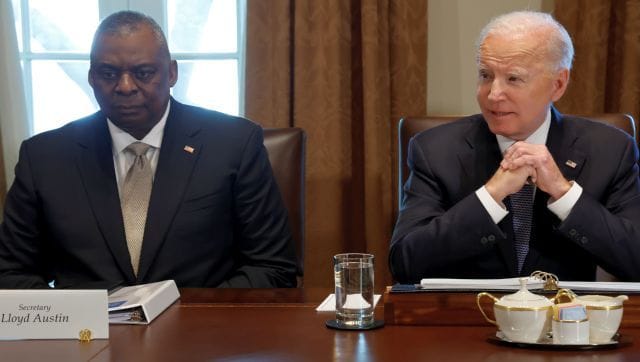 US president Joe Biden was also not informed about Lloyd Austin's hospitalisation. File photo/Reuters[/caption]The news came as a shock to White House officials and National Security Council staff.Hicks, who was assuming some of Austin’s responsibilities on 2 January, didn’t know that it was because her boss was hospitalised, according to a report in CNN.Blinken said that he wasn’t aware of Austin’s medical issue when asked a question at a news conference in Qatar on Sunday. “I talked to Lloyd last weekend before this incident and I know that he’s put out a statement addressing it,” Blinken said.“This should not have happened this way,” one US official told Politico.Biden reportedly spoke with Austin on Saturday evening, a senior administration official said, indicating that it was the first phone call between the two leaders since the hospital, reports NBC News.“It was a warm conversation… The president wished him the best in his recovery and said he looks forward to seeing the secretary back at the Pentagon soon,” the official said.Ryder told NBC News that Austin “resumed his full duties” Friday evening.Why Llyod Austin mattersAn important member of the Biden Cabinet, Austin holds a key role in the country’s national security establishment. His hospitalisation comes amid the ongoing Israel-Hamas war and as the US military faces increasing challenges in West Asia – the growing attacks by Houthis on US troops and ships in the Red Sea. The US is grappling with how to deal with Iran-backed proxy groups without leading to a wider conflict in the region.During the hospitalisation, the US carried out a strike in Baghdad against the commander of a pro-Iran militia. The defence secretary authorised it before he was hospitalised, according to the Pentagon press secretary.On the day of his hospitalisation, Austin also joined a call with President Biden along with other top national security officials, a source told CNN. It is unclear if the call, which took place in the morning, was before or after he was admitted.[caption id="attachment_13590112" align="alignnone" width="640"]
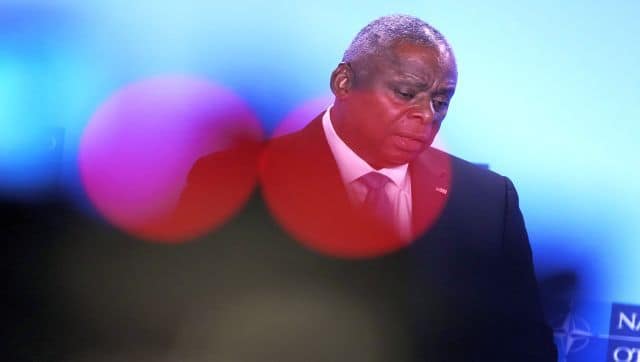 While Lloyd Austin resumed his duties on Friday 5 January, he remained in hospital. File photo/AP[/caption]What criticism has Austin received?Republicans are hitting out at Austin for keeping the hospitalisation a secret. Former vice president Mike Pence said that the lack of transparency was “totally unacceptable”. Calling Austin’s action a “dereliction of duty”, he told CNN, “I believe the American people have the right to know about his medical condition, about the reasons for it.”“We are learning more every hour about the [defence] department’s shocking defiance of the law,” Senate Armed Services Committee ranking member Roger Wicker said in a statement. The Republican argued that the incident “further erodes trust in the Biden Administration”.Senator Tom Cotton, a member of the Armed Services Committee, said in a statement, “If this report is true, there must be consequences for this shocking breakdown.”[caption id="attachment_13590222" align="alignnone" width="640"]
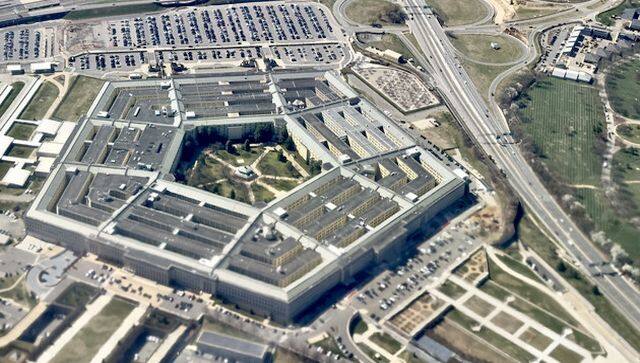 Austin authorised a strike in Baghdad against the commander of a pro-Iran militia before he was hospitalised, said the Pentagon. File photo/AFP[/caption]What has Llyod Austin said?On Saturday, the US defence secretary released a statement taking responsibility for not disclosing his condition earlier.“I am very glad to be on the mend and look forward to returning to the Pentagon soon. I also understand the media concerns about transparency and I recognize I could have done a better job ensuring the public was appropriately informed. I commit to doing better,” Austin said.“But this is important to say: this was my medical procedure, and I take full responsibility for my decisions about disclosure,” he added.
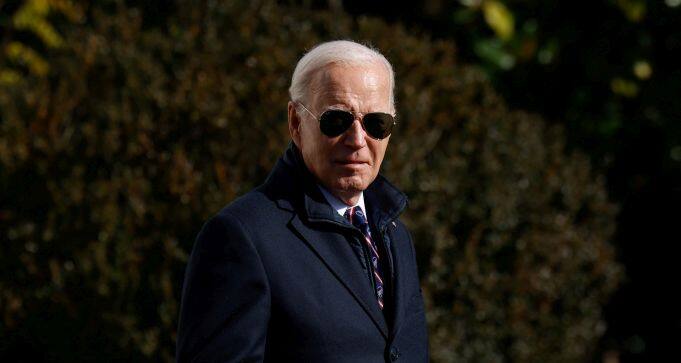 US president Joe Biden's health is often under the scanner because of his age. He suffers from sleep apnea. File photo/Reuters[/caption]During the pandemic, Trump was also not forthcoming with details of his COVID-19 infection. His physician offered little information stating that he was treated with an antibody cocktail in October 2020 when the pandemic was at its peak and his age (then 74) put him at high risk.In 2016, when Hilary Clinton was running for president, her rival Trump questioned her physical and mental capabilities. She went on a late-night comedy show to rubbish health rumours and when she caught pneumonia it became a topic of national debate.American leaders have been known for hiding illnesses – John F Kennedy suffered from various problems controlled by doses of steroids including Addison’s disease, Franklin D Roosevelt’s high blood pressure and congestive heart failure, and Ronald Regan had Alzheimer’s, among others.But is not American leaders alone.When Harold Wilson was British PM he showed symptoms that were later diagnosed as colon cancer and might have suffered from Alzheimer’s while in office. Winston Churchill suffered from depression and Tony Blair’s heart condition was downplayed.In 2019, then-German chancellor Angela Merkel’s health was much discussed after severe incidents of shaking incident at official events. The media discussed if she was fit enough to stay in office but she stayed until the end of her term in 2021.[caption id="attachment_13590172" align="alignnone" width="640"]
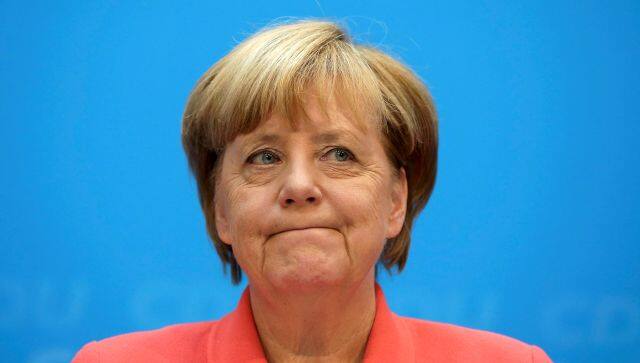 Former German chancellor Angela Merkel grabbed headlines in 2019 because of continuous incidents of shaking during official events. File photo/Reuters[/caption]Almost nothing is known about Russian president Vladimir Putin’s health. There have been several reports about the 71-year-old leader. Some suggest he is battling cancer and Parkison’s disease. Others spoke of his blurred vision, the severe headaches he suffered from and a numb tongue.In some cases, we will never know the truth.With inputs from agencies
 First Published:Jan 08, 2024, 17:22:51 IST
Advertisement
Advertisement

Military drones & police check-ups: How Sri Lanka is fighting against worst dengue outbreak in a decade
Sri Lanka is fighting its most severe dengue outbreak in nearly a decade, with infections rising sharply across the nation. Military drones have been deployed to tackle the outbreak, which has claimed 56 lives. Health officials said the outbreak is being driven primarily by the DENV-2 variant of the virus
3 min read
How Facebook job ad lured 2 Karnataka men into Myanmar cyber scam camp
The Karnataka Cyber Command has rescued two youths from a scam compound in Myanmar operated by Chinese fraudsters. The duo from Karnataka were lured on the pretext of data-entry jobs. They were asked to work for 16 hours a day and were expected to sleep for six hours daily
4 min read
Why is India seeing 95% cloud cover despite a Super El Niño?
India is witnessing nearly 95 per cent cloud cover despite a Super El Niño, a climate event usually linked to weaker monsoons. Regional weather systems, cyclonic circulations, the monsoon trough and moisture from two seas are temporarily overpowering one of the world's strongest climate phenomena
5 min read
What is CJP’s fourth demand to the government as protests in Delhi intensify?
The protest by the Cockroach Janta Party at Delhi’s Jantar Mantar refuses to die down. The group have made a fourth demand to the Centre, asking that no FIRs are filed against the agitators and that no legal action be taken. The government has expressed willingness to speak to the protesters, but refused to accede on the resignation of Education Minister Dharmandra Pradhan
5 min read
The new geography of war: Why the Houthis can no longer be ignored
The rise of the Houthis marks the emergence of a new geography of war — one in which influence flows not only from capitals and conventional armies, but also from rugged mountains overlooking vital sea lanes
6 min read
Advertisement
Advertisement