


WeWork review: A modest and tropey examination of capitalist greed
WeWork documentary finds the sweet spot between history and mythmaking, reportage and dramatisation, but by no means is an investigative film.

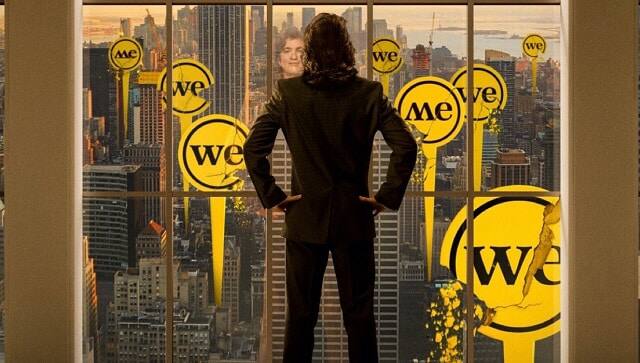
Uncannily, WeWork directly evokes Wild Wild Country in two ways. First, early on it’s revealed in passing that the co-founder of WeWork – who, just like Adam, might have declined to participate in the film – grew up in an Oregon commune. (I could almost hear Ma Anand Sheela’s voice instructing his parents to ‘worship’ a lilting Osho). Secondly, an entire chunk of the documentary is devoted to the cult-like atmosphere of the company’s annual Summer Camps – where chanting, free-living, physical activities and other bodily awakenings were encouraged. Words like “wellness” and “happiness quotient” emerge like sinister little reptiles, reminiscent of the smokescreen employed by all of history’s biggest community movements.Once these portions pass, we begin to see Adam – and his unsettlingly creepy SoHo wife Rebekah – in the light of a spiritual leader. WeWork extends to WeLive and WeGrow, radical housing and education systems that attract the investment of an iffy Japanese tech billionaire. The few hints of dissent – like an alert product manager and young reporter – are dismissed by the documentary, almost as though it were attempting to express Adam’s own attitude towards any minor roadblocks. Sly scenes from movies like Eyes Wide Shut are interwoven into the narrative, suggesting the nutty shamanic prophet hiding within the long-haired quasi-Valley founder.The overall result, however, is less than compelling. The tale is far more fascinating than its telling. For once, I found myself wishing to witness a corny fictionalisation of the WeWork implosion – starring Ashton Kutcher as his friend Adam Neumann and Gwyneth Paltrow as her cousin Rebekah Neumann – rather than this by-the-books documentary. The one thing it does get right, though, is a think-piece-like ending – where melancholic ex-believers place the social identity of WeWork in the context of a lonely pandemic-hit world. Humans crave to be seen and heard, and yet the one start-up that understood this instinct became the biggest bust story of the decade. This is when we realise that “We” was never the opposite of “I” – it was merely an extension. If the I-based Apple products enabled a culture of isolation, the We-based product simply monetised the fear of it. The filmmaking may not convey this subtext. But new-age capitalism – fuelled by post-recession paranoia – is forever the winner. The art of the scam is almost aspirational in an age of guileless commerce.

How Spider-Man actor Tom Holland has been on a sobriety journey of 4.5 years after being "addicted to alcohol"
Sitar virtuoso Rishab Sharma steals the spotlight with Rs 35.8 lakh Jacob & Co Ram Janmabhoomi watch at ‘Ramayana’ event: Here's what makes it rare
Amitabh Bachchan reveals being admitted to the ICU and undergoing surgery, calls recovery 'the most difficult phase of life'
Avengers Doomsday trailer out: What to expect from Marvel's ultimate crossover
Christopher Nolan banned the orchestra for 'The Odyssey': The sound of gongs, scrap metal and more