


Samaritan and the superhero's twilight years
Sylvester Stallone is cast perfectly as an aged superhero-in-exile in the Amazon Prime Video film Samaritan. However, like a lot of recent onscreen depictions of aged super-beings, the film deals mostly in broad strokes and caricatures.

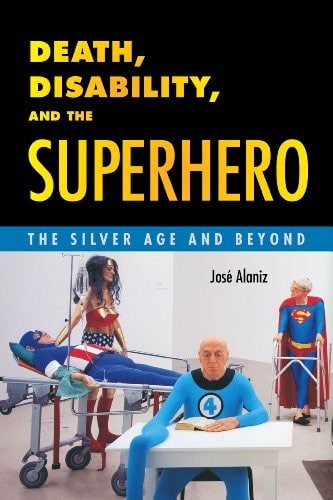
In the book, Alaniz writes about how and why this artwork succeeds in its satirical depiction of aged superheroes. He begins by noting that outside of America, superhero movies are widely seen as representations of “velvet-gloved fascism”; the films are seen to propagate a strongly pro-American-military point of view, among other things. Alaniz then argues that the superhero’s bodies as they usually are—preternaturally strong, forever young and frozen in time—act as a stand-in for traditionally American values. It must follow, therefore, that if one were to forcibly age these bodies, the underlying symbolism about American dominance would also be critiqued. Alaniz explains it thus:“The ‘super signifier’ of the super-body thus reifies nation, death-denying vigor and sexual potency. This makes Nursing Home a lacerating parody; Barbier reintroduces time, the one element inimical myth, of whatever ideological stripe. He fuses the ‘flash’ of fantastic superheroics and the can-do American optimism it incarnates with the deflating reality principle of the exhausted, decrepit, dying body (Wonder Woman, Captain America and Superman are all represented at something like the age they would be, given the actual number of years since their first appearance in the comics). Nursing Home thereby equates the disabled body of the elderly heroes with the flawed, discredited and obsolete American Dream.”In a 2021 essay (published in the academic journal Societies) called ‘Representation and Agency of Aging Superheroes in Popular Culture and Contemporary Society’, Katerina Valentová wrote about Kingdom Come, a 1996 miniseries (and later, a single-volume graphic novel) by Mark Waid and Alex Ross where Superman has been depicted as a aged, white-haired man who wear overalls and lives on a farm in Midwestern America. We are told that many years ago, Superman retreated from public life after the Joker murdered his wife Lois Lane and Magog, an ultra-violent vigilante from the new generation, murders the Joker brutally in retaliation.For such a painstakingly colourful graphic novel (the gouache front cover is one of my all-time favourites), Kingdom Come sees the generational clash in black and white, obstinately so. The new generation superheroes are all ear-ringed, potty-mouthed juvenile delinquents while the older generation is stubborn, mulish and say comically outdated things that make others heap scorn upon them. “Does the S stand for senile”, a young ‘un teases Superman after the latter turns up at a discotheque (really, Supes?) in search of answers.Valentová writes: “The present is ruled by the young ones, who are the children and grandchildren of the old superheroes. However, they neither maintain nor believe in the old values of their parents. Instead, they instill violence as they fight for the sake of fighting. Whereas the old generation represents the values of truth and justice, the young one is military-based and does not care about humans. While the young ones are strong but with their morals besmirched, the old ones have aged faces and bodies, but they are noble and wise, with a strong sense of justice and welfare, which posits an interesting dichotomy of wisdom and frailty in regard to old age.”She then explains the failures of this approach in a succinct manner.“From the psychological point of view, the aged superheroes depicted in Kingdom Come stereotypically embody the tradition and old values, clashing with the young generation of superhumans, portrayed typecast, having bald heads, dyed hair, piercings and tattoos. Both generations do not move from the hackneyed cultural portrayals of the young-old dichotomy and therefore do not challenge any cultural stereotype set in American society. The aged Superman is a result and a biased social portrayal of the elderly in greying America.”Whether it’s films like Samaritan or Logan or books like Kingdom Come, it’s clear that ageing, mortality and our corporeal bodies decaying are topics that every creator working with superheroes wants to tackle head-on. The only question is whether we will move on from stereotypes about senior citizens; hoary old chestnuts that have, to nobody’s surprise, aged poorly.Aditya Mani Jha is a Delhi-based independent writer and journalist, currently working on a book of essays on Indian comics and graphic novels.Read all the Latest News, Trending News, Cricket News, Bollywood News, India News and Entertainment News here. Follow us on Facebook, Twitter and Instagram.

How Spider-Man actor Tom Holland has been on a sobriety journey of 4.5 years after being "addicted to alcohol"
Sitar virtuoso Rishab Sharma steals the spotlight with Rs 35.8 lakh Jacob & Co Ram Janmabhoomi watch at ‘Ramayana’ event: Here's what makes it rare
Amitabh Bachchan reveals being admitted to the ICU and undergoing surgery, calls recovery 'the most difficult phase of life'
Avengers Doomsday trailer out: What to expect from Marvel's ultimate crossover
Christopher Nolan banned the orchestra for 'The Odyssey': The sound of gongs, scrap metal and more