


Canada wildfire smoke blankets US as toxic haze disrupts daily life, fuels political tensions
Smoke from hundreds of wildfires burning across Canada has pushed air pollution to dangerous levels in large parts of the US, disrupting transport, sports and daily life while reviving concerns over climate change and cross-border disaster management.

What began as another day of hazardous air for millions of Americans quickly evolved into a political flashpoint as smoke from Canada's raging wildfires continued to blanket large parts of the United States.
The toxic haze disrupted daily life across the Great Lakes, Northeast and Mid-Atlantic regions, while US President Donald Trump blamed Canada's forest management for the crisis, prompting a pointed rebuttal from Ontario Premier Doug Ford.
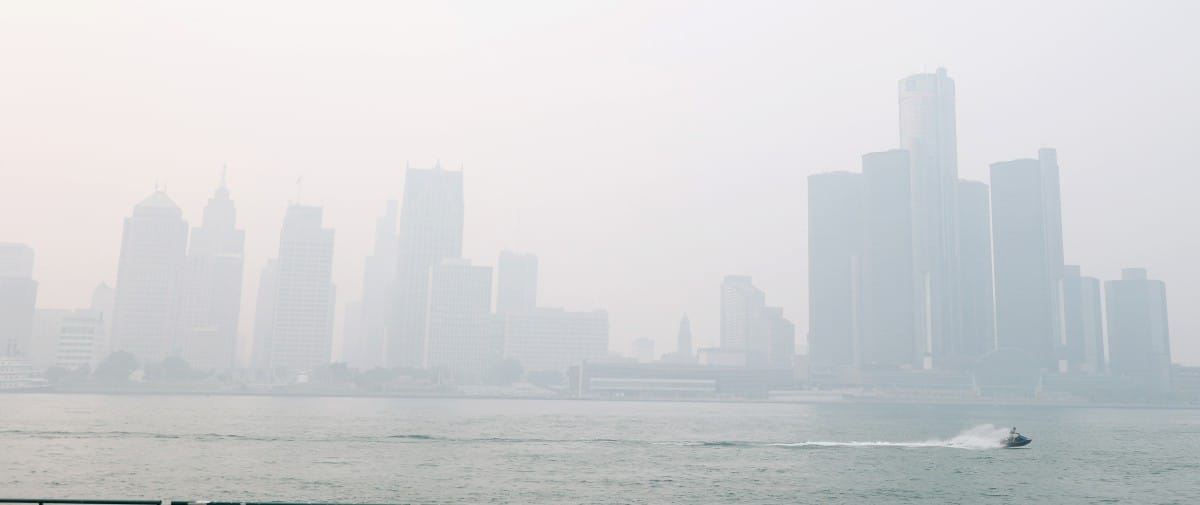
While thunderstorms could offer temporary relief in some regions, weather experts say the smoke crisis is likely to persist as hundreds of fires continue to burn north of the border.
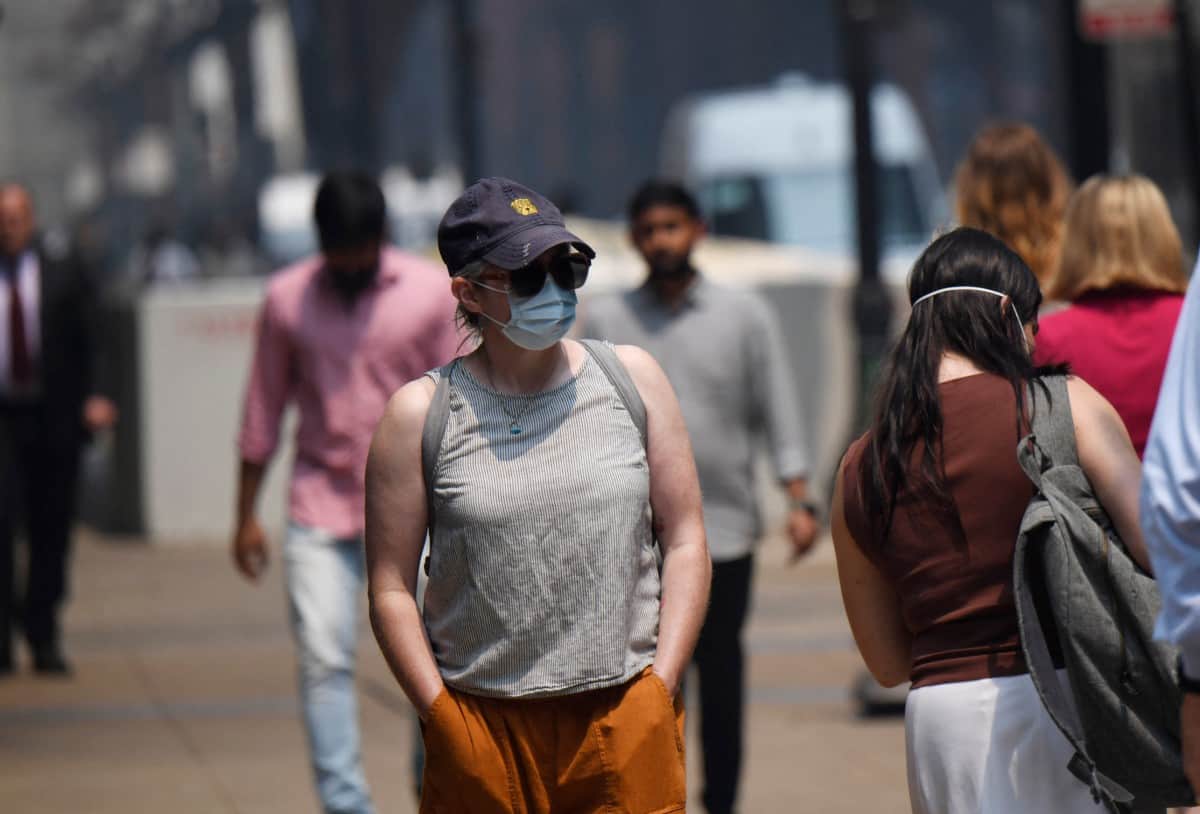
The deteriorating air quality stretched from the Great Lakes to the Northeast and Mid-Atlantic, with cities including Washington, D.C., Detroit, Chicago and New York experiencing some of the worst conditions. Public health agencies urged residents—particularly children, senior citizens and people with respiratory or heart ailments—to stay indoors as much as possible or wear protective masks when venturing outside.
 More from World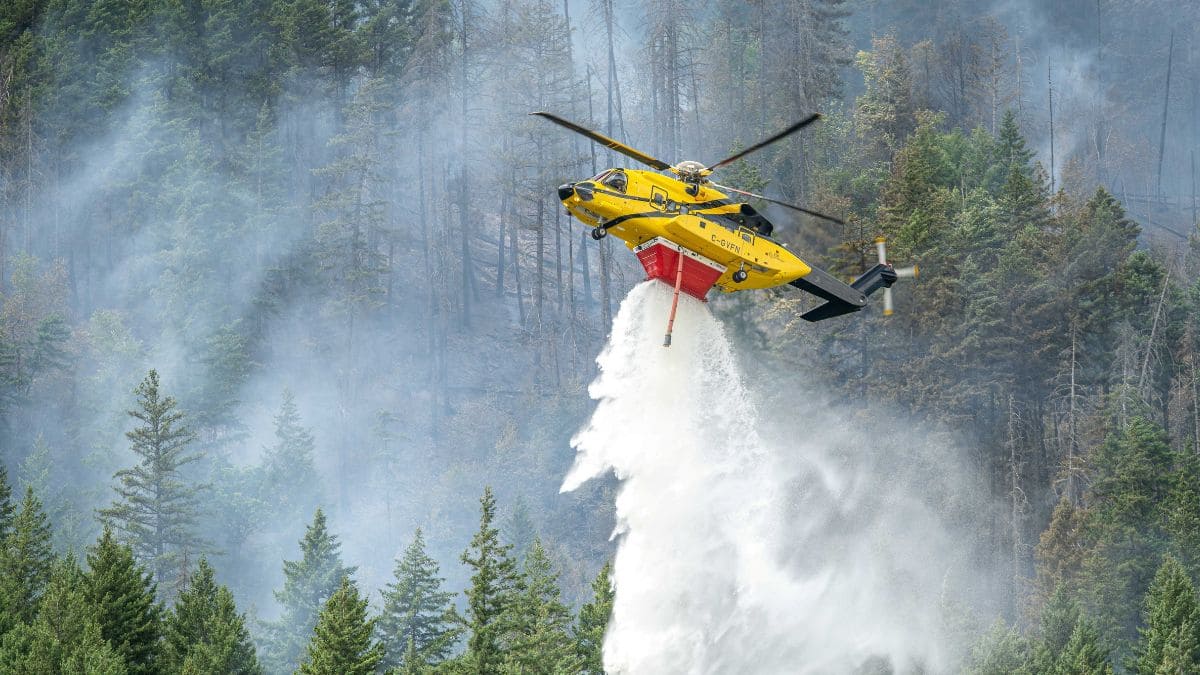
The smoky conditions were severe enough to force the postponement of a Major League Baseball game between the Cleveland Guardians and Pittsburgh Pirates, while organisers of the All-American Soap Box Derby in Ohio cancelled Friday's racing schedule over safety concerns.
Wildfires continue to fuel a cross-border pollution crisis
The smoke blanketing the United States originates from hundreds of active wildfires burning across Canada, particularly in Ontario, where nearly 190 fires remain active. Several northern communities, including Indigenous settlements, have been evacuated after advancing flames destroyed homes and threatened nearby areas.
US forecasters say the fires remain largely uncontrolled, meaning shifting wind patterns will continue carrying smoke across the border over the coming days. Although rain and thunderstorms forecast for parts of the Northeast and Mid-Atlantic may temporarily improve air quality, meteorologists caution that the underlying source of the pollution remains unchanged.
The crisis has also affected parts of Minnesota, where wildfires in the Boundary Waters Canoe Area Wilderness have prompted authorities to close sections of the protected region as firefighters battle the blazes.
Air quality monitoring services ranked several Midwestern cities among the world's most polluted on Friday. In the US capital, the smoke dramatically reduced visibility, leaving landmarks such as the Washington Monument and Lincoln Memorial barely visible behind an orange-tinted haze.
Health experts warn that prolonged exposure to wildfire smoke can do far more than irritate the eyes or throat. Fine particulate matter released during forest fires can aggravate asthma and other lung diseases while increasing the risk of cardiovascular illness, neurological disorders and premature death, particularly among vulnerable populations.
Political tensions add to the crisis
The environmental emergency has also spilled into politics. US President Donald Trump blamed Canada's forest management practices for the smoke drifting into the United States and threatened additional tariffs, arguing that American communities should not bear the consequences of Canadian wildfires.
The remarks drew a sharp response from Ontario Premier Doug Ford, who urged American leaders to focus on cooperation rather than criticism. He noted that Canadian firefighters have repeatedly assisted the United States during previous wildfire emergencies and said both countries should continue supporting one another as climate-driven disasters become more frequent.
Scientists have long warned that rising global temperatures, prolonged heatwaves and drier forests are making Canada's wildfire seasons more intense and longer-lasting. This year's fires have once again demonstrated how environmental disasters can quickly evolve into international crises, affecting public health, transportation, economic activity and diplomatic relations far beyond the areas where the flames are burning.
Even if weekend rain clears the skies temporarily, forecasters say the wider challenge is far from over. Until the fires are brought under control, millions on both sides of the US-Canada border are likely to remain vulnerable to recurring waves of hazardous smoke.
With inputs from agencies

Marco Rubio says he 'would expect India to be concerned' over Trump's pharma tariffs
Trump renews China election interference claims, but files point to Russia's larger role
'See me after class!': UK education secretary Lucy Powell mocked by Tories over grammar gaffe
Jaishankar meets Canada's Anita Anand, discusses bilateral cooperation and shared interests
Trump says US will hit Iranian infrastructure after every attack on ships in Strait of Hormuz