


Samsung Galaxy S26 and Galaxy S26+ review: Familiar flagship experience
Familiar yet powerful, the Galaxy S26 series refines rather than reinvents. Strong performance, reliable cameras, and AI smarts shine. But is it perfect? Let's find out in our Samsung Galaxy S26 and Galaxy S26+ review.

Pros:
- Both phones are big on performance and excels in multitasking
- Both phones offer clear and detailed images, even in low light
- The Galaxy S26+’s display delivers an excellent viewing experience
Cons:
- For both phones, the charging speed is too slow
- No Qi2 support, which makes MagSafe charging a task
- Steeper pricing
Samsung Galaxy S26 Price: Rs 87,999
Samsung Galaxy S26+ Price: Rs 1,19,999
Rating:
- S26: 4.5/5
- S26+: 4.5/5
If you were expecting Samsung to shake things up this year, here’s the reality check: the Galaxy S26 and Galaxy S26+ are more about refinement than revolution.
After spending time with both phones, one thing is clear, Samsung is playing it safe. There are no dramatic upgrades, no headline-grabbing changes. But what you do get is consistency, reliability, and performance that still holds its ground in the flagship space.
So yes, the upgrades may feel incremental, but do these phones still deliver where it matters? Let’s find out.
Design and display: Something familiar, something new
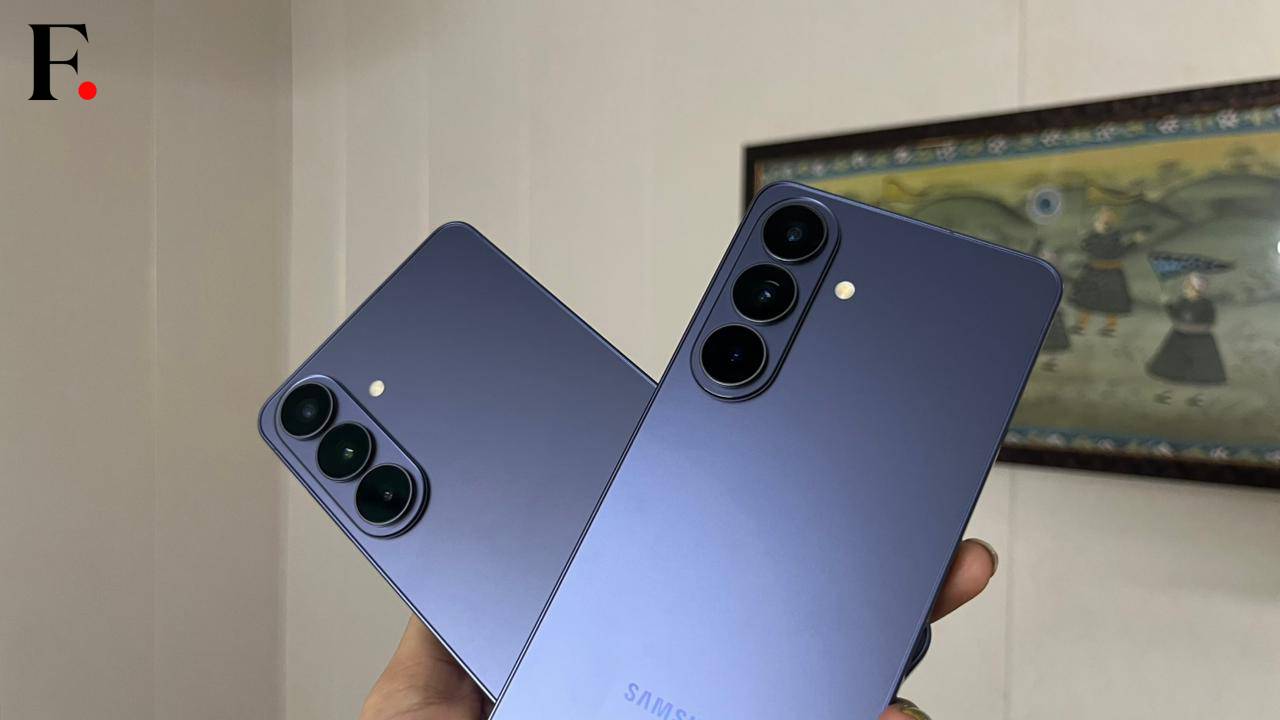
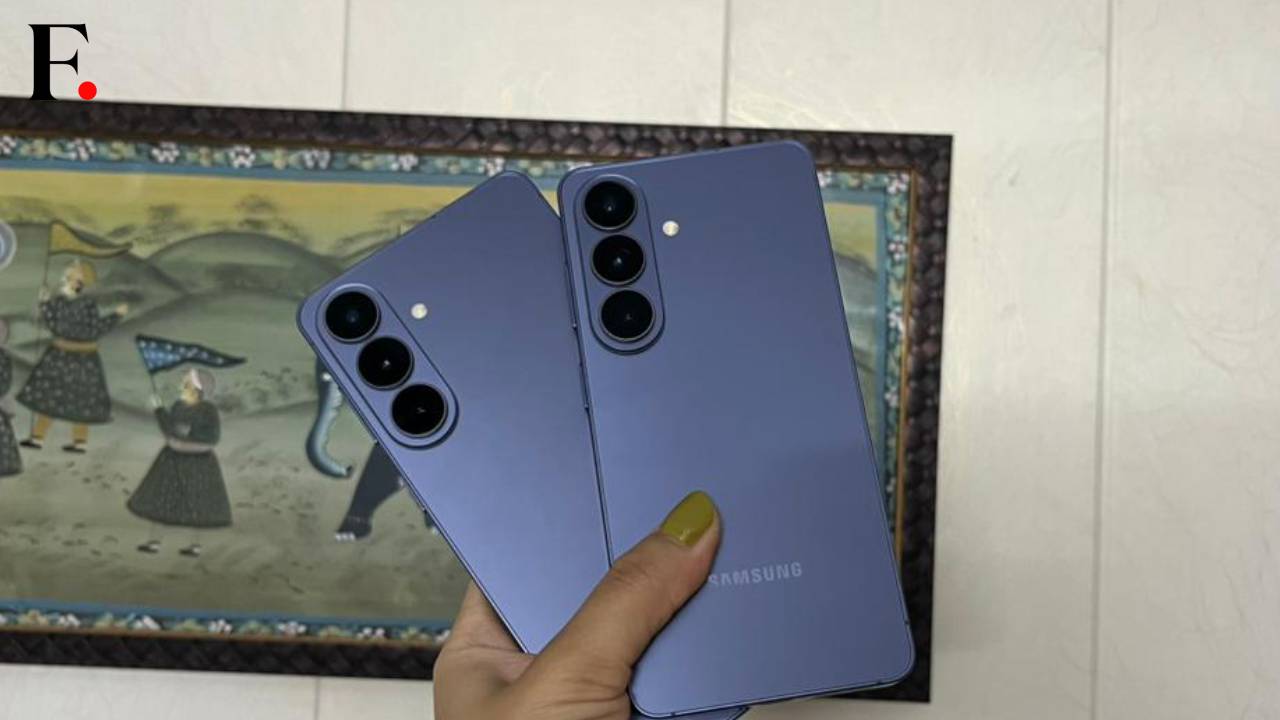
Samsung is one of those brands that prefers sticking to a winning formula, and the design is a classic example. Both the Galaxy S26 and Galaxy S26+ follow the same design language. On the rear, a vertical pill-shaped island houses the triple-camera system, and this remains the only real visual cue separating it from the S25 series.
 More from Reviews
Looking closer, the base Galaxy S26 does bring minor changes in dimensions. It is slightly heavier than its predecessor, weighing 167g, about 5g more than the Galaxy S25.
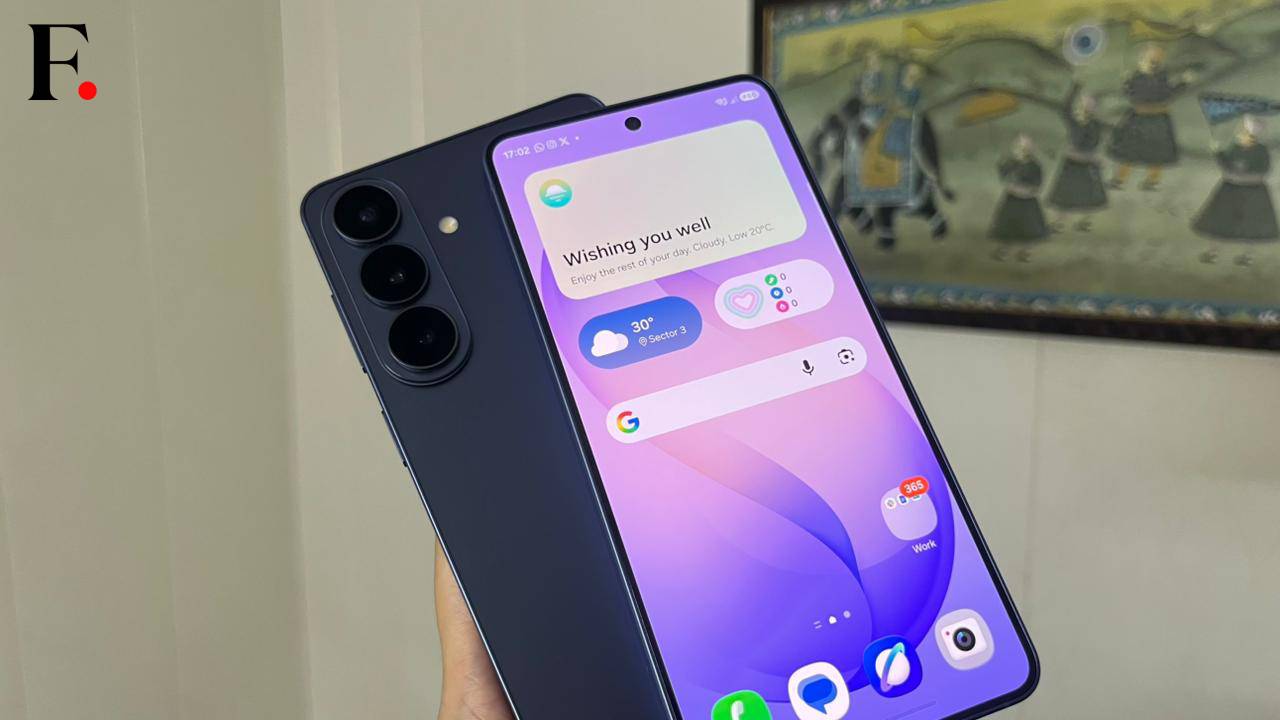
That said, the added weight does not bother me. The phone still feels compact and incredibly comfortable to use. It now features a slightly larger 6.3-inch display, which adds to the overall experience.
The Galaxy S26+, on the other hand, is almost a carbon copy of the Galaxy S25+. From dimensions to weight to thickness and even display, everything remains unchanged.
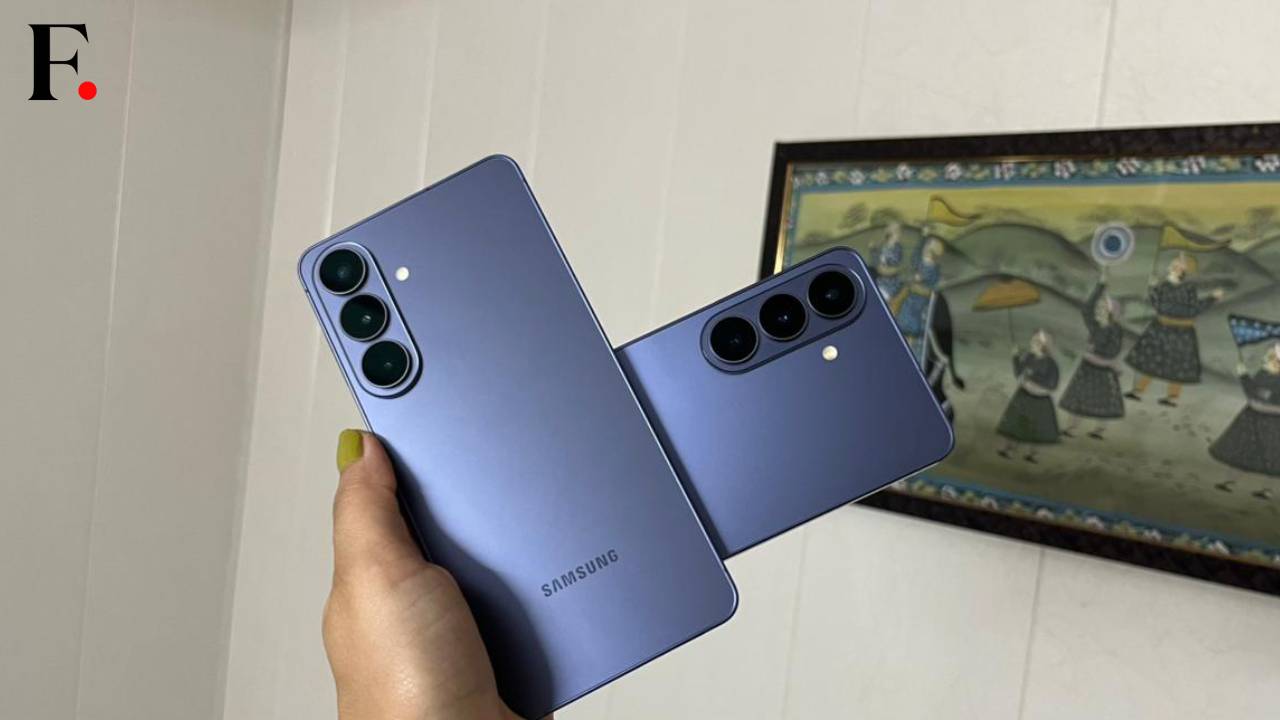
Personally, I prefer compact phones that are easy to handle. The Galaxy S26 fits perfectly in hand and is effortless to use with one hand, whether it’s replying to messages or clicking selfies. The same cannot be said for the Galaxy S26+. During my review period, I struggled to use it single-handedly and often needed a bag to carry it around. However, the larger display does make it better suited for gaming and binge-watching.
For context, the Galaxy S26 features a 6.3-inch display, while the Galaxy S26+ sports a 6.7-inch screen. Both panels are bright, vibrant, and deliver excellent colour reproduction, even under direct sunlight.
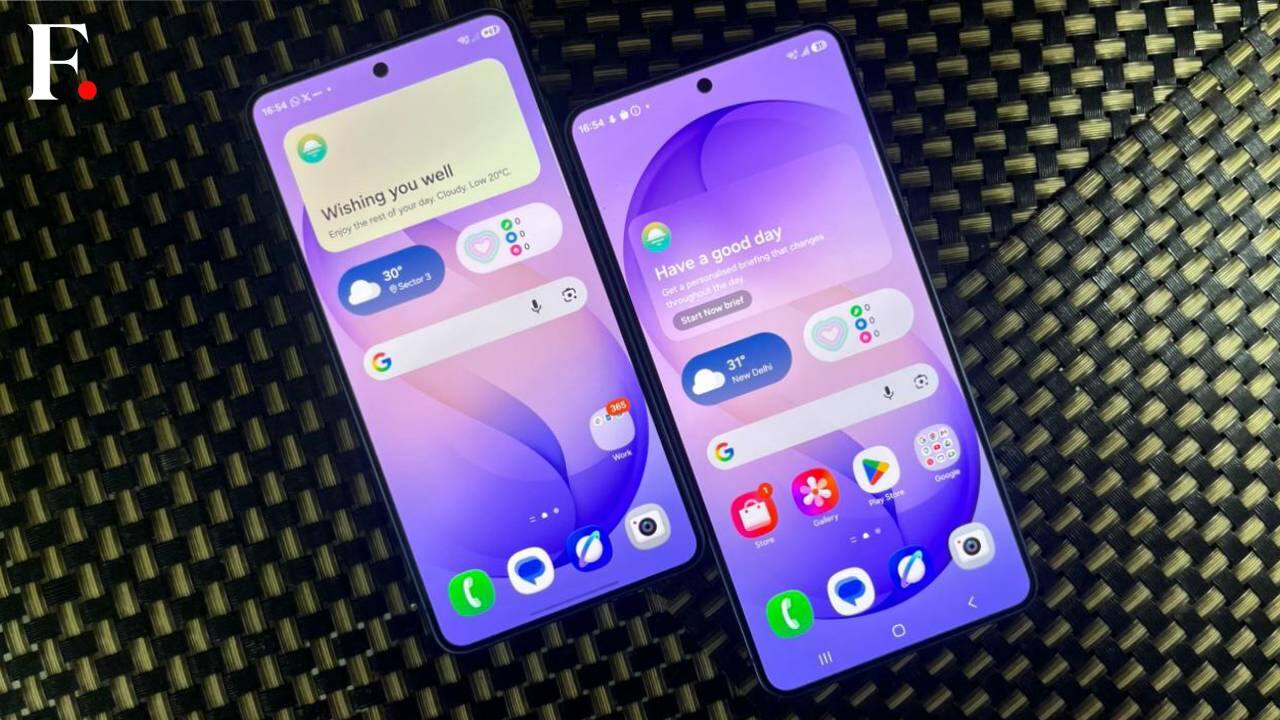
Whether it was scrolling Instagram, reading articles, or watching Netflix, the experience was consistently good. If I had to pick purely based on display, the Galaxy S26+ would be the obvious choice. But in terms of handling and ease of use, the Galaxy S26 clearly wins.
During my usage, I found myself using the Galaxy S26 for daily tasks like WhatsApp, Slack, and Outlook, while the Galaxy S26+ became my go-to device for watching FRIENDS on Netflix, reading features, and casual scrolling.
One thing I missed after using the S26 Ultra (review) was the Privacy display. It ensures notifications are visible only from a specific angle, and I expected at least the S26+ to include it. Unfortunately, Samsung seems to be keeping that feature exclusive to the Ultra for now.
Performance: Snappy, powerful and all about AI
Both the Galaxy S26 and Galaxy S26+ are powered by the Exynos 2600 SoC. Interestingly, Samsung has reserved the Snapdragon 8 Elite Gen 5 chipset for the US and China markets, while other regions get the in-house processor.
In day-to-day use, both phones feel incredibly smooth. Whether it’s texting on WhatsApp, scrolling Instagram, watching YouTube, or playing high-end games, the performance remains consistently solid.
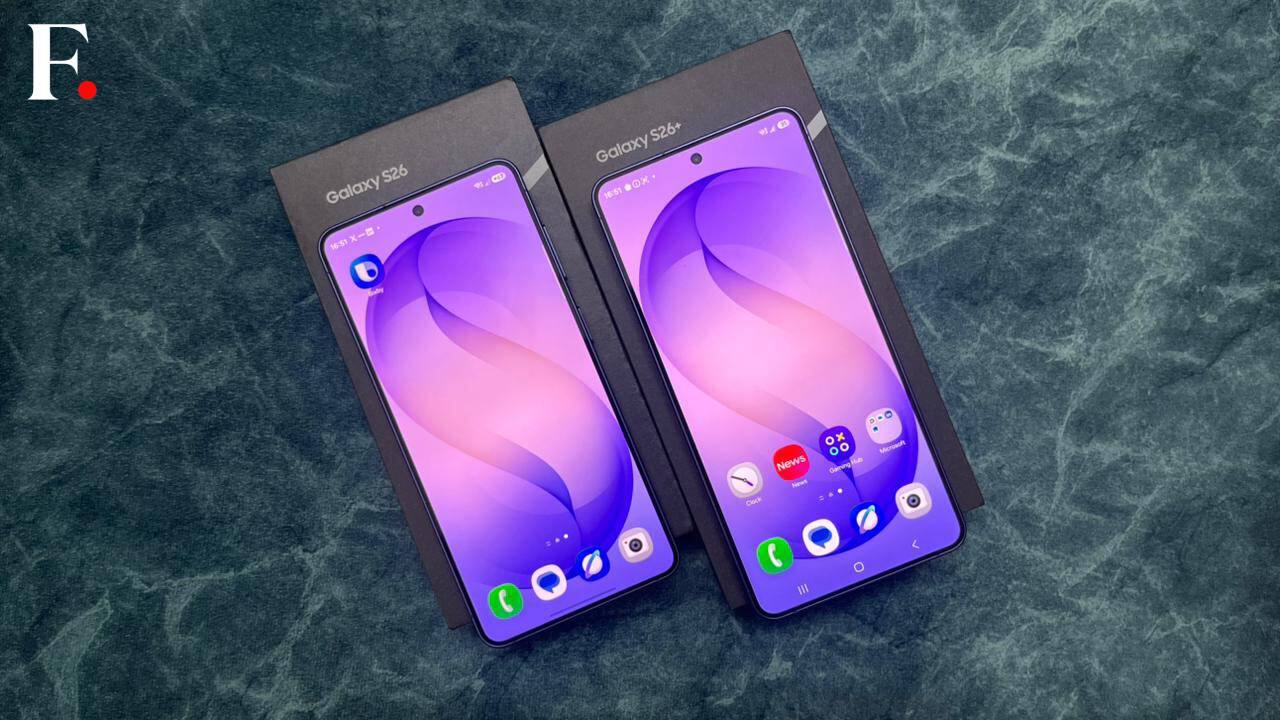
There were no noticeable lags, and multitasking felt effortless. However, like the Ultra variant, both phones do heat up occasionally. It is not uncomfortable or performance-impacting, but it is worth noting.
We also put the phones under benchmark tests to further testing. And here is what Geekbench results look like.
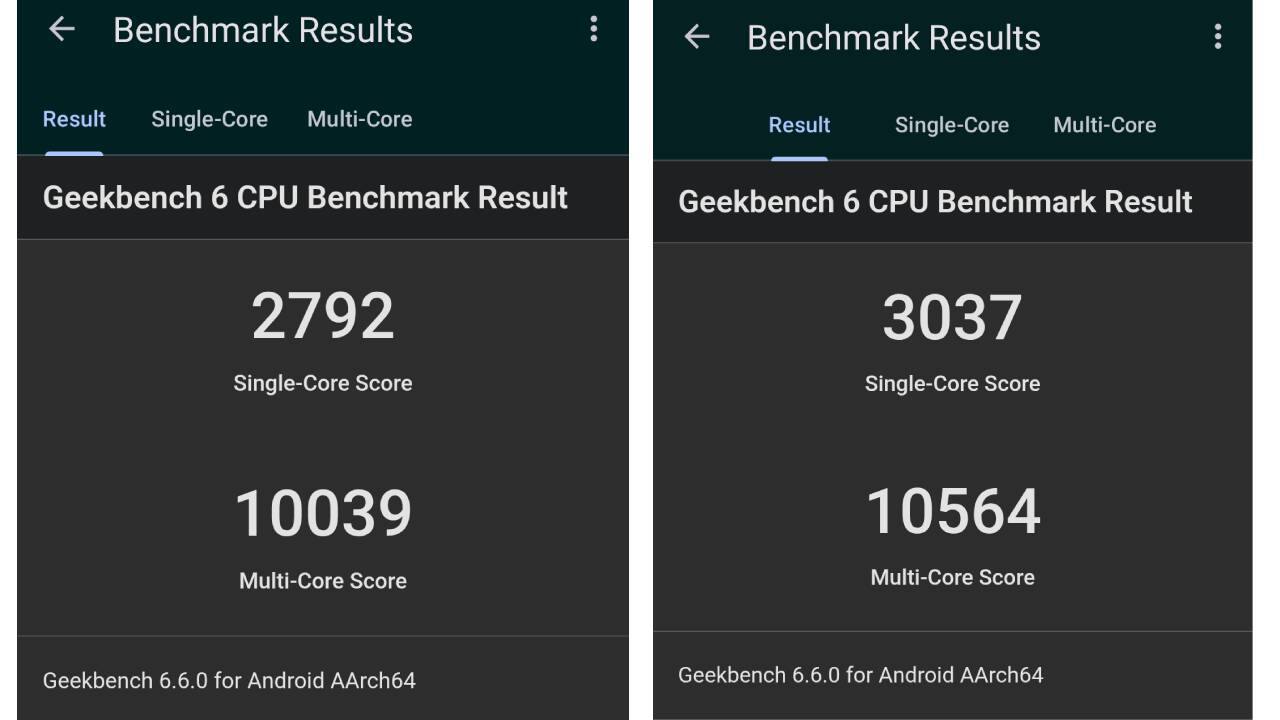
Both devices run on Android 16 with One UI 8.5 out of the box. The interface remains familiar, clean, and easy to navigate. Changes are mostly incremental, including a more customisable Quick Panel, a frosted-glass style floating tab bar in apps, and subtle 3D icon effects.
On the AI front, Samsung has packed in a wide range of features.
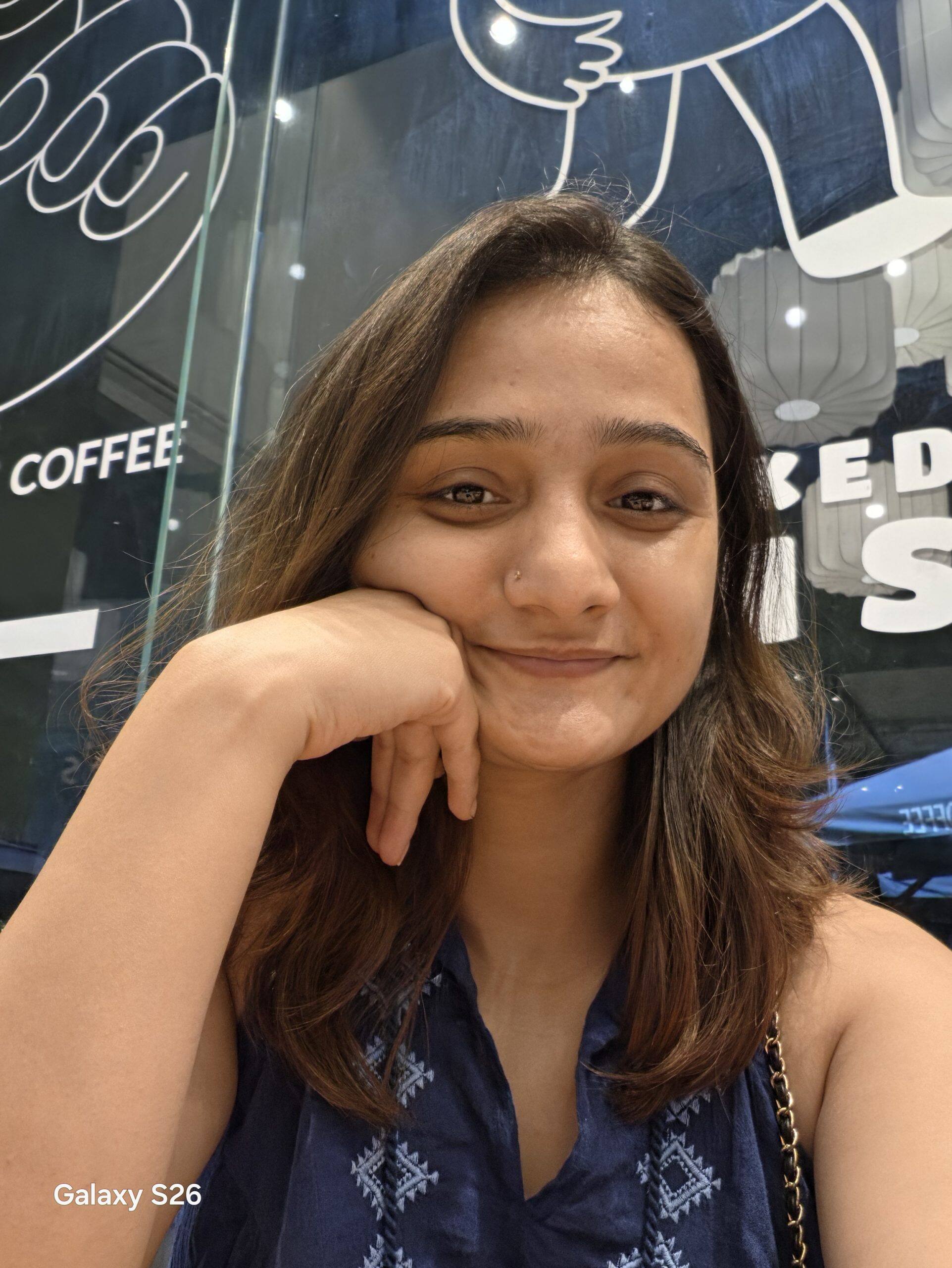
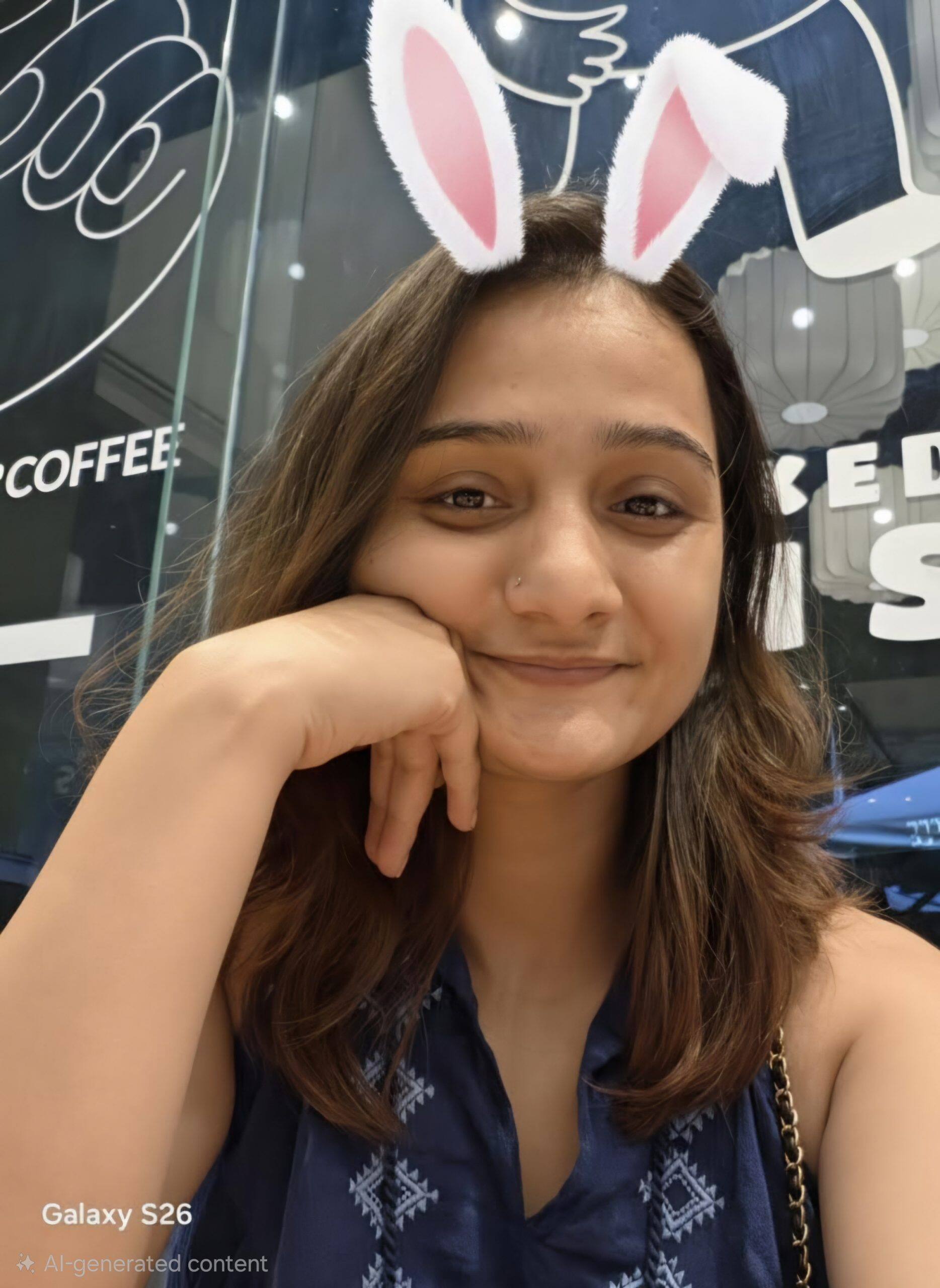
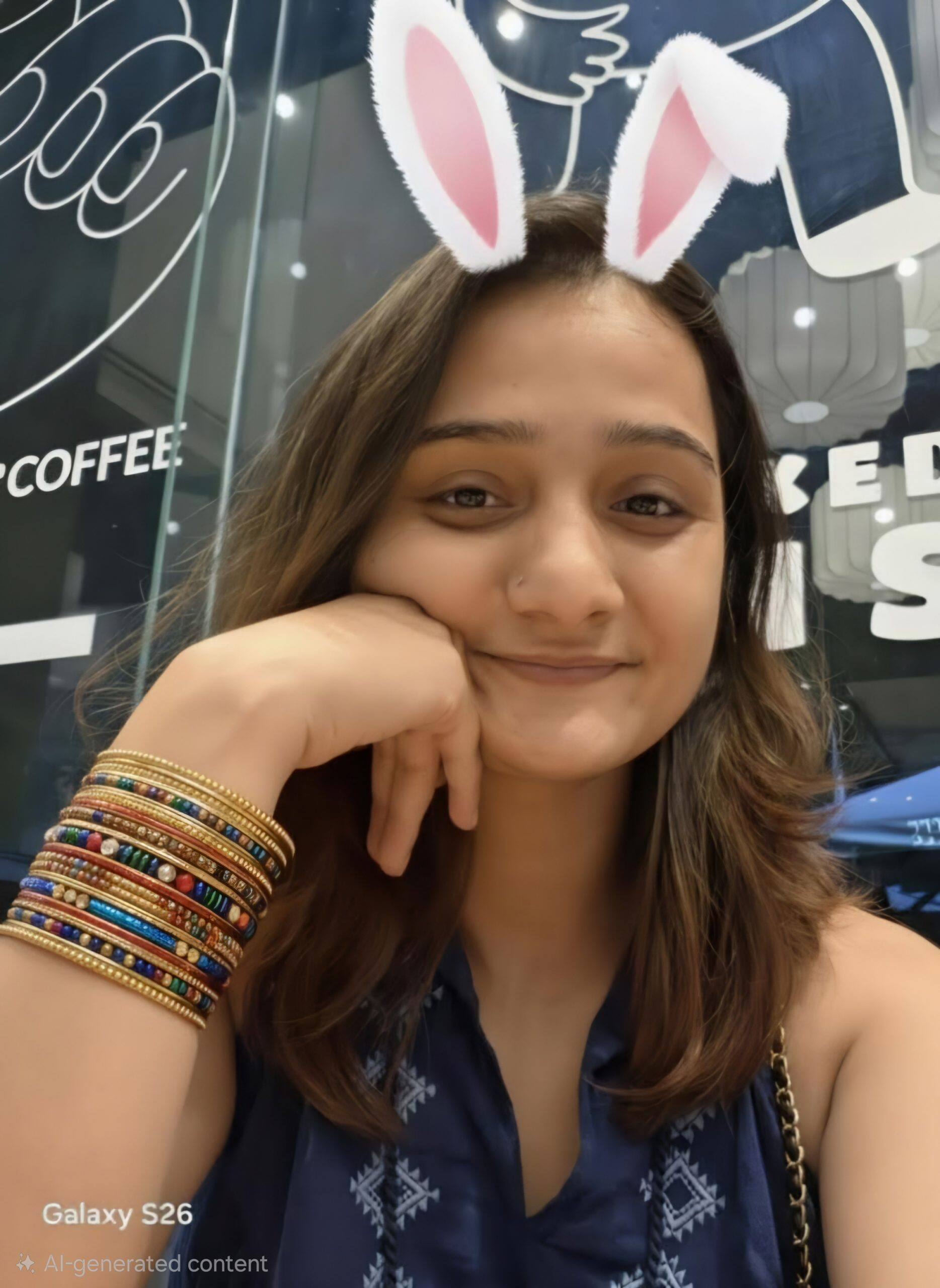
The upgraded Photo Assist tool is particularly fun to use. I experimented by adding bunny ears, bangles, and eyeliner to my images, and the results were impressive. However, repeated edits tend to smoothen image textures noticeably.
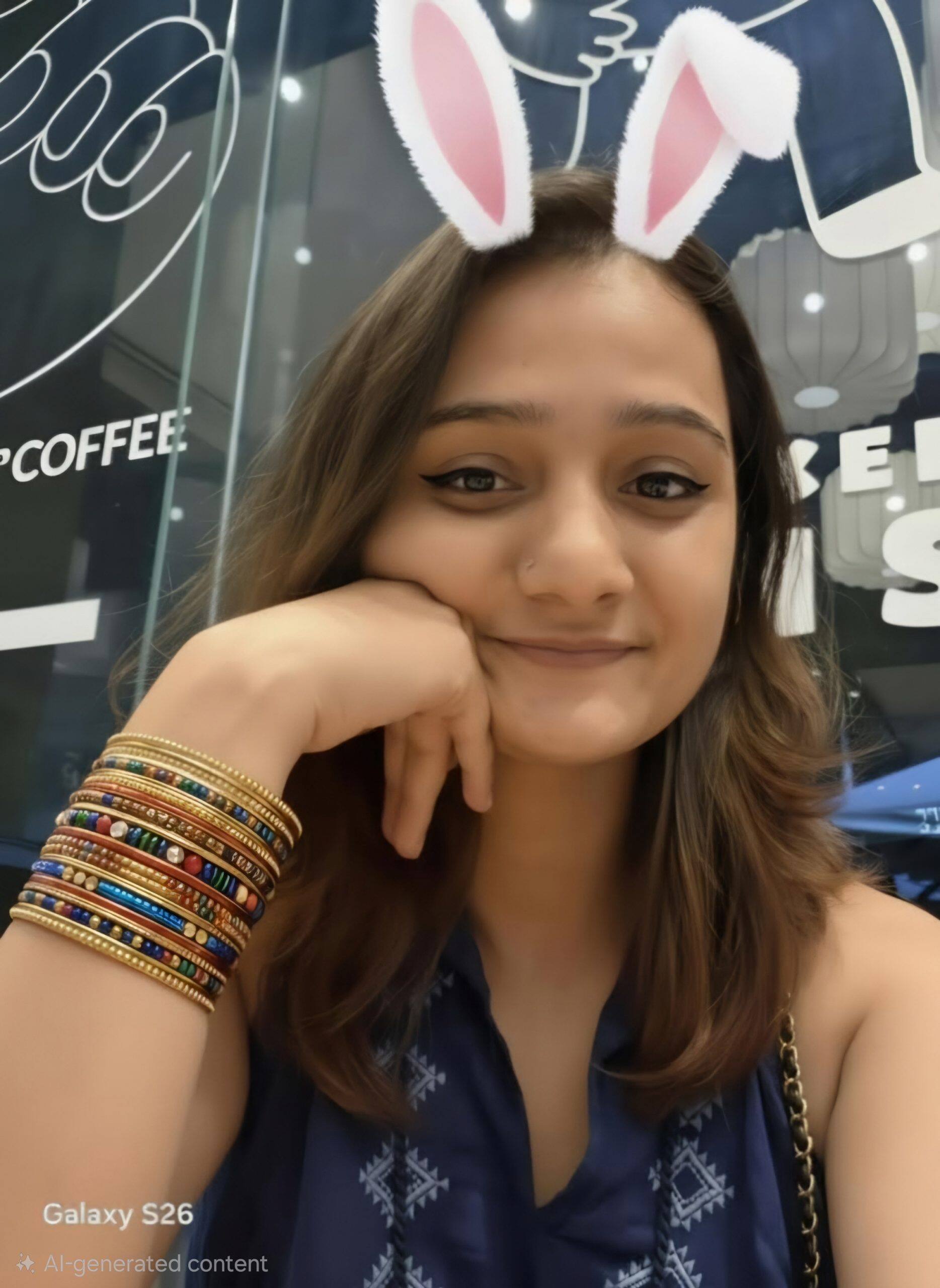
Another useful addition is Now Nudge, which offers contextual suggestions based on what’s on your screen. For example, it can prompt you to open the calendar when a date is mentioned or suggest making a reservation.
Bixby has also seen improvements, becoming more integrated and capable of handling system navigation and troubleshooting via voice commands, similar to Google Gemini.
The new Creative Studio app allows users to generate stickers, invitations, greeting cards, and wallpapers using AI.
Other features like Call Assist for real-time translation, Writing Assist for text improvement, and Audio Eraser for cleaning up video sound further enhance productivity. All of these features work smoothly and add meaningful value to the experience.
Battery: Slow charging, decent life
The Galaxy S26 comes with a 4,300mAh battery, while the Galaxy S26+ packs a 4,900mAh unit. Compared to the previous generation, there are no major changes here.
In my usage, both phones comfortably lasted a full day on a single charge. I typically needed to plug them in only the next day. However, heavy usage like binge-watching caused the Galaxy S26 to drain faster than the S26+.
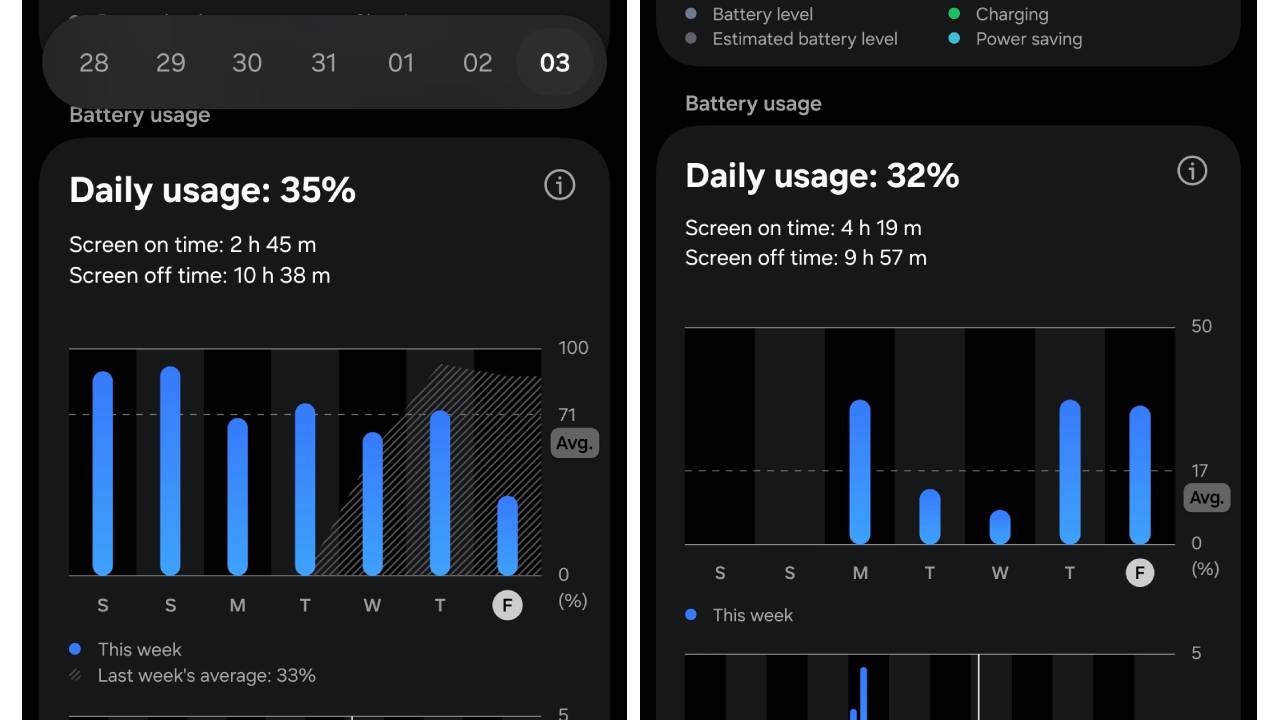
Charging speeds, however, remain underwhelming. The Galaxy S26 took around 1 hour 16 minutes to go from 8 per cent to 100 per cent, while the S26+ reached 85 per cent in about an hour.
While faster charging is available in competing flagships, I personally do not mind slower speeds as they help maintain battery health over time. And for purely selfish reason, I use this time to stay away from the digital world.
However, the lack of Qi2 support is disappointing. While wireless charging is supported, the phones do not magnetically align like MagSafe-compatible devices, making the experience less seamless.
Camera: Details and lighting on top
Both the phones feature a triple-camera setup on the rear: a 50MP primary sensor, a 12MP ultrawide lens, and a 10MP telephoto shooter. On paper, this setup may feel unchanged, but in real-world usage, it continues to deliver consistently reliable results.
Photos captured on both devices strike a fine balance between vibrancy and natural tones. Colours appear punchy without looking overly saturated, and the dynamic range is well maintained, especially in challenging lighting conditions.
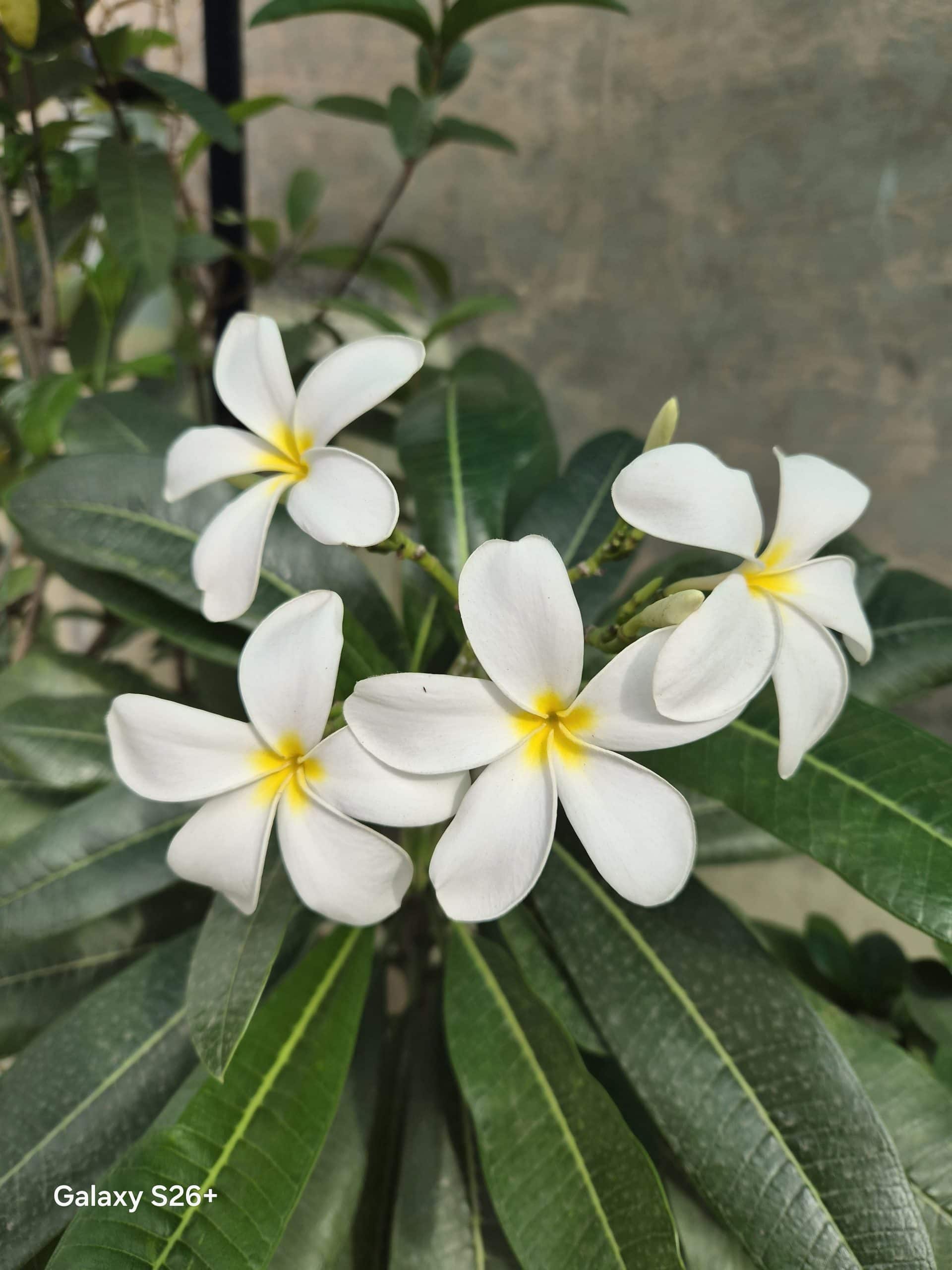
In daylight, the performance is particularly impressive. Images come out crisp, detailed, and rich in texture. Whether it is landscapes, close-up shots, or everyday moments, the cameras rarely disappoint. The consistency across different shooting scenarios is one of the biggest strengths here.

Portrait mode continues to be one of the strong suits. Edge detection is sharp and accurate, even in slightly complex backgrounds. The background blur looks natural, and the subject separation is clean, both on the rear as well as the front camera.
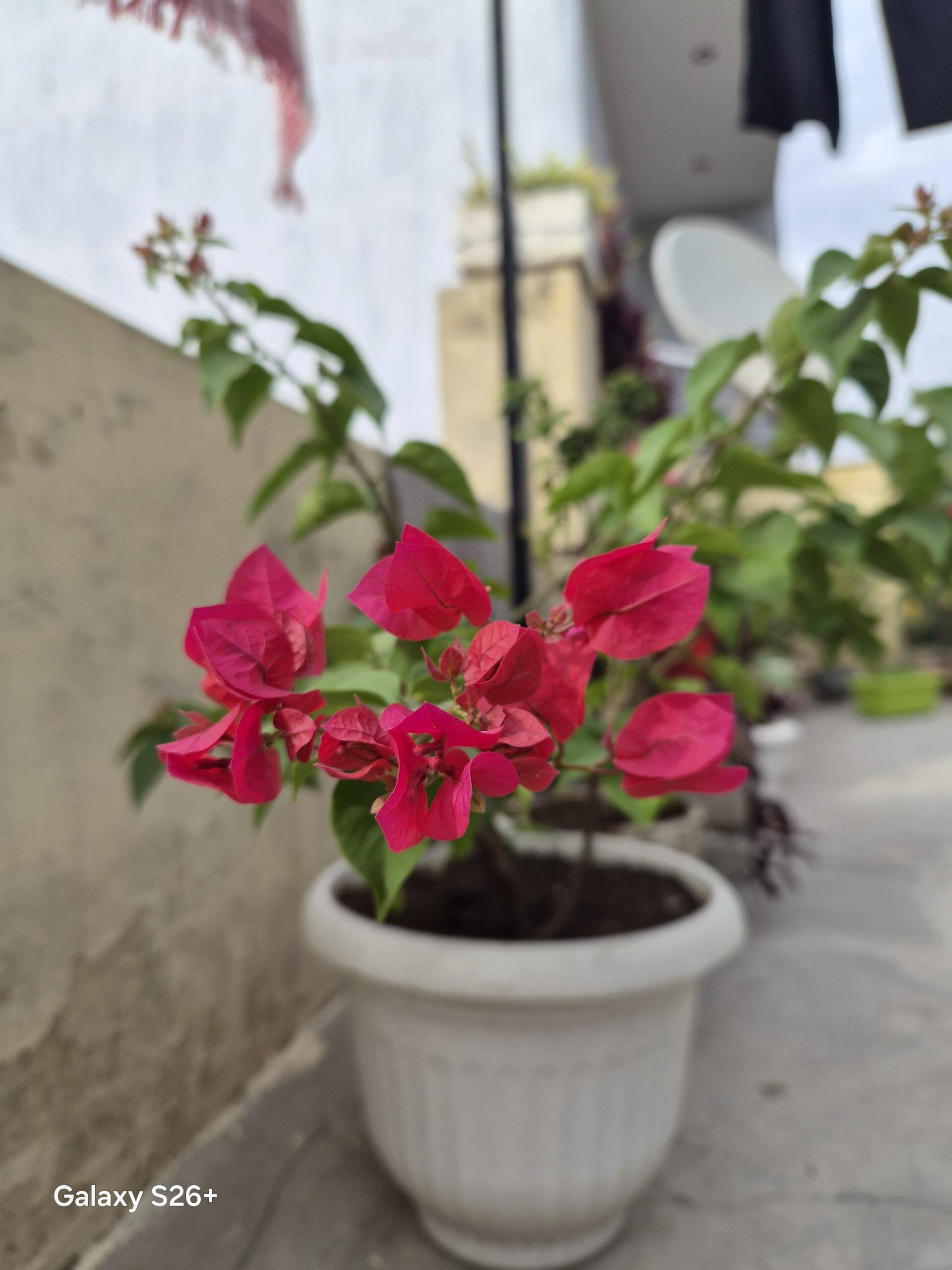
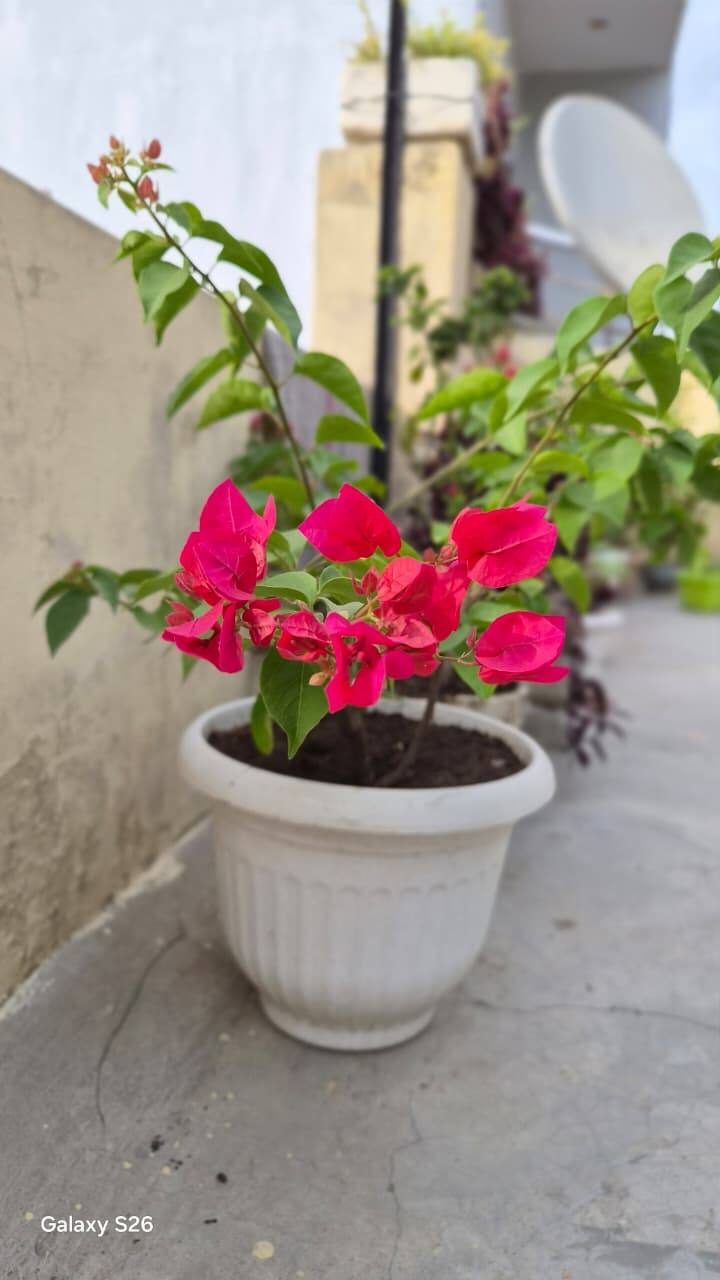
Low-light performance is another area where the phones hold up well. Images retain a good amount of detail with minimal noise, and the lighting is handled smartly without making the scene look artificially bright.
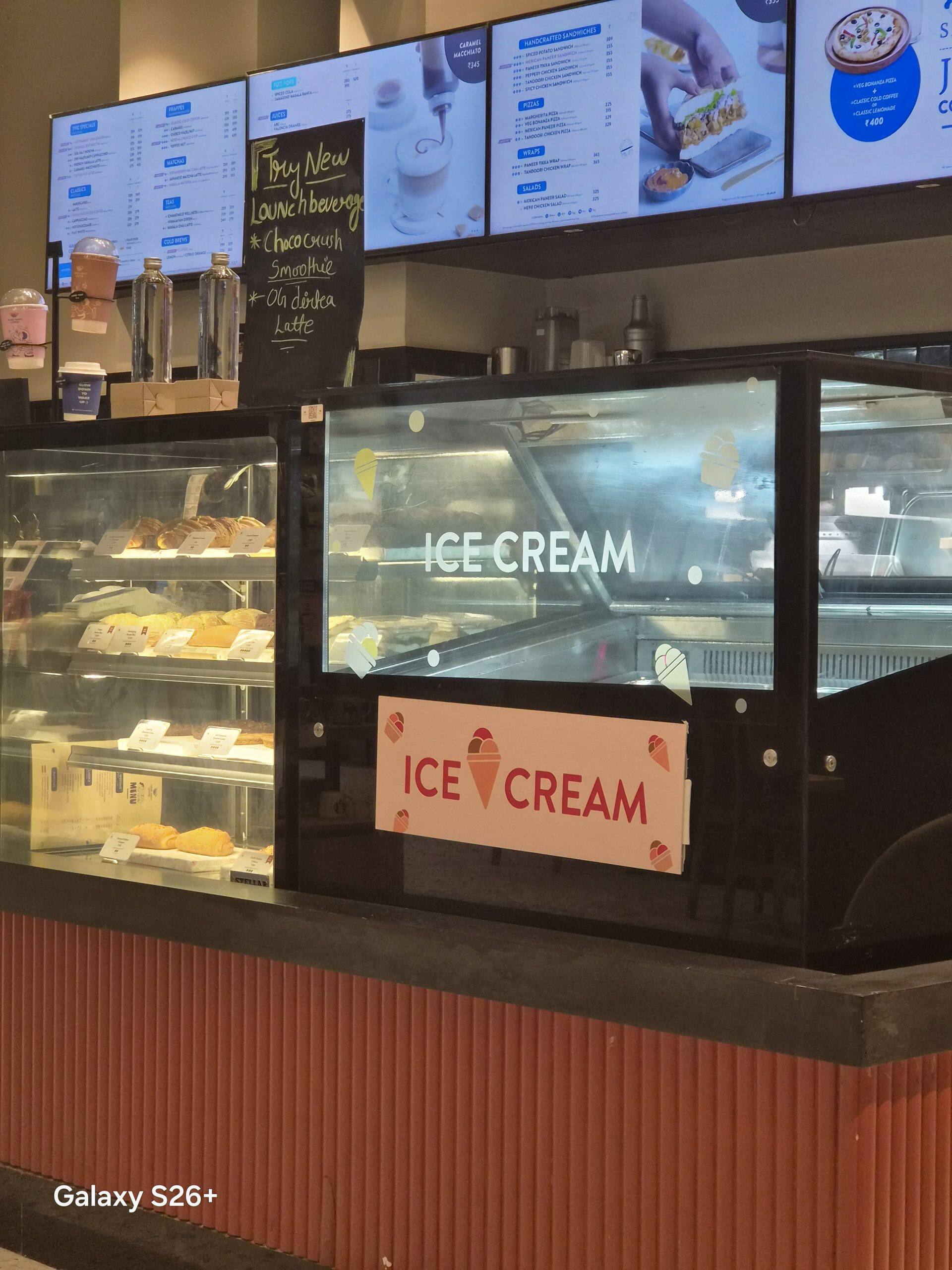

Night mode kicks in effectively, improving clarity without overprocessing the shot.
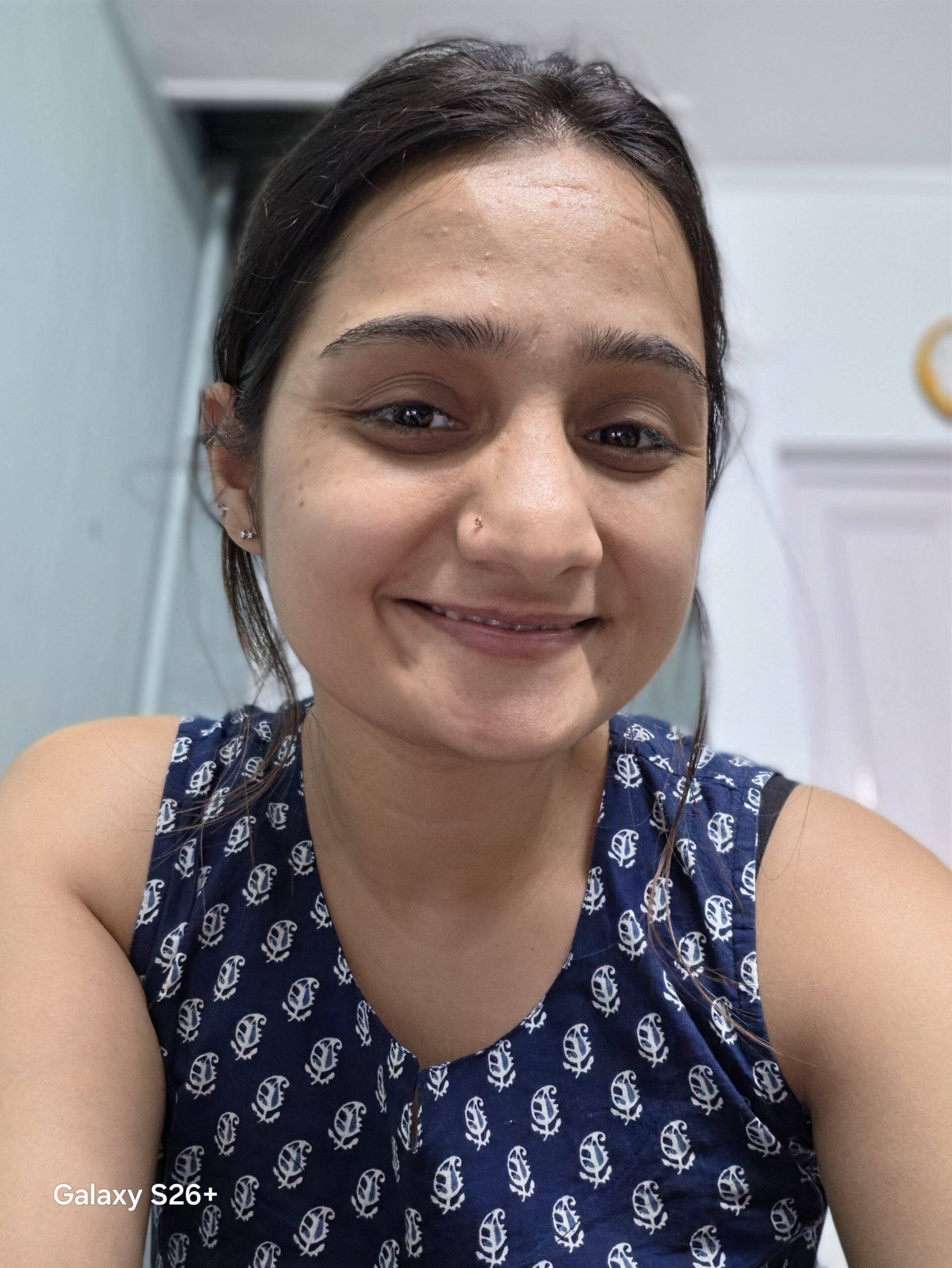
Coming to the front, the 12MP selfie camera is easily one of the highlights. It captures vibrant and social media-ready images, with colours leaning slightly towards the richer side. Greens appear deeper, skin tones are generally well-balanced, and the overall output looks pleasing without needing additional filters.
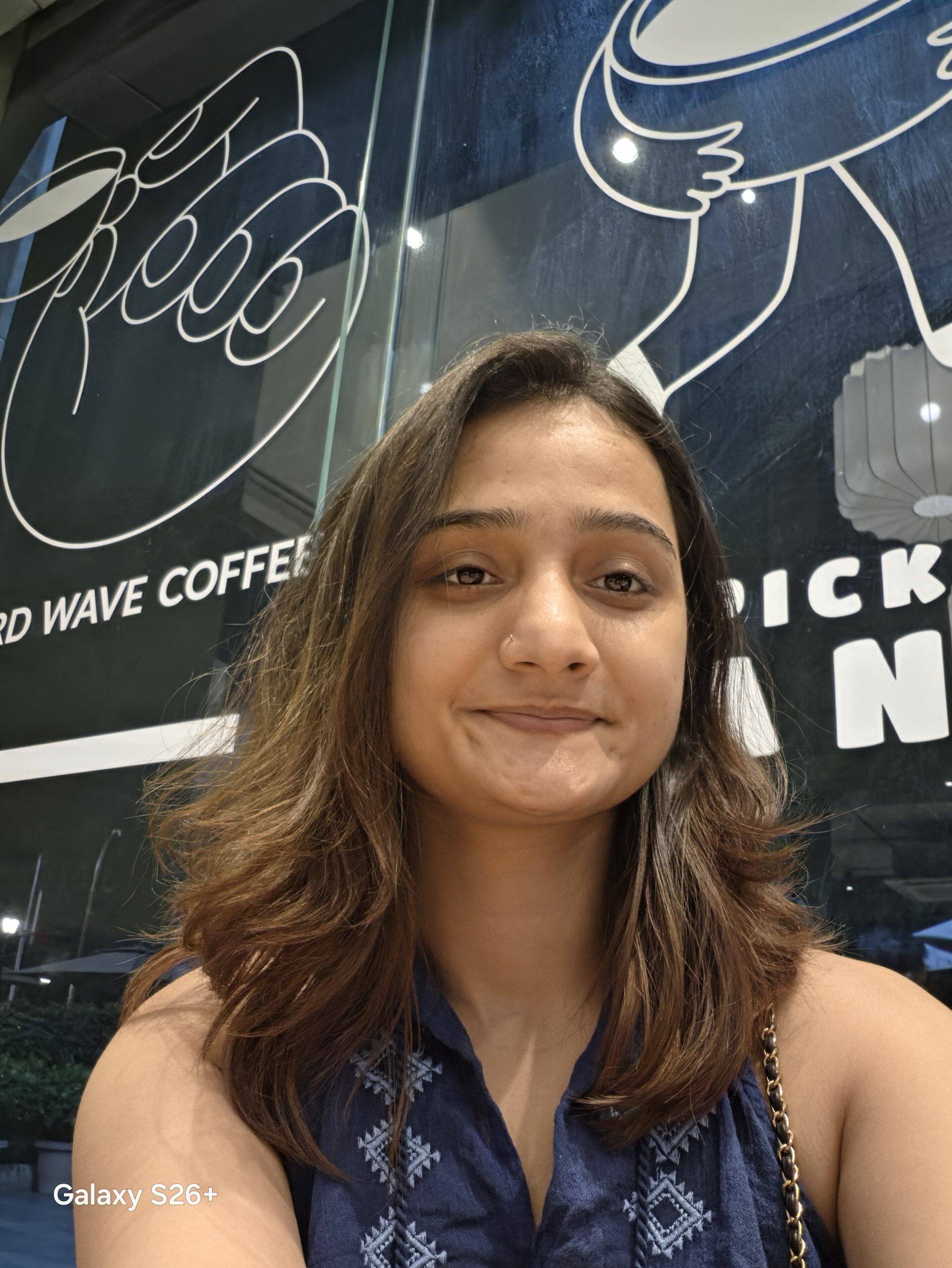
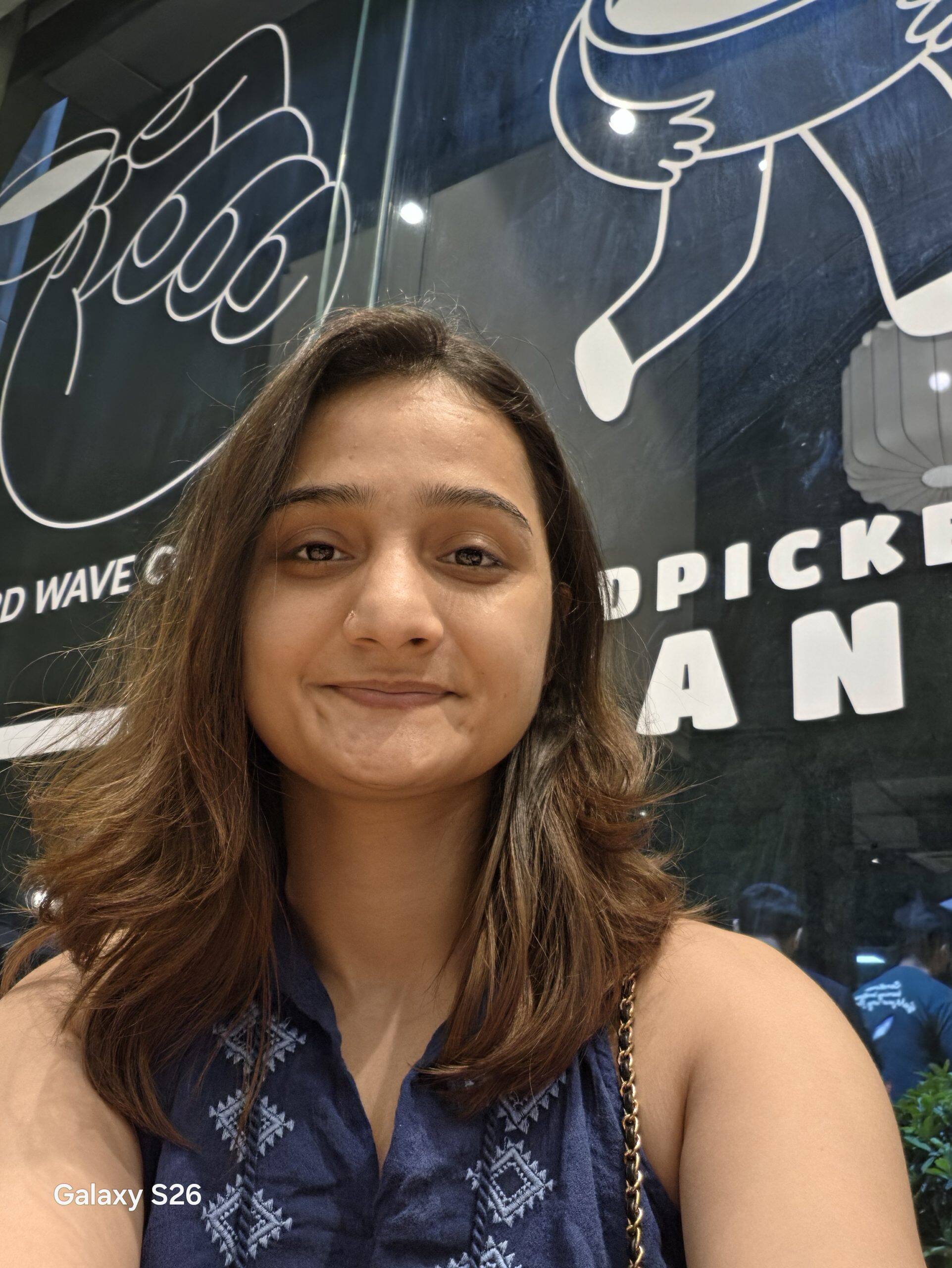
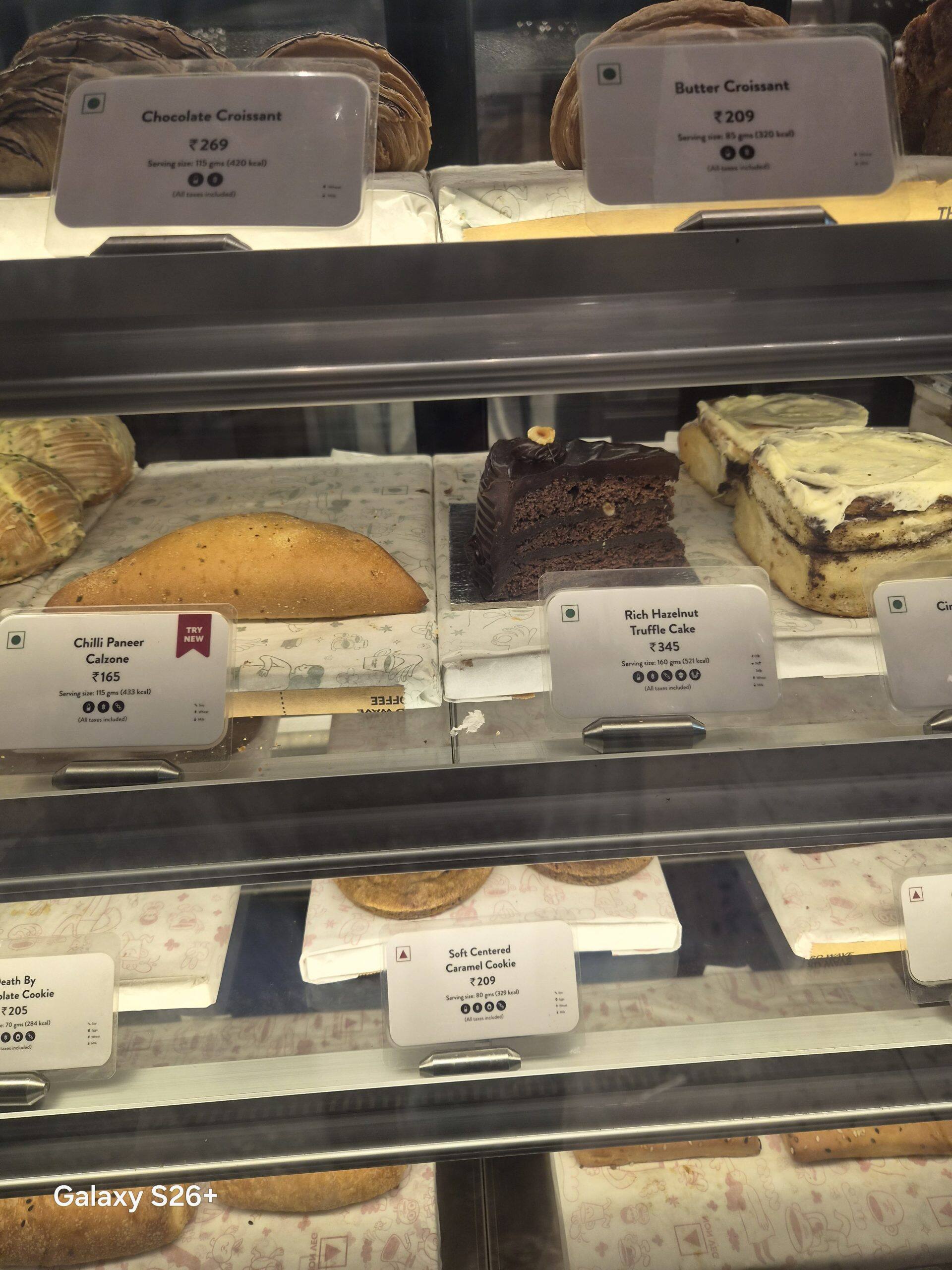
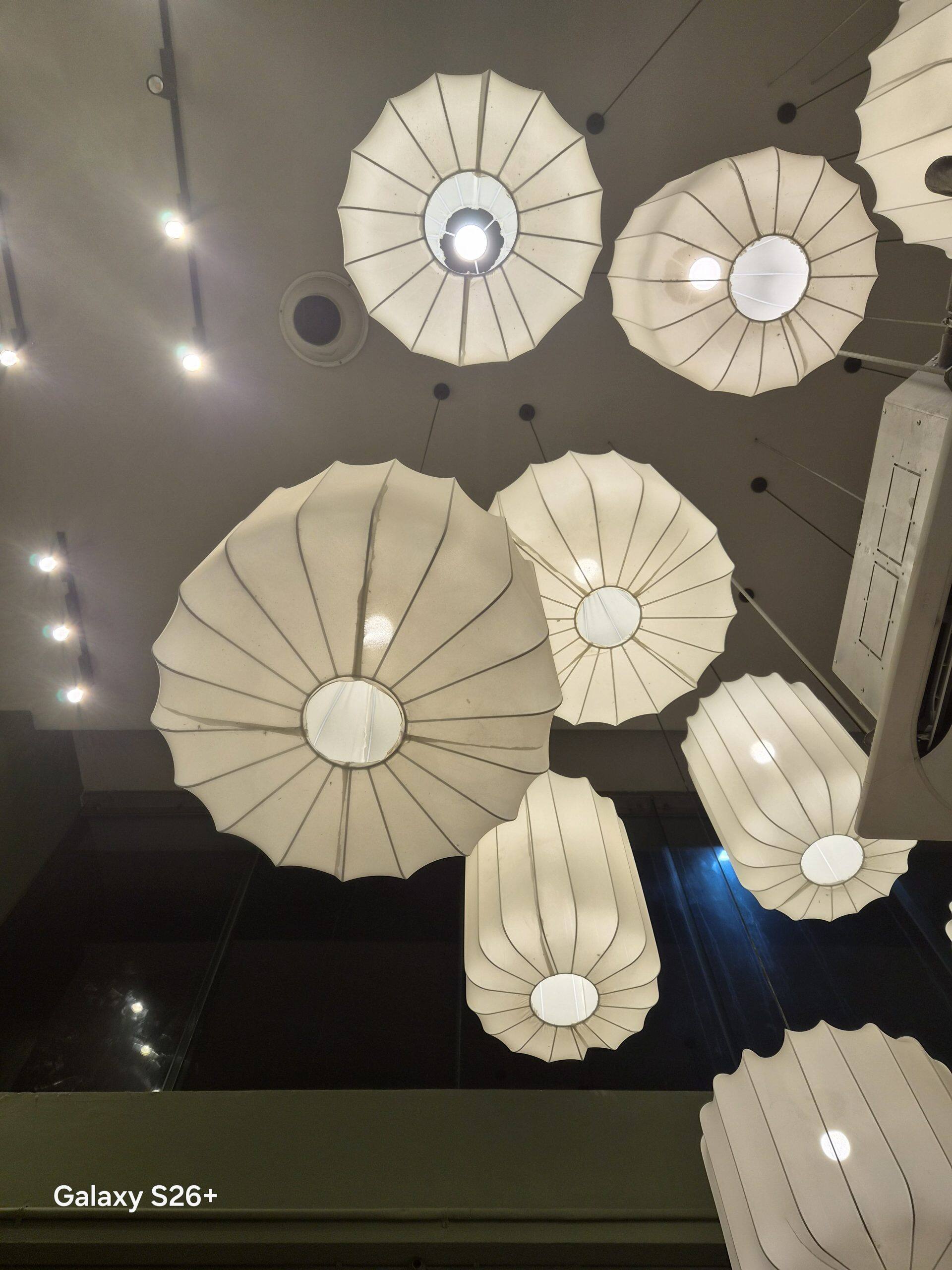
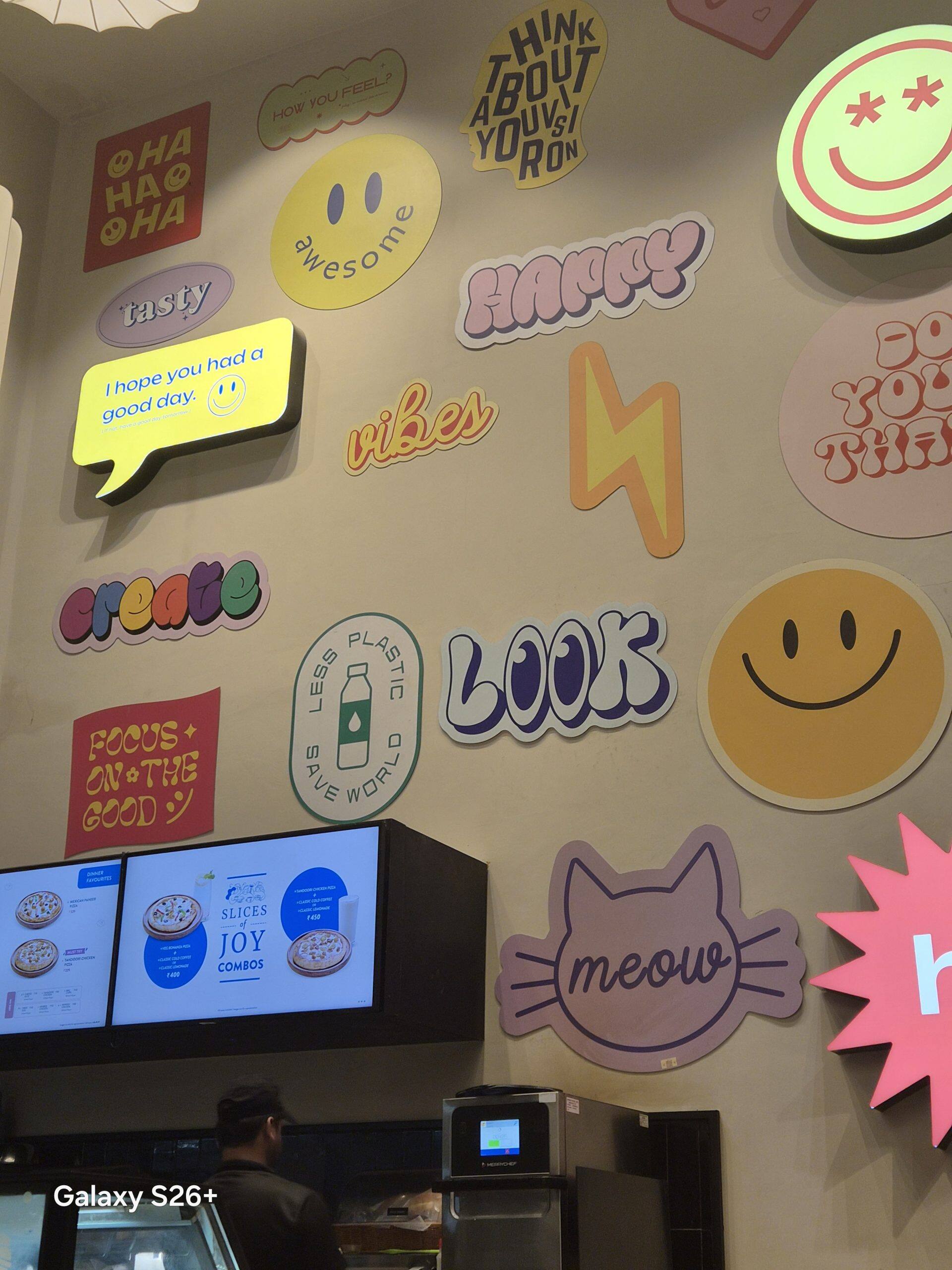
Here are a few pictures clicked by Samsung Galaxy S26:
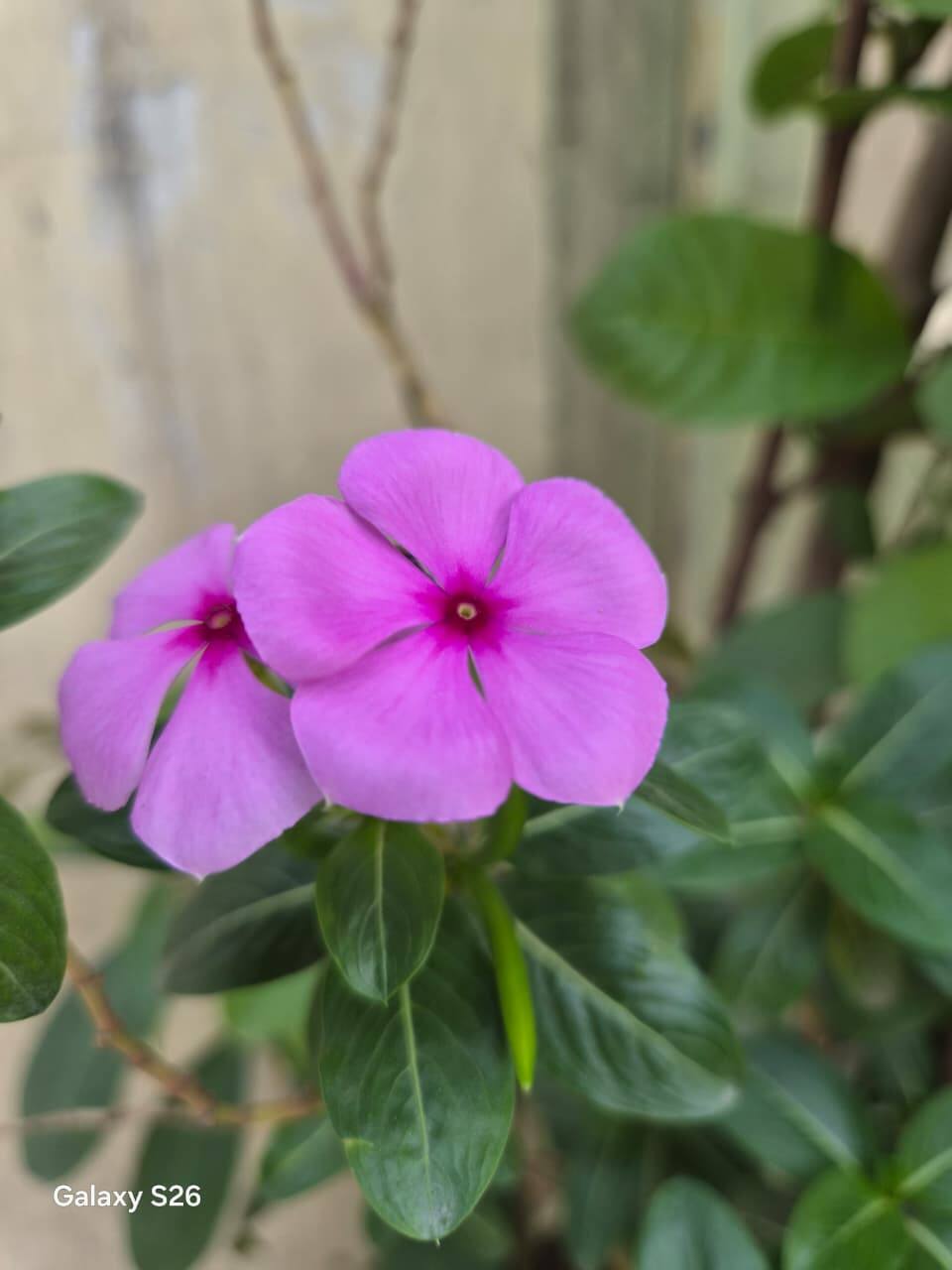





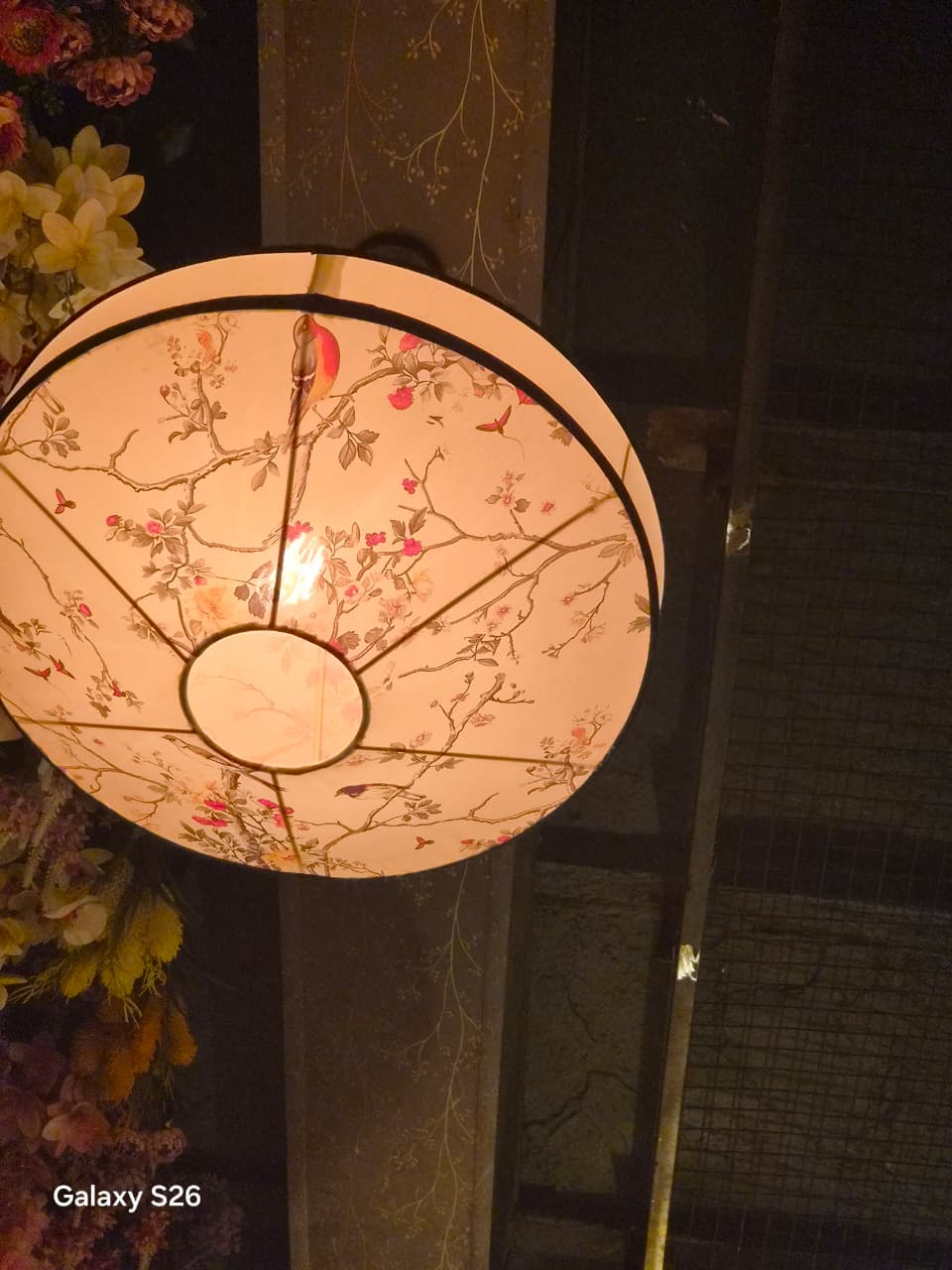


And Samsung Galaxy S26+.

Samsung Galaxy S26 and Galaxy S26+: Which one should you buy?
The Galaxy S26 and Galaxy S26+ may not be the most exciting upgrades, but they quietly get almost everything right. They are fast, reliable, and polished in a way that makes everyday use feel effortless.
Yes, the lack of major upgrades and the price hike can feel a bit disappointing, especially if you are coming from last year’s models. But if you are upgrading from an older device, both phones still deliver a solid flagship experience without any real compromises.
Choosing between the two ultimately comes down to your preference. If you want a compact, easy-to-handle phone that fits seamlessly into your daily routine, the Galaxy S26 is the one to go for. But if your usage leans more towards gaming, streaming, and immersive viewing, the Galaxy S26+ with its larger display makes a stronger case.
That said, there is one more thing to consider. At Rs 1,19,999, the Galaxy S26+ sits uncomfortably close to the Ultra. And at that point, stretching your budget a little further might actually get you a more feature-packed device.
Unnati is a tech journalist with almost half a decade of experience. She has a keen interest to cull out unique story angle. She reviews the latest consumer and lifestyle gadgets, along with covering pop culture and social media news. When away from the keyboard, you might find her reading a fiction, at the gym or drinking coffee.

Samsung Galaxy Fold 8 quick review: The new entry
Pova 8 review: Big battery, bold design—but is it worth the price?
Nothing Phone (4b) first impression: A unique design, bold specs and a question to ponder
Oppo Find X9s Review: A little less powerful but equally capable alternative to the Find X9
Samsung Galaxy A27 5G First Impressions: A budget phone with high-end potential