


Polar Loop Gen 2 Fitness Strap Review: A decent product in need of a competitive price tag
Also needs simpler data presentation in the companion app that tends to drown you in data.

Pros:
- 24/7 continuous heart rate monitoring and health tracking
- Lightweight and comfortable to wear all day
- Swimproof with WR30 water resistance
- Week-long battery backup
- Polar Flow app is quite insightful
- Two years warranty
Cons:
- Lack of display can be hard to adjust to (but it is not meant to have one)
- Sleep tracking is inconsistent
- Workout data syncs in a fragmented way at times
- Companion app can overwhelm you with information; needs a simpler UI
- Quite expensive
Rating: 3/5
Price: Rs 19,999
Whoop started the craze of screenless 24/7 fitness trackers. While it did well with the elite athletes and those aspiring to be one, its recurring subscription costs were anything but economical for the masses. That’s where other brands like Polar and Amazfit stepped in to provide a solution with a one time investment. The Polar Loop Gen 2 that we have for review today is one such product. What does it do, how well does it perform and is it the best alternative to Whoop? Let’s find out.
What exactly is the Polar Loop and how is it different from a regular fitness watch?
The Polar Loop is a fitness tracker that has one primary job - to continuously monitor your heart rate. It has a bunch of sensors like an optical heart rate monitor, accelerometer and Precision Prime sensor fusion tech developed by Polar to track heart rate, movement as well as skin contact measurement for more precise readings. And of course, there’s a battery to power it for days; all of the above in an inch-long body that fits into a compatible strap.
 More from Reviews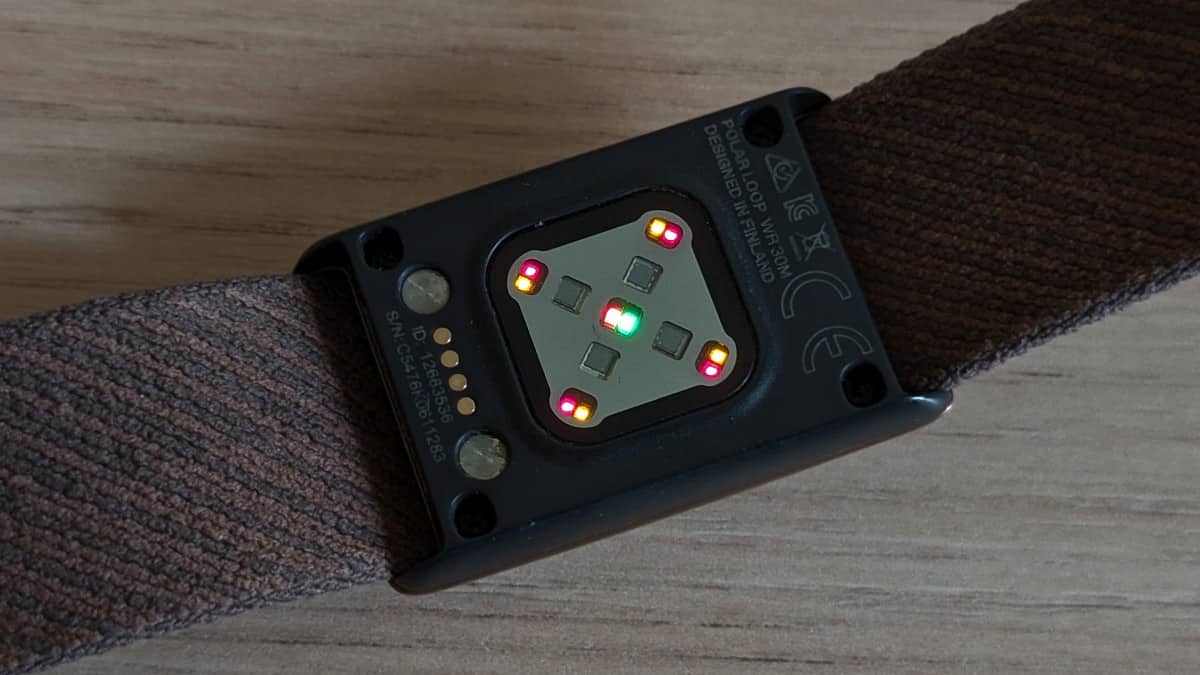
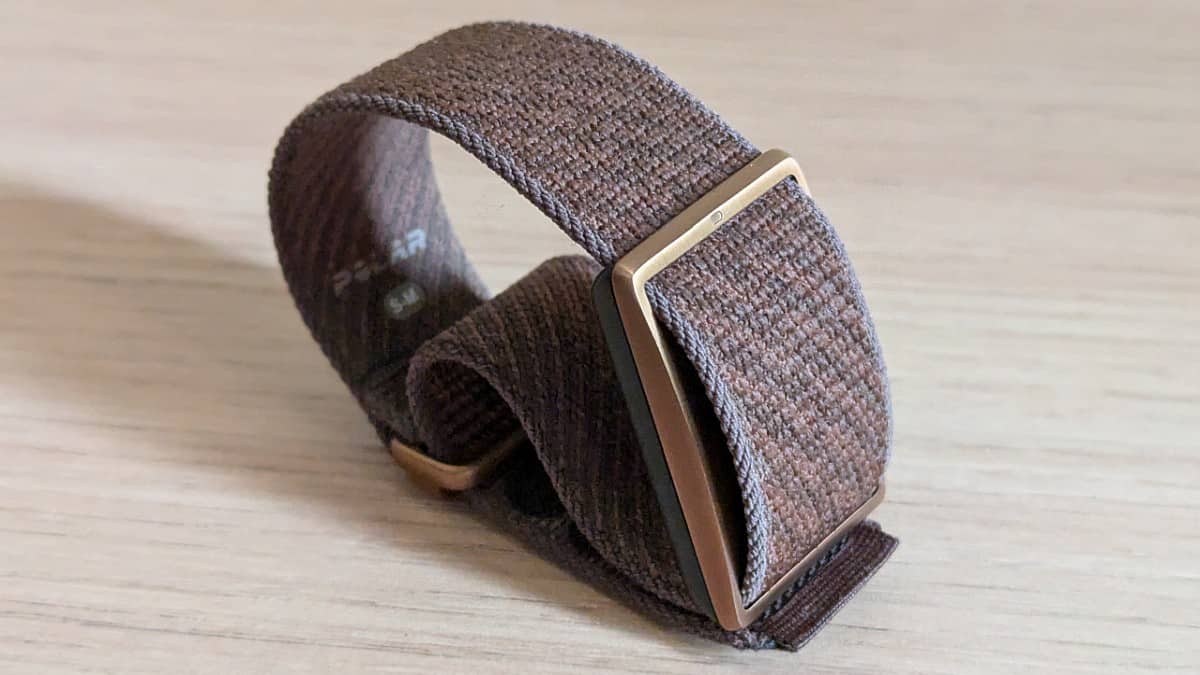
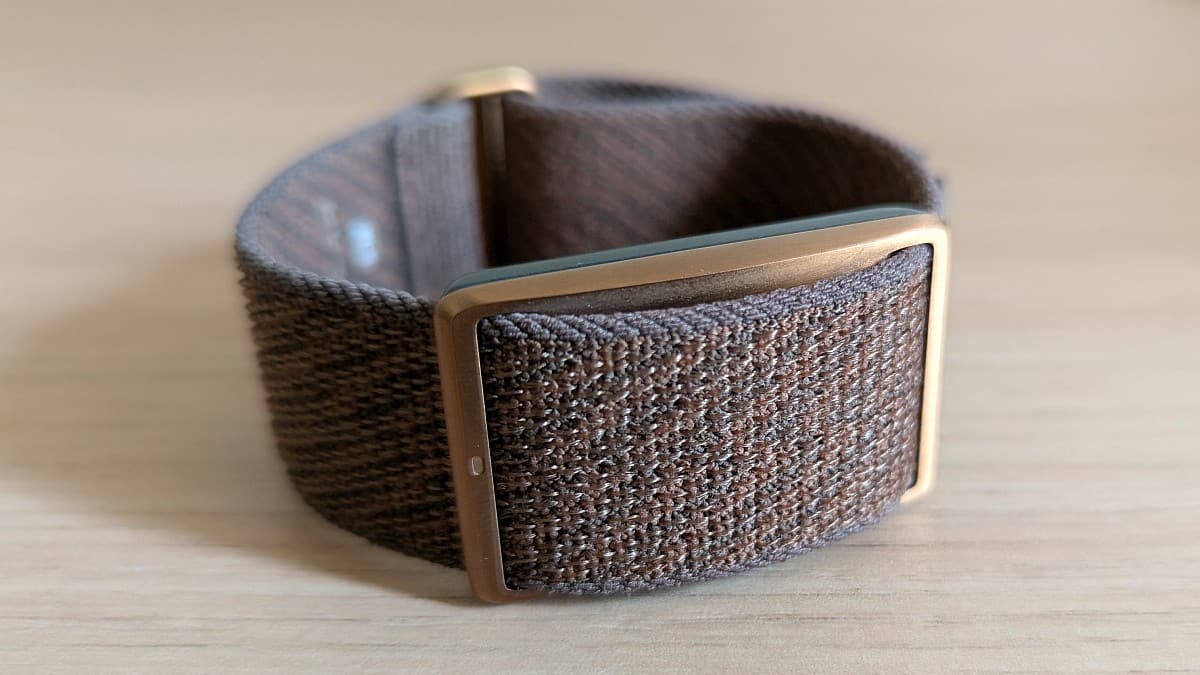
The tracker weighs less than 20 grams despite its stainless steel case and bezels, and the bundled nylon strap adds another 10 grams making its presence inconspicuous for the user. The default strap is elegant, largely skin-friendly and comfortable. However, it does retain dampness for a while if it gets wet, and things can get a little uncomfortable till it dries out. The Polar Loop Gen 2 comes in three colour variants as you can see in the image below.
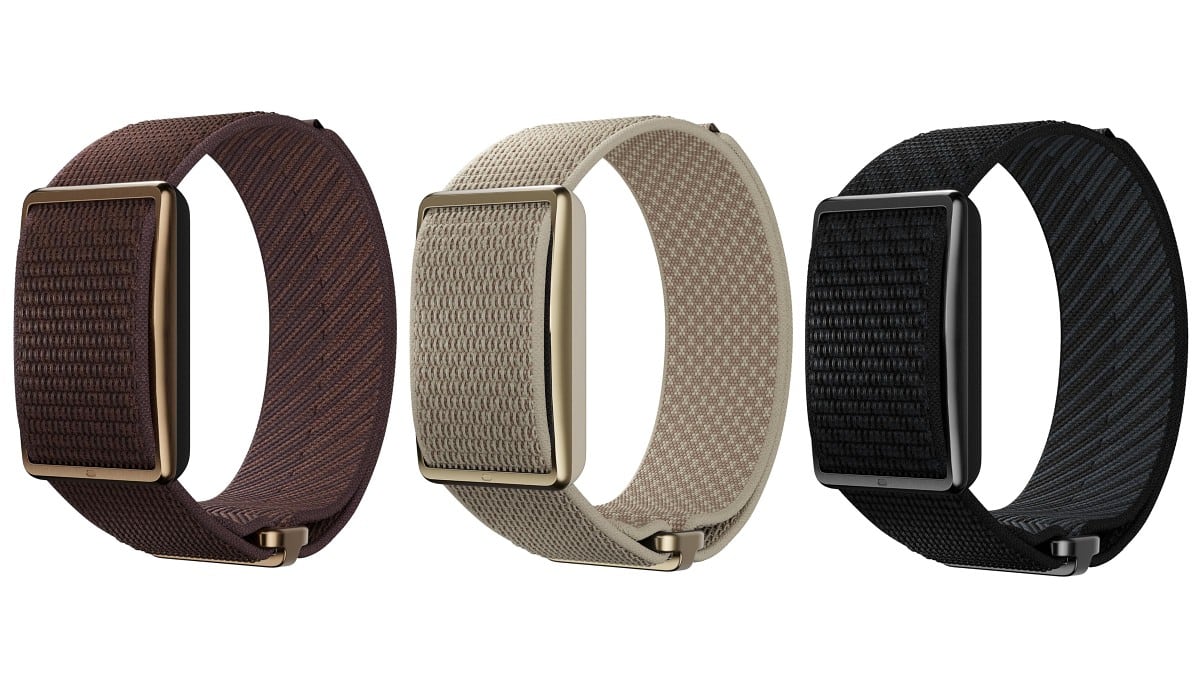
Unlike most fitness watches, this one does not have a display or buttons. It uses all its battery reserves for accurately tracking your heart rate and activities, the data for which you can access in the Polar Flow app. The tracker doesn’t have any battery-heavy hardware like an oximeter or GPS, though they would have been good to have. A lack of display can be hard to adjust to initially as you often tend to flick your wrist to check the time and other data and are met with nothing. But you can always wear a watch on the other arm.
Who should buy the Polar Loop Gen 2?
The Polar Loop is largely meant for athletes and those who are serious about their cardio training, and of course, the recovery process. It captures continuous heart rate every second and provides deep health insights ranging from steps walked, calories burnt to sleep quality and recovery. Unlike Whoop, you do not need to buy a subscription to get the insights. The Polar Flow app that you need to sync this strap with does it for you. The app gives a lot of information; a bit too much if you ask me. More on that in a bit.
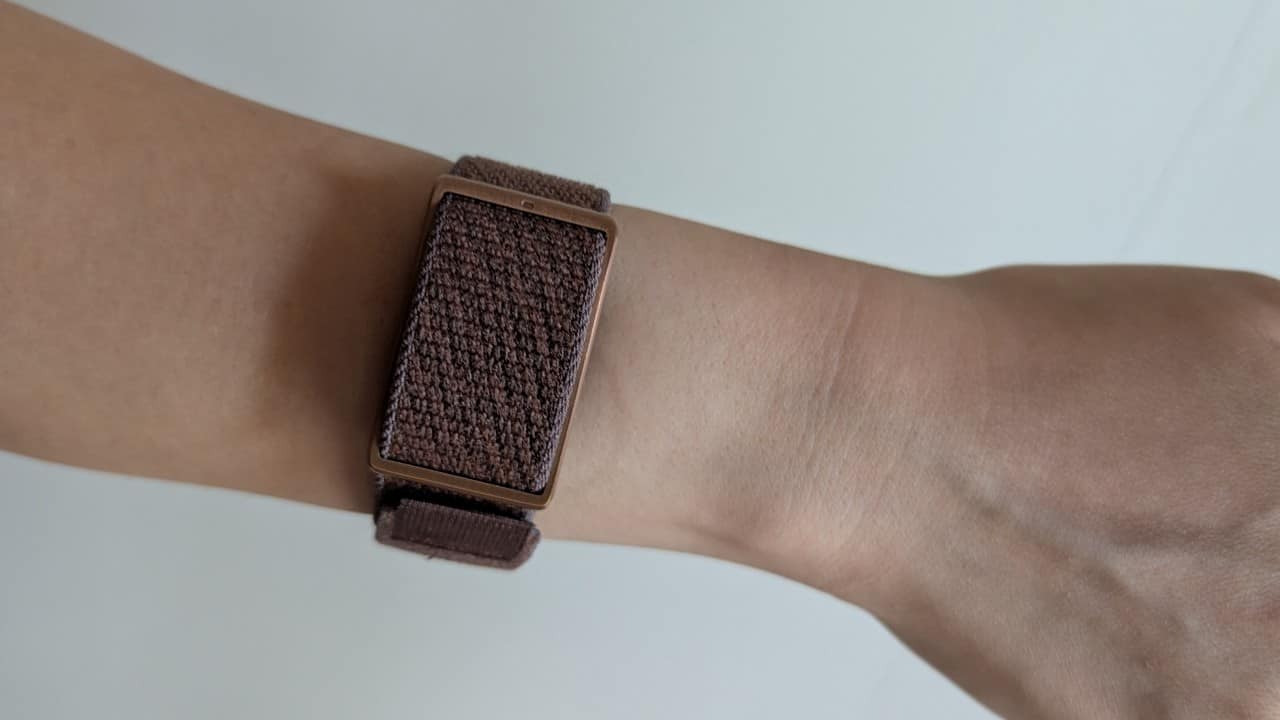
Another use case of these screenless fitness trackers that nobody advertises is that they solve a dilemma people have been facing lately. A lot of fitness watch users have been longing to go back to their good old analog time pieces. Wearing both makes one look silly but not if you have something like a Polar Loop on one arm and an analog watch on the other. If you wish to conceal the tracker, you can wear it on your bicep under the sleeve; it tracks as efficiently. In fact, the company bundles a strap extension to let you do that.
How well does it perform?
As I mentioned earlier, the Polar Loop Gen 2 measures your heart rate every second and hence provides more data points for health tracking; most fitness watches track it a lot less frequently unless you start a workout. As a result, it provides deeper insights into your activity as well as recovery - an equally important part of fitness. Other than your active and resting heart rates and calories burned, it also tracks sleep quality and quantity with a further breakdown of sleep stages, cardio load and more.
The sleep tracking here, while detailed, feels a little inconsistent at times. For 75% of the time, the sleep duration seemed accurate with the right sleep and wake up times, but there were days when it was off by an hour or two, as compared to other popular fitness watches I was wearing at the same time like the Amazfit Balance 2. Yes, I wear two watches to sleep while testing one - an occupational hazard. The duration of deep sleep was also consistently lower on the Polar Loop.
The auto-detection of workouts is not that great here, but that has been the case with most screenless trackers I have tested, including the Amazfit Helio. It does detect the physical activity but it tends to report it as multiple smaller workouts if your heart rate drops below a particular threshold. The same is applicable for strength training sessions in the gym as well as brisk walks.
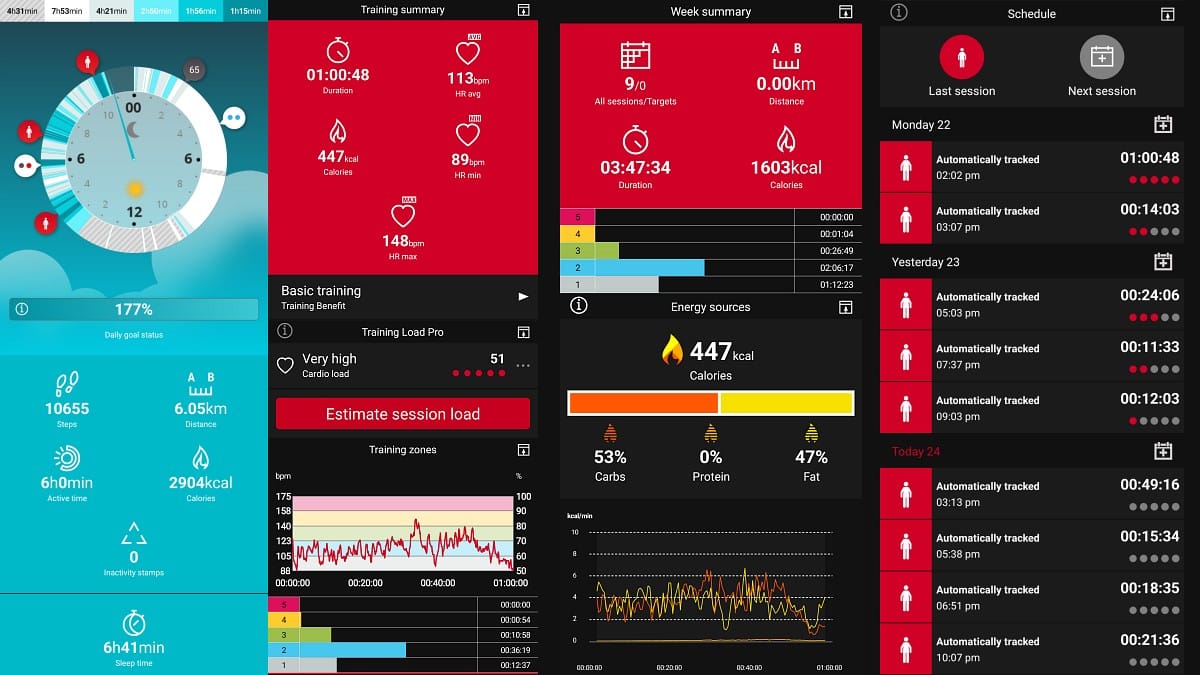
For instance, a 6 km hour-long walk was treated like two activities of 16 and 18 minutes, while a brief walk to the station and the subsequent metro ride was deemed as a 49 minutes workout. On the topic of walks, the pedometer here works well with the steps count and distance tracking in the same ballpark as GPS enabled fitness watches (yes, I was wearing two devices again).
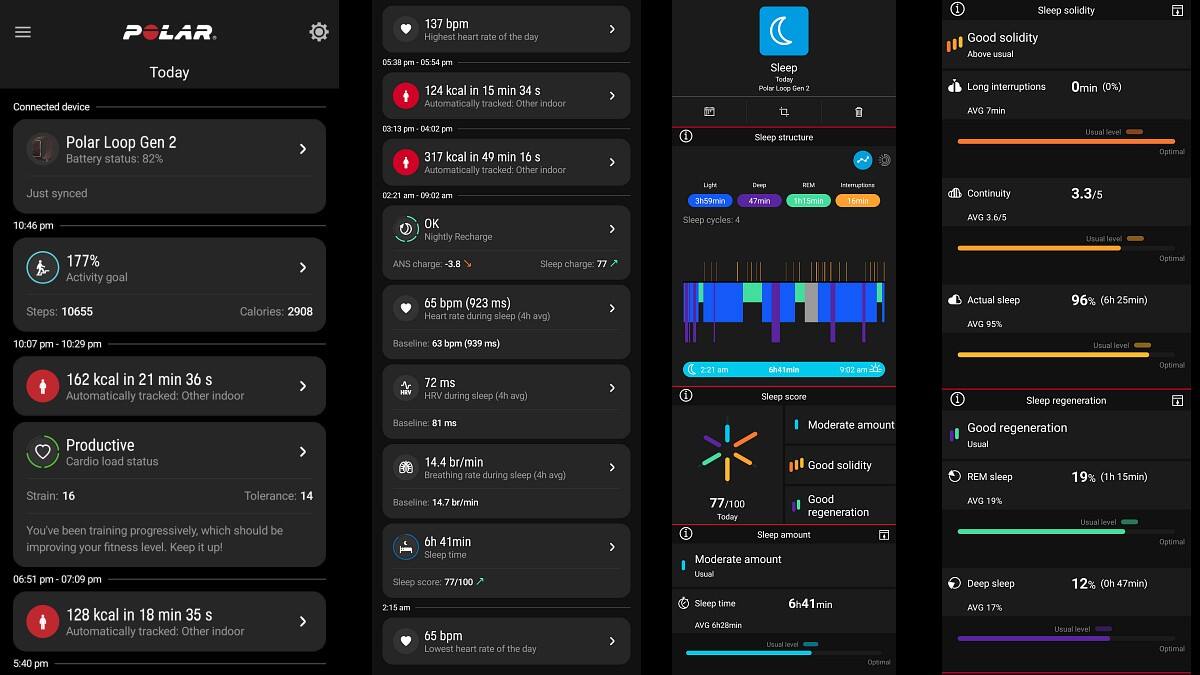
As for the Polar Flow app, it does present you with a lot of data and breakdown of activities and sleep. While that’s a good thing, the presentation could have been a little simpler. At the moment, the focus seems to be on being flashy rather than simple, and the abundance of data tends to overwhelm you. Presenting it in a layered manner - displaying fewer parameters and allowing the user to go deeper if interested - would have been a better approach in my opinion.
What is the battery life of the Polar Loop?
The Polar Loop Gen 2 is fitted with a 170 mAh Lithium Polymer battery that lasts for a little over a week on a full charge, which is perfectly acceptable. We noticed something weird, where the battery tends to drain faster if you do not wear the band for a day or two. The sensors try to track your activity even when you aren’t wearing it, I suppose. It is something the company can fix in a future firmware update. A 2-pin charging head that plugs into any USB-C charger is bundled along. It charges the tracker fully in about 90 minutes.
Polar Loop Gen 2: Price, verdict and alternatives
The Polar Loop Gen 2 is priced at Rs 19,999 in India with two years warranty. That is quite steep given its performance and the options available. Now, if you just focus on Whoop (which I believe the company did), the Polar works out to be a cost-effective alternative, given that you do not need to spend more on any subscription to analyse the captured data.
On the other hand, given the presence of bands like the Amazfit Helio that does all of that and a little better for half the cost, it is hard to recommend the Polar Loop Gen 2 for its current selling price. The soon to launch in India, Fitbit Air is also expected to be significantly cheaper than this Polar tracker. But we will reserve our judgement on the Fitbit till after we have tested it. For now, the Polar Loop Gen 2 badly needs a price cut.
Tags

Samsung Galaxy Fold 8 quick review: The new entry
Pova 8 review: Big battery, bold design—but is it worth the price?
Nothing Phone (4b) first impression: A unique design, bold specs and a question to ponder
Oppo Find X9s Review: A little less powerful but equally capable alternative to the Find X9
Samsung Galaxy A27 5G First Impressions: A budget phone with high-end potential