


Fujifilm Instax Mini 13 review: A retro camera for the Instagram generation
The Fujifilm Instax Mini 13 is not trying to outdo your smartphone. Instead, it brings back the joy of physical photographs with a simple design, fun shooting experience and instant prints. While film costs remain high, the nostalgia and excitement make it a compelling companion for memories.

Pros:
- Design
- Portability
- Selfie timer
Cons:
- Always-on flash
- Film cost
Rating: 3.8/5
Price: Rs 8,499
There was a time when every family holiday involved a dedicated camera. I still remember my father carrying one on trips and carefully capturing moments throughout the day. The fun did not end with taking the photographs. We would eagerly wait for the prints to be developed and then gather around to see what had been captured.
That was before digital cameras changed everything. Suddenly, photographs could be viewed instantly. Fast forward to today, and smartphones have become powerful cameras capable of producing impressive results with minimal effort. Yet, despite all this technological progress, instant cameras have managed to hold onto their appeal.
They may not be for everyone, but there is no denying that Polaroid-style photography continues to attract a loyal following. Over the past few weeks, I have been using the Fujifilm Instax Mini 13 to understand where it fits into today's world and whether it still has a place alongside increasingly capable smartphones.
 More from Reviews
After speaking with several users and spending time with the camera myself, one thing became clear: instant cameras are not competing with smartphones or digital cameras. Their appeal lies elsewhere. They are about nostalgia, tangible memories and the experience of holding a photograph moments after it has been taken.
Interestingly, the Instax Mini 13 feels like a retro camera built for the Instagram generation. It combines the nostalgia of instant prints with the memory-sharing culture that has become second nature to younger users, while offering something smartphones cannot.
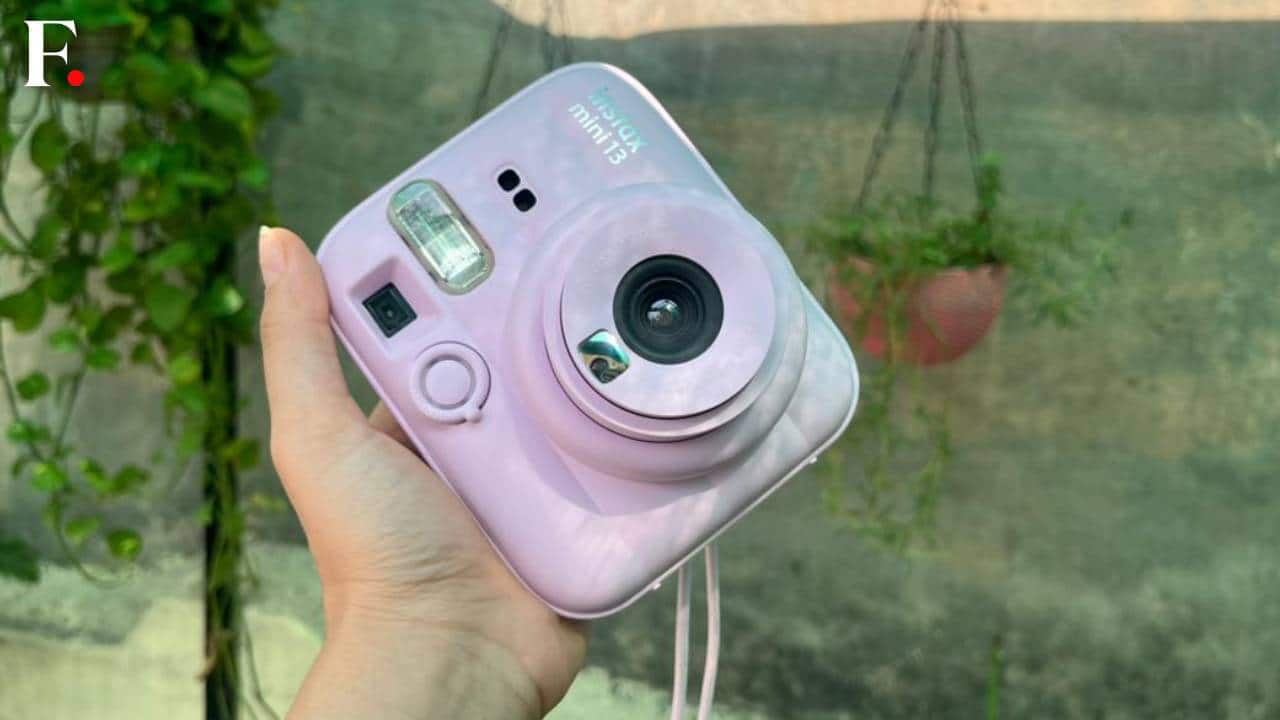
So, what does the Instax Mini 13 bring to the table?
Pretty design and easy to use
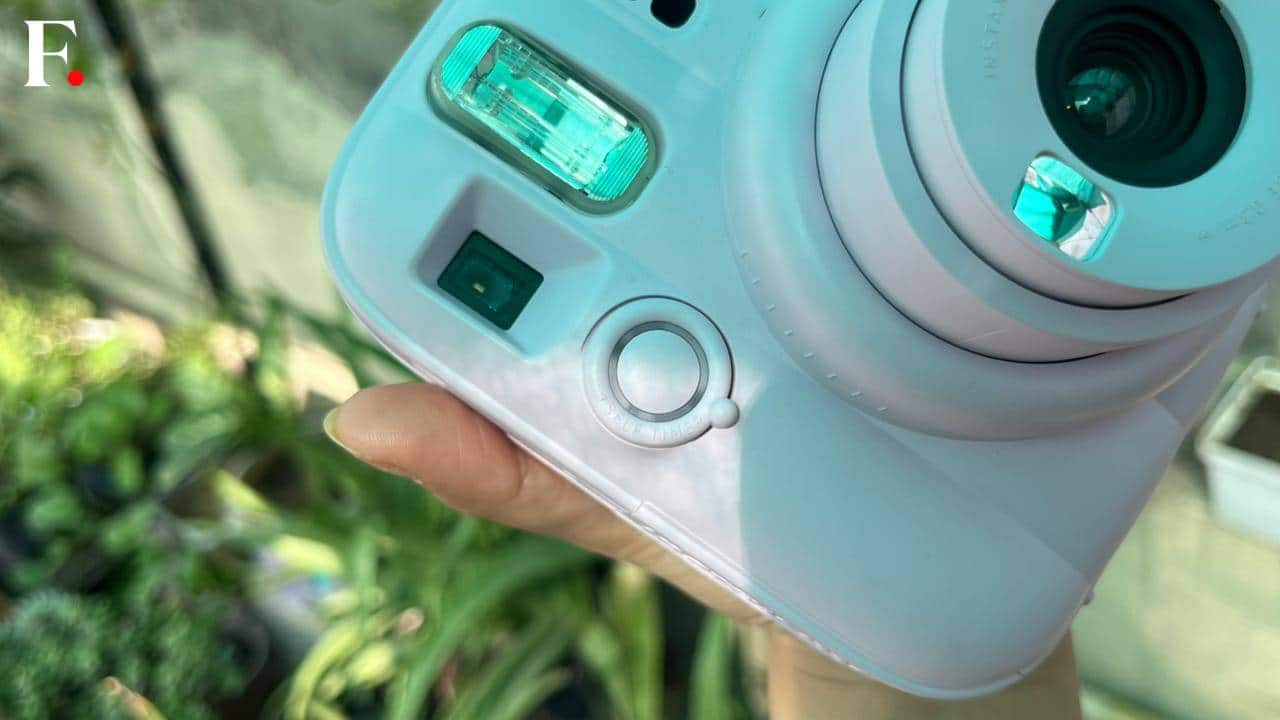
The Fujifilm Instax Mini 13 sticks closely to the design philosophy of earlier models. It features a playful, rounded body with a soft, cushion-like appearance that immediately makes it stand out. The plastic construction feels sturdy enough for everyday use while remaining extremely lightweight and easy to carry.
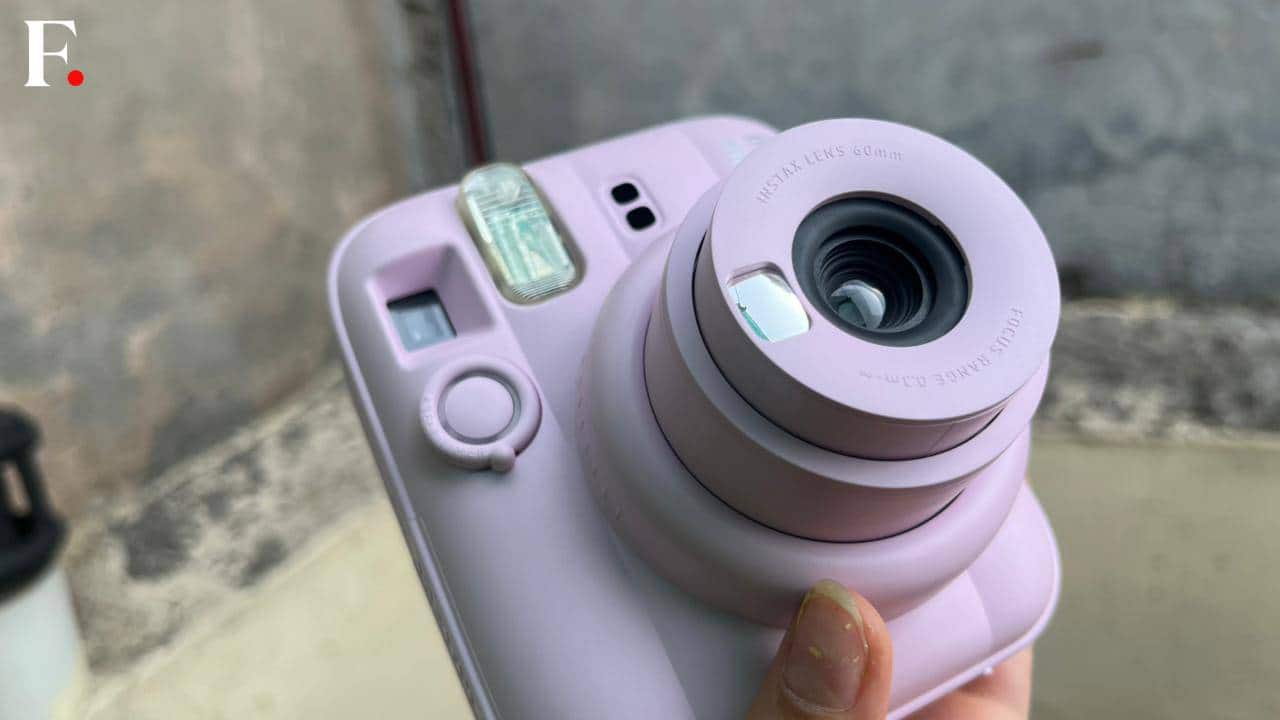
On the front sits the familiar rotating lens ring, which doubles as the camera's power control and allows users to switch into close-up shooting mode.
Using the Mini 13 could hardly be simpler. There is a large shutter button and a lens ring that lets you toggle between standard shooting mode for subjects beyond roughly 20 inches and Close-up mode for distances between 12 and 20 inches (30-50cm).
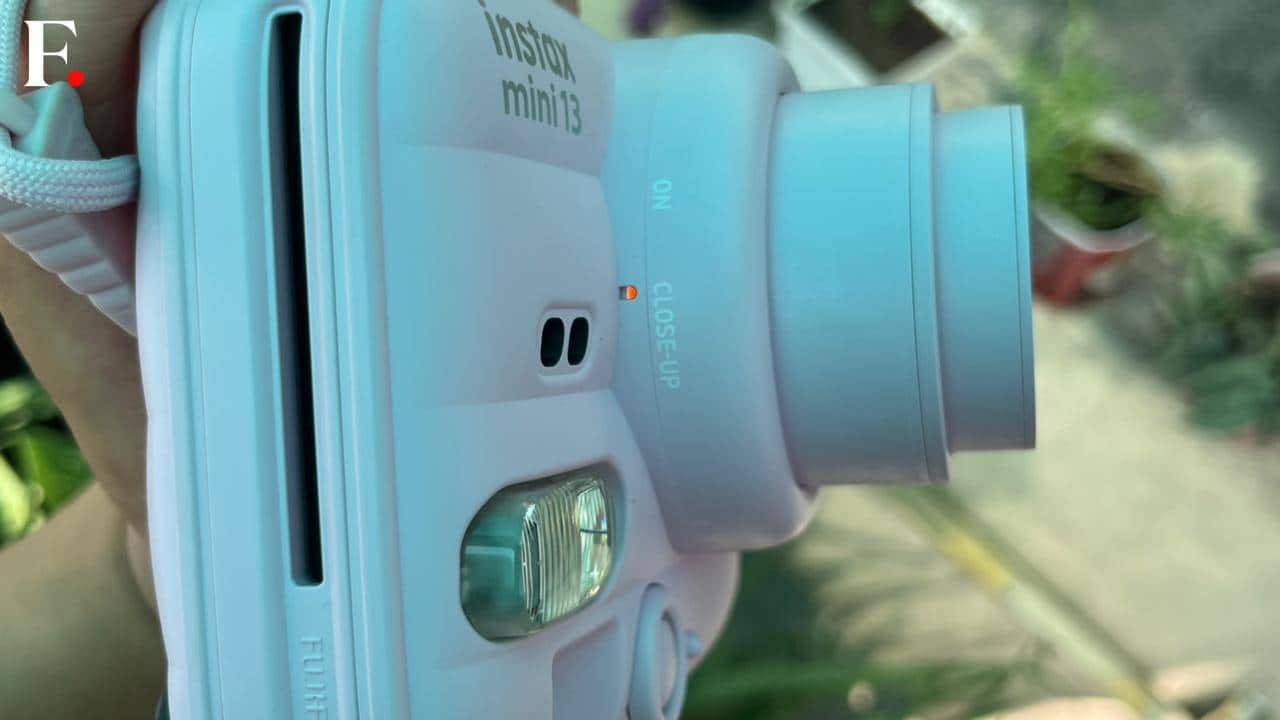
A small mirror positioned next to the lens helps with framing selfies, while the newly introduced self-timer is one of the standout additions. Users can choose between a two-second and ten-second countdown depending on the situation.
The longer timer is particularly useful for group photographs where everyone wants to be in the frame, while the shorter option helps minimise blur during handheld shots.
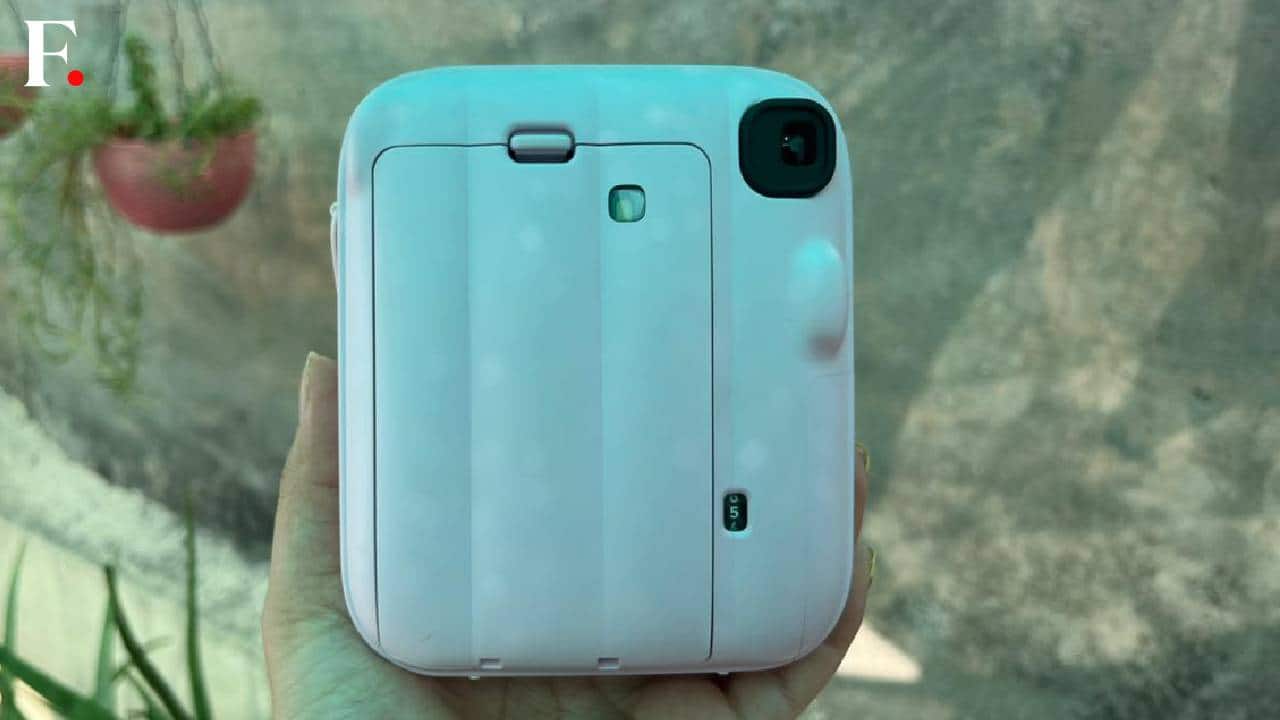
At the rear, a small counter window keeps track of the remaining exposures in the film pack. The camera can also stand upright on its own. Fujifilm has included a small angle-adjustment accessory attached to the wrist strap, allowing the camera to be tilted slightly higher or lower when placed on a flat surface.
It may sound like a small addition, but I found myself using it more often than expected, especially in combination with the self-timer.
Another feature I genuinely appreciate is the use of two AA batteries. It may seem old-school in an era dominated by USB-C charging, but there is something refreshingly convenient about being able to swap batteries and continue shooting without worrying about cables.
Image quality
It is important to set expectations correctly. If your priority is maximum sharpness, high resolution and technical perfection, the Instax Mini 13 is probably not the camera for you. Then again, that has never really been the purpose of instant photography.
What you get instead is a signature Instax look that many people actively seek out. The prints have a soft, nostalgic quality with colours that often appear vibrant, particularly in well-lit environments.

There is a warmth and character to these images that can be difficult to replicate with digital photography.
Fujifilm has also put extra focus on selfies with the Mini 13. During my cousin's birthday celebration, the camera proved to be a hit. The self-timer made it easy to take group photographs without asking someone to stay behind the camera. We simply placed the device on a flat surface, activated the timer and waited.
That said, there is a catch.
Framing can occasionally feel slightly off, particularly when you first start using the camera. Some of my early shots were not perfectly centred. However, this is fairly common with instant cameras, and after a few packs of film, you naturally begin to understand how much space to leave around your subjects.
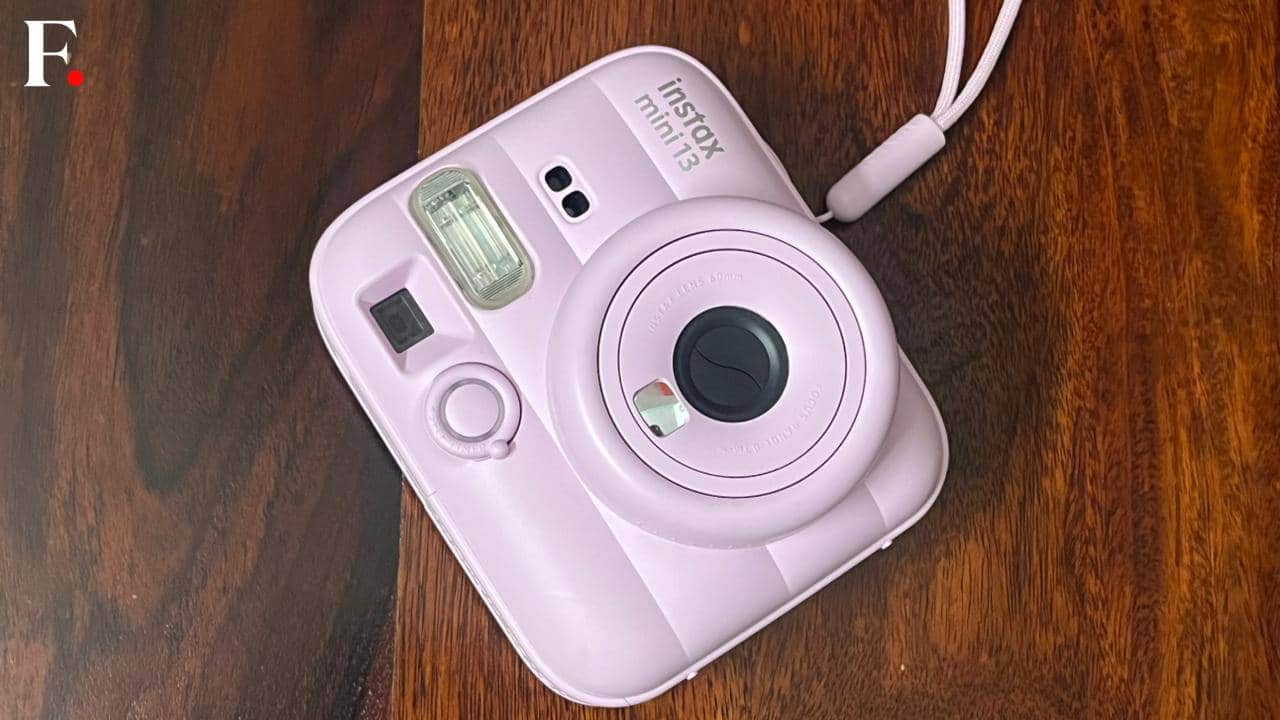
One thing I kept noticing was the always-on flash. During my review period, I observed that while the flash works like a charm in dim-lit environment, it can lead to over exposure in day-light.
Selfies are easier to manage thanks to the close-up mode and front-facing mirror, although fitting more than two or three people into a frame can still be challenging. The camera performs best when used for solo portraits or small groups at arm's length.
The close-up mode itself is another welcome addition. A simple twist of the lens ring activates it, making it ideal for closer selfies, portraits and photographs of smaller objects. It is a straightforward feature, but one that adds genuine versatility.
Film cost
If we are talking about a polaroid camera, it is unfair not to speak about the films.
The Instax Mini 13 is currently priced at Rs 8,4999, which is reasonable. However, the additional cost of the Instax films increases the whole budget.
To be brutally honest, the film is not cheap at all. At the time of writing, a pack containing 20 exposures was selling for Rs 1,399 on Swiggy Instamart.
That recurring expense inevitably changes how you use the camera. Unlike smartphone photography, where dozens of images can be captured without consequence, every Instax shot carries a cost. You become more selective. You pause before pressing the shutter. You wait for the right moment.
The upfront investment may be manageable, but the long-term costs can add up quickly.
Verdict: Should you buy the Fujifilm Instax Mini 13?
The Fujifilm Instax Mini 13 succeeds because it does not try to compete with smartphones. Instead, it offers an experience that modern devices simply cannot replicate.
It is easy to use, lightweight, attractive and packed with thoughtful additions such as the selfie timer, close-up mode and adjustable stand accessory. The instant prints have a distinctive charm, and the process of waiting for a photograph to develop remains surprisingly satisfying.
The biggest drawback is undoubtedly the cost of film, which can make regular use expensive over time. The always-on flash can also be frustrating in certain situations.
However, if you are buying an instant camera for the nostalgia, the aesthetic appeal and the joy of holding a physical memory in your hands moments after taking it, the Instax Mini 13 delivers exactly what it promises.
It is not the most practical camera you can buy in 2026, but it may well be one of the most enjoyable.
Unnati is a tech journalist with almost half a decade of experience. She has a keen interest to cull out unique story angle. She reviews the latest consumer and lifestyle gadgets, along with covering pop culture and social media news. When away from the keyboard, you might find her reading a fiction, at the gym or drinking coffee.
Tags

Samsung Galaxy Fold 8 quick review: The new entry
Pova 8 review: Big battery, bold design—but is it worth the price?
Nothing Phone (4b) first impression: A unique design, bold specs and a question to ponder
Oppo Find X9s Review: A little less powerful but equally capable alternative to the Find X9
Samsung Galaxy A27 5G First Impressions: A budget phone with high-end potential