


‘Best time to buy a phone was yesterday’: Nothing India head explains why smartphones may only get more expensive
Smartphone prices in India are rising sharply in 2026, and Nothing believes the trend is only getting started. According to the company, soaring memory chip prices driven by the AI boom are forcing brands to rethink pricing strategies, making phones costlier even months after launch instead of gradually becoming cheaper.

Buying a new smartphone in India is becoming noticeably more expensive this year. From premium flagships to upper mid-range devices, brands across the industry have quietly pushed prices upwards, leaving many buyers wondering why phones suddenly cost significantly more than they did just a year ago.
According to Akis Evangelidis, co-founder and president, Nothing India, the answer lies far beyond smartphones themselves. In a recent Instagram post, he explained that the same memory chips used inside phones are now being consumed at massive scale by AI data centres, creating a global supply crunch that is driving up costs for consumer electronics.
The result, he suggested, is simple but uncomfortable for buyers: smartphones are unlikely to get cheaper anytime soon.
Nothing says the best time to buy a phone was yesterday. Why?
In his Instagram video, Evangelidis bluntly claimed that “the best time to buy your smartphone was yesterday”, arguing that the industry is entering a period of sustained price inflation.
He explained that memory components such as NAND and DRAM chips, essential for smartphone storage and RAM, are now facing unprecedented demand because AI companies are purchasing the same hardware to power large-scale AI infrastructure and data centres.
 More from Tech
According to Evangelidis, the cost impact on smartphone makers has been dramatic. He explained that for a phone targeted at roughly $400, manufacturers would usually aim for a bill of materials cost of around $200. Within that, memory chips previously accounted for roughly $20 early last year.
Now, he said, that same component cost has reportedly surged past $100 or even $120.
“That leaves very little room for cameras, batteries and other components,” he explained, adding that manufacturers are increasingly being forced to either raise prices or compromise on hardware quality.
He also pointed out that the traditional pricing cycle of smartphones may now change. Usually, devices launch at a fixed price before gradually becoming cheaper over the following months. But according to Nothing, the current chip shortage means even older devices could become more expensive over time rather than cheaper.
Earlier this year, Carl Pei had made similar comments, warning that 2026 could become an “unprecedented” year for consumer electronics because of soaring NAND and DRAM costs. Pei said companies would soon face a difficult choice between increasing prices or reducing specifications. In Nothing’s case, he made it clear the company would rather raise prices than cut corners.
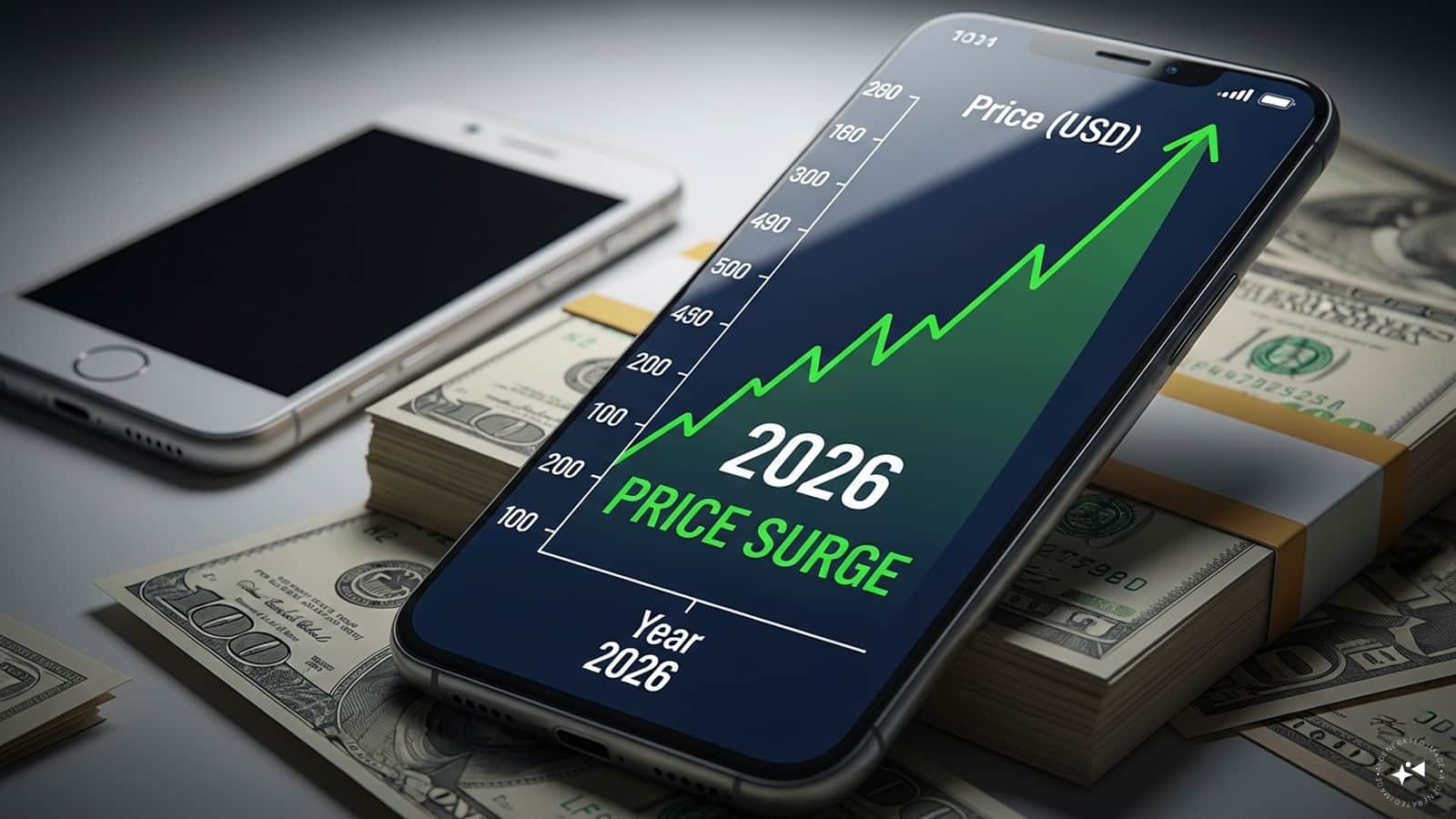
Smartphone price hike for 2026
The impact is already becoming visible across the industry.
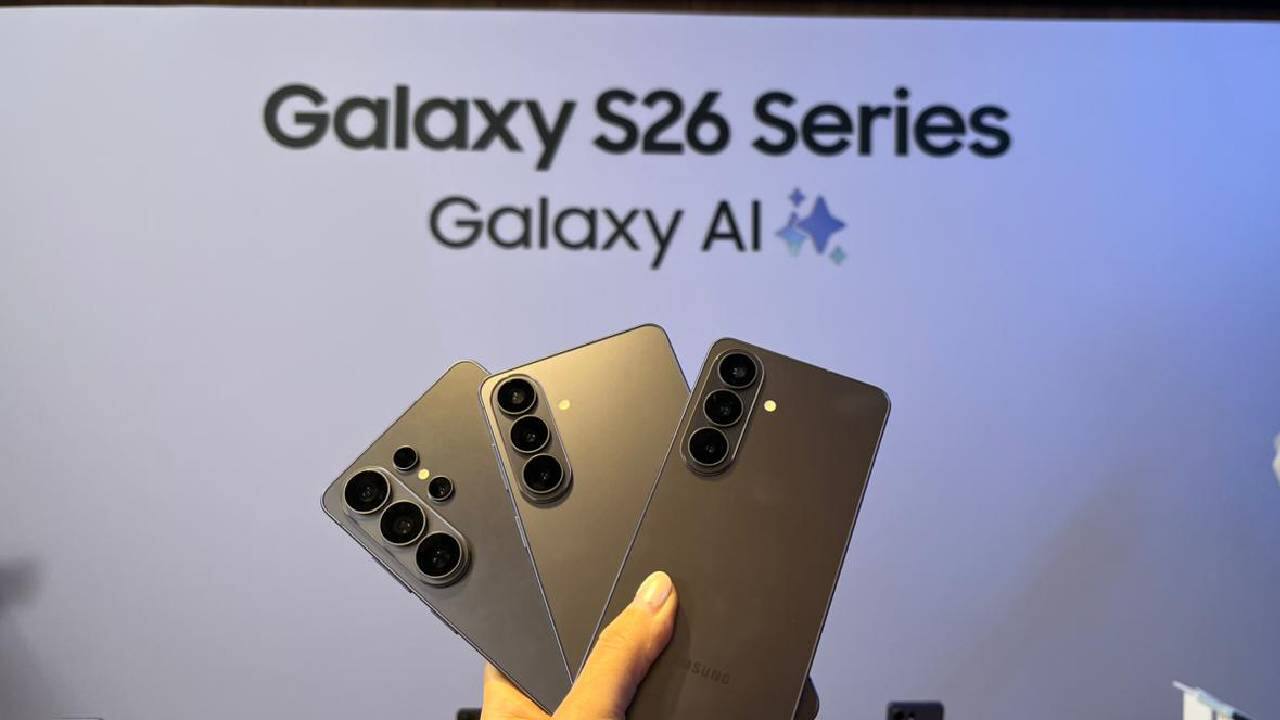
Samsung’s new Galaxy S26 Ultra now starts at Rs 1,39,999 for the 12GB RAM and 256GB storage variant, Rs 10,000 more than last year’s Galaxy S25 Ultra for the same configuration.
The Galaxy S26+ has also jumped to Rs 1,19,999 from Rs 99,999 previously, while the standard Galaxy S26 now begins at Rs 87,999 compared with Rs 80,999 for the Galaxy S25. Meanwhile, Samsung also has increased prices for more than 15 smartphones by around Rs 500 to Rs 3,500, translating to hikes of roughly 2 per cent to 25 per cent.
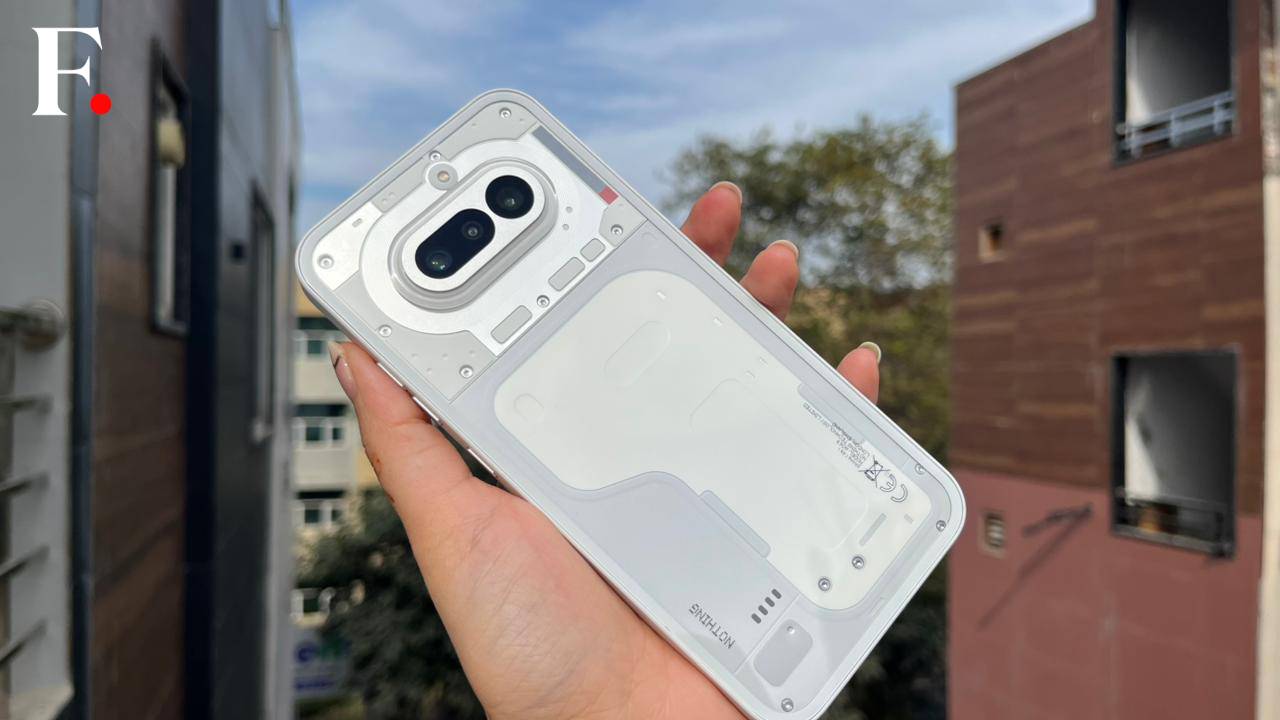
Nothing’s own pricing reflects an even steeper shift. The Nothing Phone 4a now starts at Rs 31,999 for the 8GB/128GB model, substantially higher than the Rs 22,999 launch price of the earlier Phone 3a. The Phone 4a Pro has similarly climbed to Rs 39,999 from Rs 27,999 previously.
Other Android brands such as OPPO and realme have also quietly adjusted prices across select models and storage variants in recent months, particularly in the upper mid-range category.
According to Counterpoint research, Xiaomi reportedly raised MOPs for over 10 devices by Rs 1,000 to Rs 3,000, while Vivo revised prices upward by Rs 1,000 to Rs 4,000 across multiple models, reflecting increases of 5 per cent to 25 per cent.
An MOP, or Minimum Operating Price, refers to the lowest authorised selling price fixed by a smartphone brand for retailers. It effectively acts as the benchmark price across both offline stores and e-commerce platforms, helping companies prevent excessive discounting and maintain pricing consistency in the market.
However, not every company has followed the same strategy.
Apple kept pricing for the new iPhone 17e unchanged at Rs 64,900 for the 256GB model, while the 512GB version costs Rs 84,900.
Similarly, Google launched the Pixel 10a at the same Rs 49,999 starting price as the previous Pixel 9a.
Still, analysts say stable pricing does not necessarily mean brands are unaffected. Some companies are instead adjusting storage configurations, reducing margins or absorbing short-term costs to stay competitive.
Research finds reason
Industry research firms have also pointed towards AI infrastructure as a key reason behind rising component prices.
According to Counterpoint Research, global demand for memory chips has surged sharply because hyperscale AI companies are aggressively purchasing high-performance DRAM and NAND storage for servers powering generative AI systems.
This has created supply pressure across the semiconductor market, particularly affecting smartphone manufacturers that rely heavily on the same memory technologies.
Counterpoint researchers have warned that memory prices are likely to remain elevated until at least the second half of next year, echoing Nothing’s prediction that smartphones may continue getting more expensive quarter after quarter.
The research firm also noted that companies are responding differently depending on their scale and strategy. Some are increasing retail prices directly, others are cutting promotional discounts, while a few are attempting to temporarily absorb costs to protect market share.
For consumers, however, the overall direction appears increasingly clear: the AI boom is no longer just reshaping software and internet services. It is now changing the price of the gadgets people use every day.
Unnati is a tech journalist with almost half a decade of experience. She has a keen interest to cull out unique story angle. She reviews the latest consumer and lifestyle gadgets, along with covering pop culture and social media news. When away from the keyboard, you might find her reading a fiction, at the gym or drinking coffee.
Tags

OpenAI launches Presence to bring AI agents into customer support and enterprise workflows
Samsung Galaxy Fold 8 Ultra, Fold 8, Flip 8 launched: Here is how much it costs in India with discounts
Florida pastor sues OpenAI, says ChatGPT's medical advice delayed emergency treatment: Report
US accuses China's Moonshot AI of using Anthropic's Fable to build K3 model
Apple's biggest Mac refresh in years could bring 11 new models: Report