


Asus ZenBook 14 vs Apple MacBook Neo: Which laptop is right for you?
The Asus ZenBook 14 and Apple MacBook Neo may target the same audience, but they take very different routes to get there. One prioritises AI capabilities, OLED visuals and flexibility, while the other leans on efficiency, simplicity and ecosystem integration. Here's how the two ultraportables compare.

Buying a lightweight laptop has become less about finding the most powerful machine and more about finding the right fit for your needs. That is exactly what makes the Asus ZenBook 14 and Apple MacBook Neo such interesting rivals.
Asus has recently unveiled the ZenBook 14, keeping in the direct competition with Macbook Neo, which was launched in March 2026.
Both are designed for users who want a portable device that can handle work, study and entertainment without weighing down their bags. Yet their approaches are markedly different. Asus is betting on AI-powered features, OLED display technology and multiple processor options, while Apple is relying on the strengths that have long defined the MacBook experience: efficiency, simplicity and tight integration with its ecosystem.
 More from Tech
So which portable powerhouse is right for you? The answer depends less on raw specifications and more on how you plan to use your laptop every day.
Design: Premium, but with different personalities
Asus appears determined to erase any remaining distinction between its premium and mainstream offerings. The new ZenBook 14 features a lightweight chassis weighing around 1.2kg and introduces a Ceraluminum finish, a material that combines the durability of aluminium with the tactile feel of ceramic.
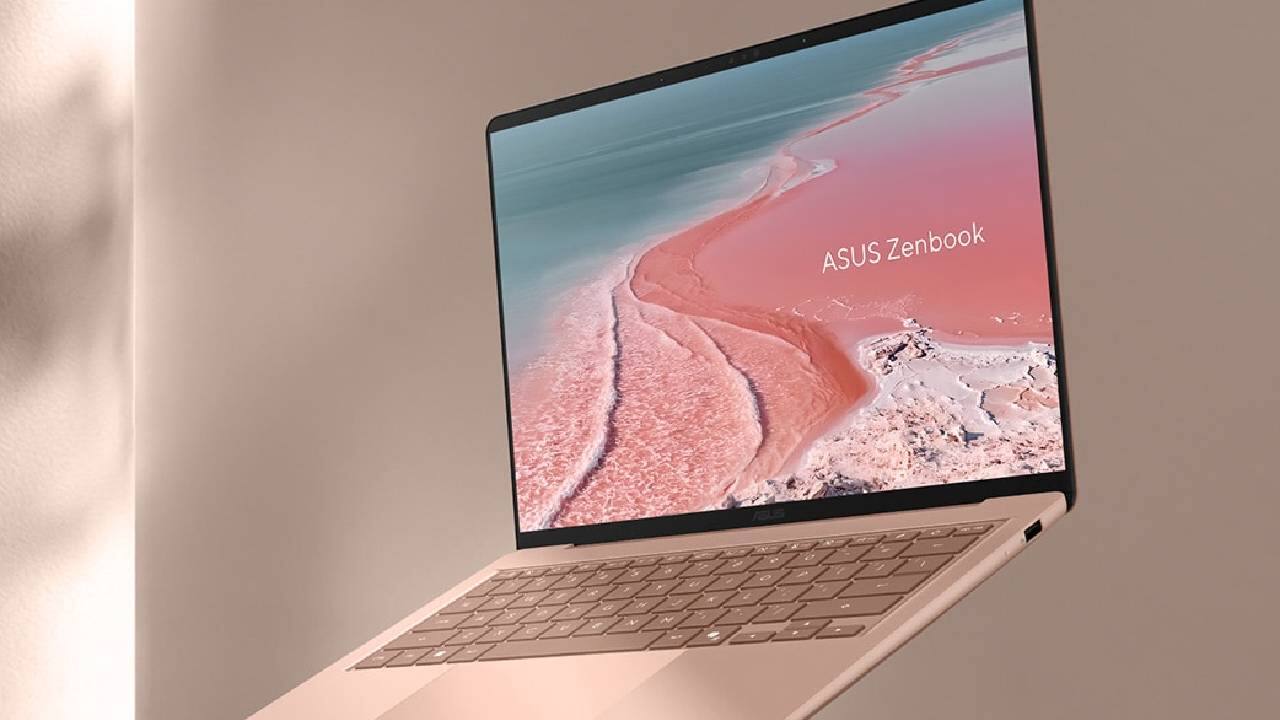
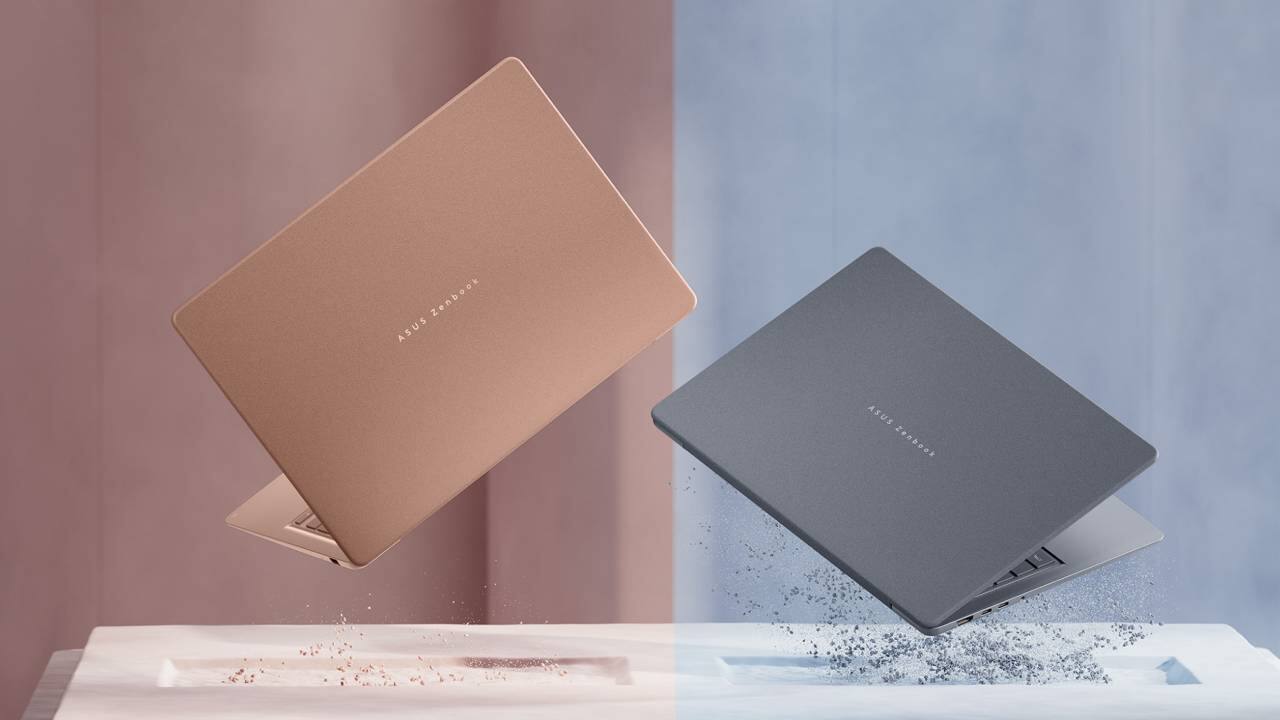
The laptop is available in multiple colours, including Arctic Blue, Komodo Coral and Zabriskie Beige, giving buyers more choice than is typically found in this segment.
Apple, meanwhile, continues to embrace its minimalist aesthetic. The MacBook Neo uses a recycled aluminium enclosure, with Apple claiming that 60 per cent of the device's materials are recycled, making it the company's most sustainable product yet. The design is familiar, understated and unmistakably Apple.

Display: OLED versus Retina
One of the biggest differences between the two laptops lies in their screens.
The ZenBook 14 comes equipped with a 16:10 OLED display, a technology widely praised for its deep blacks, vibrant colours and superior contrast. For users who spend hours watching videos, editing photos or simply browsing, OLED remains one of the strongest selling points of modern Windows laptops.
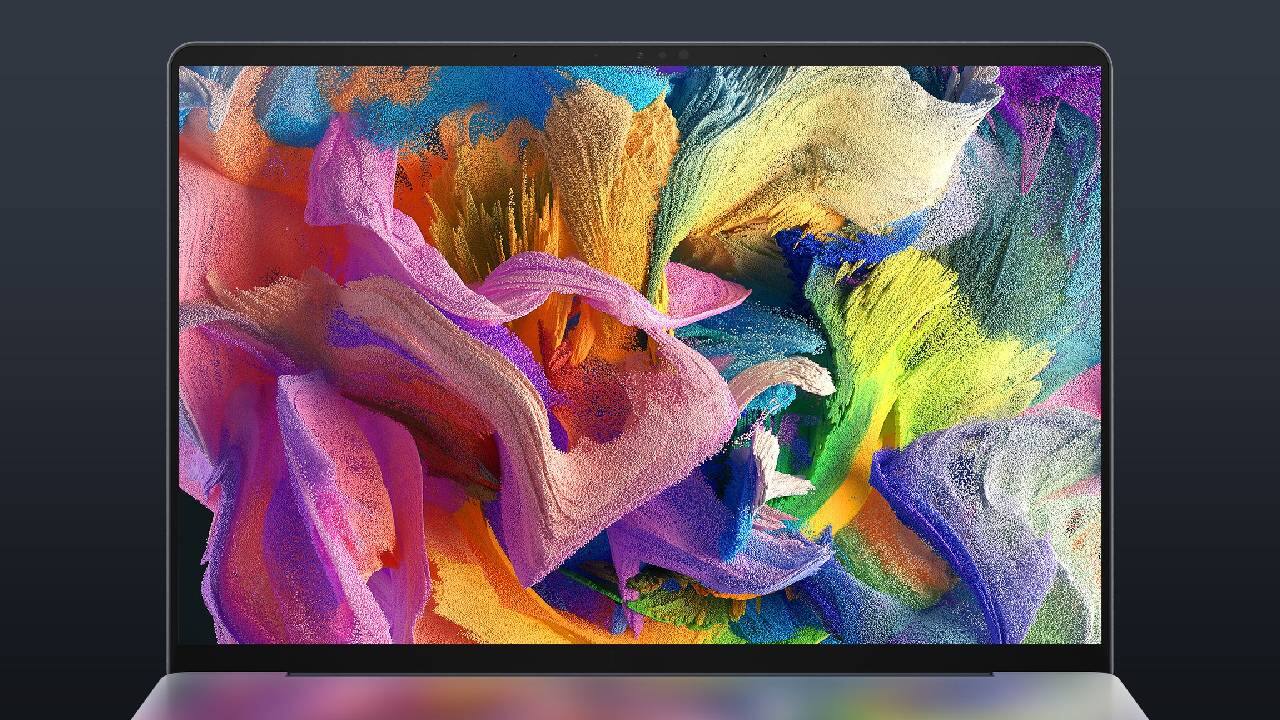
Apple counters with a 13-inch Liquid Retina display capable of reaching 500 nits of brightness. While it may not offer OLED's contrast advantages, Apple's displays have traditionally excelled in colour accuracy and consistency.
For media consumption, Asus arguably has the more eye-catching panel. For everyday productivity, both should comfortably meet most users' needs.
Performance and AI take centre stage
This is where the philosophies diverge most dramatically.
The ZenBook 14 arrives in multiple configurations powered by Intel Core Ultra, AMD Ryzen AI 400 or Qualcomm Snapdragon X processors. Depending on the model, users can access up to 50 TOPS of NPU performance, placing AI capabilities at the centre of the experience.
Asus positions the machine as a Copilot+ PC capable of handling AI-assisted productivity, multitasking, content creation and modern workplace workloads.
Apple takes a different route. The MacBook Neo is powered by the A18 Pro chip, the same processor found in the iPhone 16 Pro series. Rather than focusing heavily on raw AI specifications, Apple emphasises efficiency and seamless performance for everyday applications.
Battery life and everyday usability
Battery life remains a crucial factor for portable machines.
Asus claims the ZenBook 14 can deliver more than 21 hours of offline video playback on select configurations, a figure that places it among the longest-lasting Windows laptops available.
Apple, meanwhile, rates the MacBook Neo for up to 16 hours on a single charge. While lower on paper, that figure still comfortably covers a full day of work or study.
Which one is tight for you?
Ultimately, neither laptop is trying to be all things to all users.
Rather than asking which laptop is objectively better, the more useful question may be the one posed by the headline: which portable powerhouse is right for you? For Windows users looking for versatility, the ZenBook 14 makes a compelling case. For those already invested in Apple's ecosystem, the MacBook Neo may be the easier choice.
On top of that price tag matters the most. While we know that the MacBook Neo is available at a starting price of Rs 69,990, Asus is yet to disclose the price segment. Depending on the budget, you will be able to choose the better one for you.
Tags

OpenAI launches Presence to bring AI agents into customer support and enterprise workflows
Samsung Galaxy Fold 8 Ultra, Fold 8, Flip 8 launched: Here is how much it costs in India with discounts
Florida pastor sues OpenAI, says ChatGPT's medical advice delayed emergency treatment: Report
US accuses China's Moonshot AI of using Anthropic's Fable to build K3 model
Apple's biggest Mac refresh in years could bring 11 new models: Report