


Is Saudi Arabia scaling back sports spending? Why it invested over $50 billion and what happens if it pulls back
Saudi Arabia appears to be scaling back its sports spending, a shift in strategy that could have massive ripple effects across the sporting world, including the loss of thousands of jobs.

On a winter evening in Riyadh in 2023, thousands of fans watched Cristiano Ronaldo score another goal for Al Nassr. Around the same time, golfers like Bryson DeChambeau were competing in the Saudi-backed LIV Golf, and Formula 1 cars were racing through the streets of Jeddah at the Saudi Arabian Grand Prix.
None of this happened by accident.
Over the past decade, Saudi Arabia has carried out one of the most ambitious sports investment campaigns in history, pouring tens of billions of dollars into football clubs, global leagues, mega events and superstar athletes.
But recent uncertainty around LIV Golf and the sale of a majority stake in Al Hilal have sparked debate about whether the Kingdom might be slowing down its sporting spending spree.
 More from Sports
If that happens, the impact will be felf across the entire global sports economy.
Saudi Arabia’s influence in sports
Saudi Arabia’s sporting expansion has largely been driven by its sovereign wealth fund, the Public Investment Fund (PIF). The fund controls assets worth roughly $925 billion, making it one of the largest investment funds in the world.
A portion of that money has been used to build Saudi Arabia into a major sports power. Estimates from ESCP International Politics Society suggest the Saudis have invested more than $50 billion in sports since 2016.
Amid all their investment, Golf was perhaps the most controversial example.
When Saudi Arabia launched LIV Golf in 2022, the goal was to disrupt the traditional golf structure dominated by the PGA Tour. To lure players away, the new league offered staggering contracts and prize money.
By 2024, Saudi Arabia had already invested over $5 billion into LIV Golf, with some estimates suggesting the final cost could cross $6 billion.
The league has struggled financially. Reports suggest it was burning about $100 million every month, while filings showed losses of roughly $461 million in 2024 alone.
Football has seen even bigger spending.
In 2023, the Public Investment Fund took controlling stakes in four major Saudi clubs: Al Hilal, Al Nassr, Al Ittihad and Al Ahli. The move transformed the Saudi Pro League overnight as superstars started arriving.
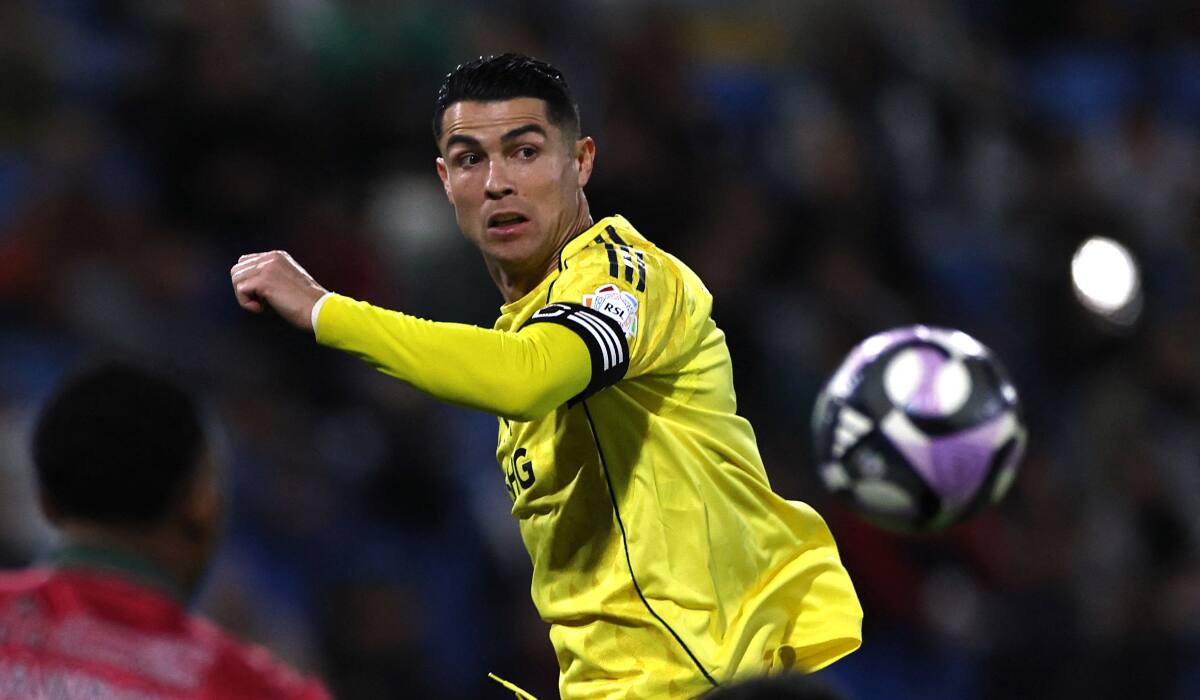
Cristiano Ronaldo, Karim Benzema, Neymar and several other European stars joined the Saudi Pro League. And as per the estimates. Saudi clubs have spent more than $3 billion on transfers, contracts and club development.
Saudi Arabia has also tried to extend its influence in European football, buying the English Premier League club Newcastle United for around £400 million in 2021.
The country has also secured rights to host Formula 1 races, boxing megafights and the Dakar Rally.
In 2023 alone, Saudi Arabia hosted more than 50 international sporting events, attracting around 2.5 million visitors.
Why did Saudi Arabia spend so much?
For a country that barely featured on the global sports map two decades ago, the transformation has been remarkable. And there's a reason. The spending is not just about sport.
It is part of a wider national plan called Vision 2030, which aims to transform Saudi Arabia’s economy.
For decades, the country has depended heavily on oil revenues. Vision 2030 seeks to diversify the economy by building industries such as tourism, entertainment and sports.
Sport has become a key pillar of that strategy.
Hosting events and building leagues creates jobs. It attracts tourists. It also puts Saudi Arabia at the centre of global attention. According to government estimates, sports initiatives have already created around 70,000 jobs in Saudi Arabia.
Every sporting event requires production crews, broadcasters, hospitality workers, stadium operators, marketing teams and digital media specialists.
A Formula 1 race weekend, for example, involves thousands of workers, from engineers and event planners to security staff and food vendors.
Sport has also become a tourism driver.
Saudi Arabia recorded a 378 per cent increase in international visitors in 2022, partly fuelled by sporting and entertainment events.
But there is also a political angle, too. Critics argue that Saudi Arabia is using sport to improve its global image amid ongoing criticism over human rights issues. The term often used for this strategy is “sportswashing”.
Whether you believe in it or not, the sports investments have successfully brought Saudi Arabia into the global spotlight.
Are Saudis ready to change the strategy?
Despite the massive spending, recent developments suggest Saudi Arabia may now be recalibrating its approach.
Reports have indicated that funding for LIV Golf could be reduced. Meanwhile, the Public Investment Fund recently sold 70 per cent of Al Hilal to Kingdom Holding Company in a deal worth about $373 million.
Officials have said the sale is part of a broader strategy to recycle capital and encourage private investment.
The fund has also approved a new investment strategy for the coming years that focuses more heavily on domestic economic priorities.
In other words, the government may want its sports investments to start generating sustainable returns instead of relying on endless funding.
The war in West Asia and its direct impact on economies that rely heavily on the sale of oil have most likely had their own impact.
What happens if the money slows down
If Saudi Arabia significantly reduces its spending, the consequences could be felt across global sport.
Football could feel the impact first. Saudi clubs have pushed wages and transfer fees to new heights. If that spending slows, the global transfer market could cool quickly.
Leagues and players who benefited from Saudi money would feel the change.
Golf could face an even bigger shock. LIV Golf has depended heavily on Saudi funding since its creation. If that support disappears, the league’s long-term survival could be in doubt.
But the biggest impact may be felt by people who never appear on the field, as sport supports a huge ecosystem of jobs.
Every event creates employment for television crews, stadium staff, logistics companies, marketing agencies and tourism businesses.
If Saudi Arabia hosts fewer events or reduces investments, thousands of those jobs could disappear. Sports journalists, analysts, digital producers and commentators who cover Saudi-backed leagues could also see opportunities shrink.
Hotels, airlines and travel companies that benefit from sports tourism would feel the slowdown as well.
In short, the ripple effects would go far beyond athletes.
Watching sports and writing about it are my favourite things in life and I try to bring you the best from the sporting world at Firstpost.

'It's not over yet': PV Sindhu makes bold declaration following historic Japan Open title victory
The Luis de la Fuente effect: Spain’s secret weapon in their 2026 World Cup victory
Rodri beats Messi to win Golden Boot award; Check out full list of 2026 World Cup award winners
Messi breaks down after World Cup defeat, shares touching hug with Lamine Yamal
FIFA World Cup jackpot: What does Spain take home after beating Argentina?