


The warmth of Kerala in Manhattan: Chef Vinu Raveendran on building New York’s highest-rated restaurant | Exclusive
Chef Vinu Raveendran explains how Kidilum is redefining Indian fine dining in New York by elevating authentic Malayali cuisine with global techniques, local produce and Kerala's warm hospitality.

For decades, the story of Indian food abroad was one of comfortable generalisation. It was a rustic, monolithic narrative written in massive pots of generic curries, tandoori platters and predictable lunch buffets. But at Kidilum in New York City, Chef Vinu Raveendran is rewriting that script. He has transformed regional Malayali cuisine into one of Manhattan's most sought-after fine dining experiences, earning the highest Google-rating for any restaurant in Manhattan.
The achievement is no small feat. After all, how do you bring the warmth and comfort that one associates with Malayali cuisine to the streets of New York, and largely to people completely unfamiliar with it? Yet, what makes Kidilum stand out is how Vinu has seamlessly married the discipline of Western fine dining with the deeply evocative, home-cooked warmth of Kerala.
 More from Lifestyle
The journey inwards for Chef Vinu Raveendran
Vinu's path to Kidilum was paradoxically paved with pasta and wine. "I was an Italian chef before," he tells Firstpost, adding, "I was chasing these Michelin-star restaurants, bigger chefs, cooking fast…" But during that high-octane pursuit, a deeper realisation set in.
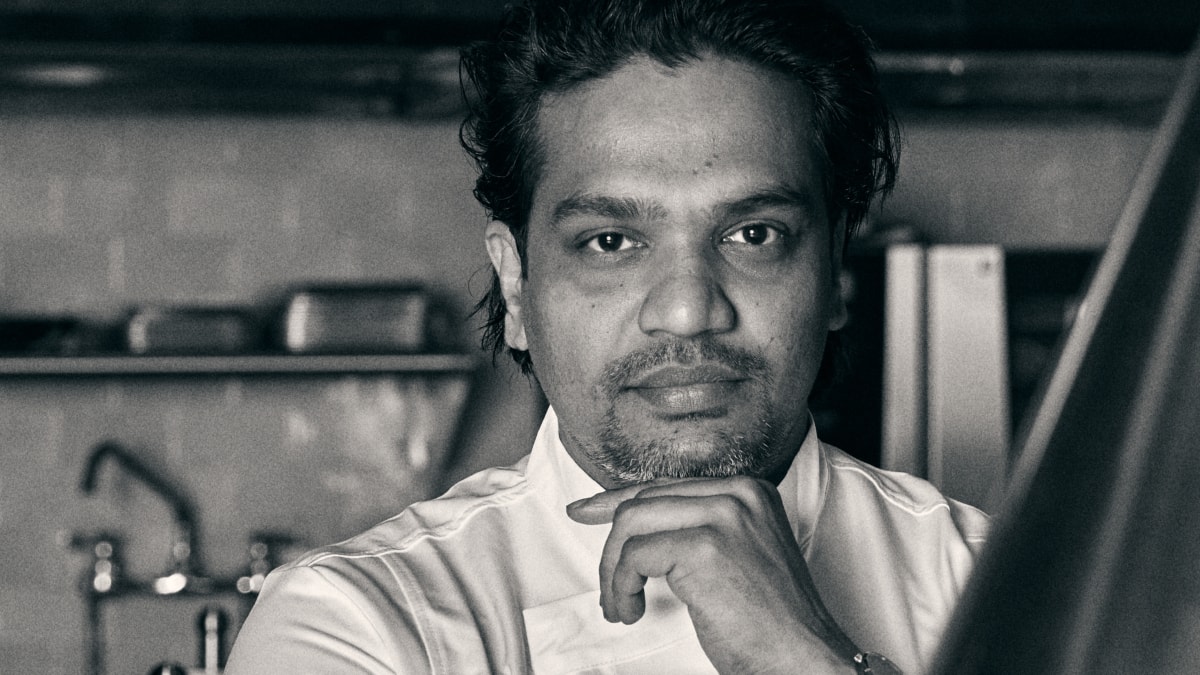
"Rather than chasing this outward, why don't we look back into our culture, our cuisine, and think about that a lot more," Vinu reflects. "My experience working in Michelin-star restaurants became the foundation for me to develop a menu that is South Indian but at par with global standards."
For Vinu, elevating Malayali food meant leaving behind what he calls the "rustic approach", where one would simply "cook food in big pots, put it into a bowl and just serve it like that." Changing that is what Kidilum stands for.
The goal was simple- the food should never lose its authenticity, but it should be elevated into something that looks as refined as it tastes.
Chef Vinu explains, "We want to change the standard of Indian food and elevate the cuisine. There's a huge diaspora of Indians in New York. When they come and check out the place, I want them to feel confident, excited and go back and bring their friends. They should bring everyone to show how well-presented Indian food can be and feel proud about it."
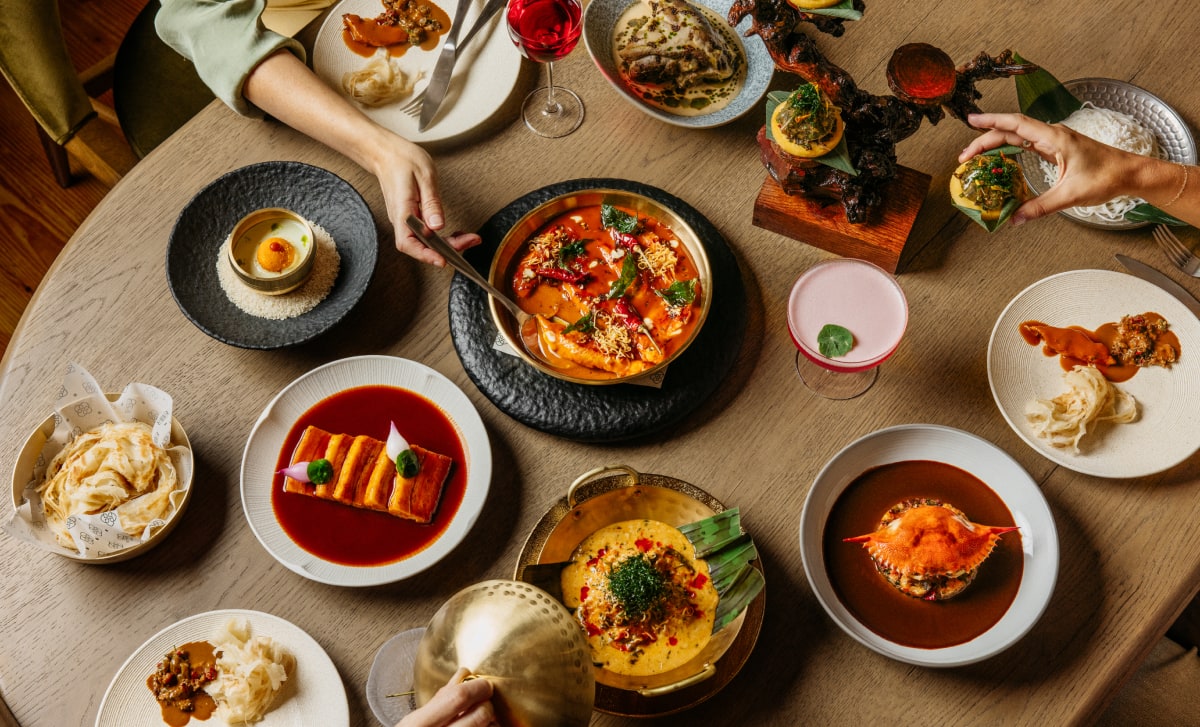
The main motivation for Chef Vinu? Hunger!
Interestingly, the internal shift that birthed Kidilum came down to a very human feeling- hunger. Despite years spent mastering European techniques, and his genuine love for enjoying a great plate of pasta with a glass of wine as someone who has been an Italian chef, Vinu found that his body kept pulling him back home.
As a chef who spends his days running a high-octane kitchen on an empty stomach, often skipping breakfast and lunch entirely, surviving on just coffee and a croissant, or peanut-butter bread to keep his energy up, dinner is his only wholesome meal of the day. And when that deep, late-night hunger hits, the cravings are non-negotiable.
"When I really feel hungry, I crave for South Indian food," Vinu admits. "I get back to my roots every now and then. So that became the thought process- if I crave for something so much, why not serve the same to the world?"
Sourcing locally, seasoning authentically
Achieving that level of refinement requires an uncompromising stance on produce. While Kidilum's speciality spices travel across the world from approved suppliers in India, Vinu turns entirely to local American markets for his proteins, meats and seafood.
Even when traditional ingredients like karimeen (pearl spot fish) are available through frozen imports, Vinu consciously passes them up. "I source all the protein and meat locally, so I can use fresh ones and not frozen ones. I can get the best quality of produce."
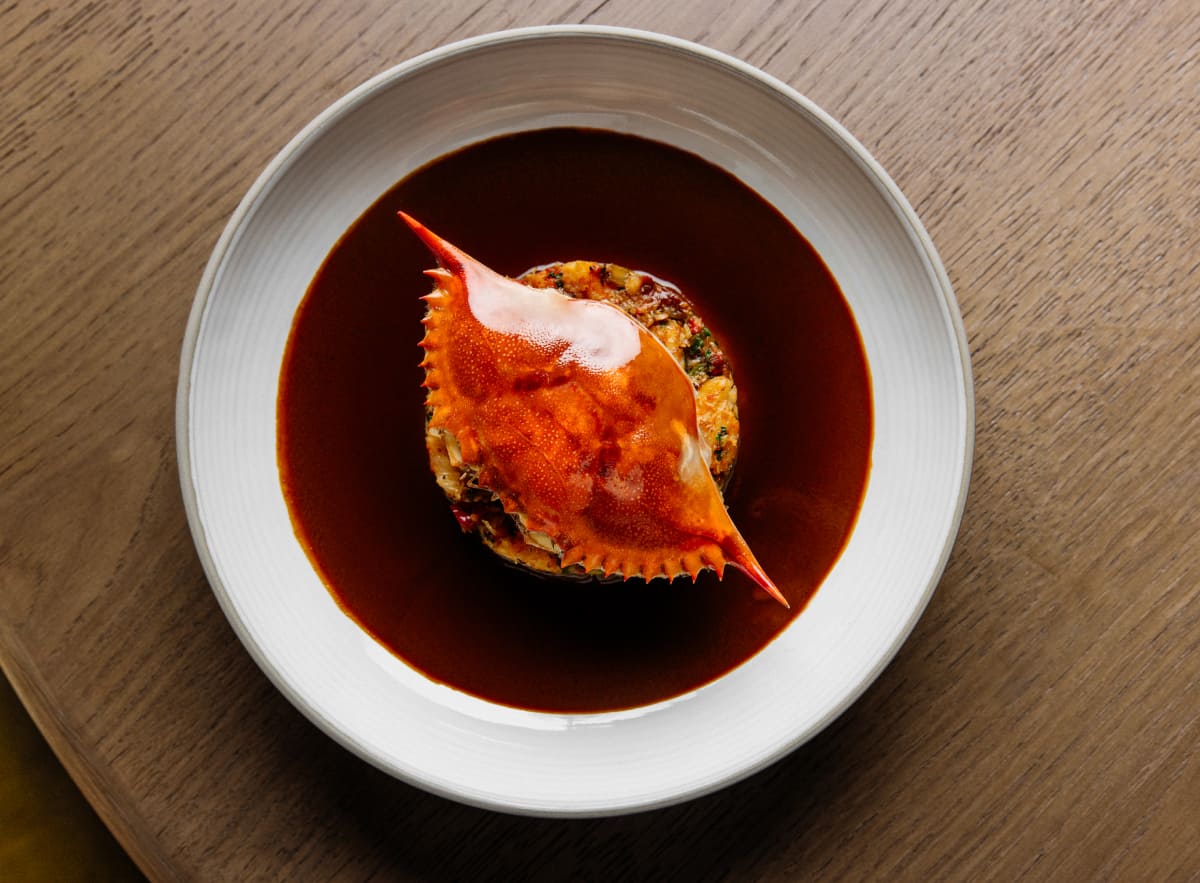
This balance ensures that while the flavours remain unmistakably Malayali, the produce is as fresh as possible. To maintain that standard, Vinu also enforces a culture of constant reinvention in his kitchen. Systems are regularly rebooted and recipes continuously revisited to prevent the slow, unnoticed deterioration that can creep into even the busiest restaurants.
"If we cannot appreciate it, then we will not sell it out there," he says simply. "This becomes our ethos."
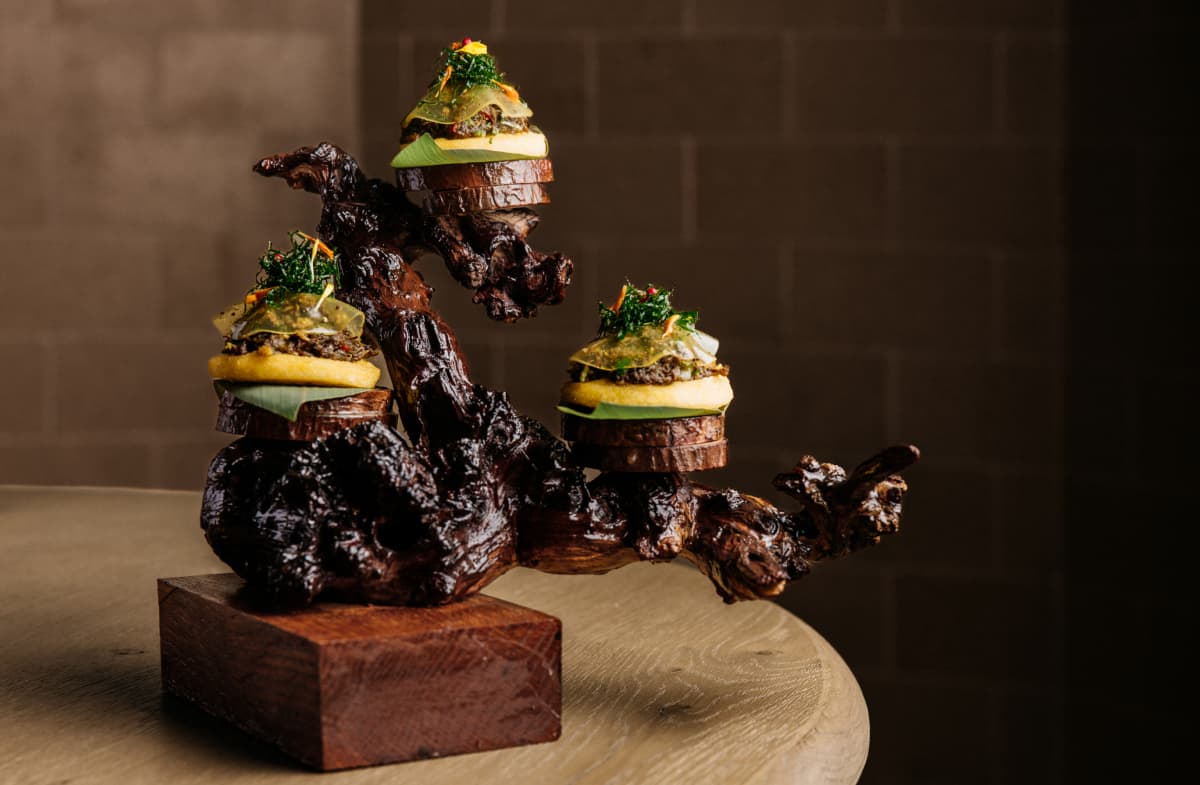
The secret behind Kidilum's high Google ratings
While the precisely plated food captures the attention of New York's competitive dining scene, Vinu is quick to point out that food is only one part of a memorable dining experience.
One reason behind Kidilum's popularity, according to him, lies in an ancient Indian philosophy- Atithi Devo Bhava, the belief that the guest is akin to God. It is a standard of hospitality that, in his opinion, differs from the typical American dining experience.
"United States have a kind of transactional service," Vinu observes. "You pay them tip, you pay them money and you get whatever it is and that's it." At Kidilum, the approach is intentionally intimate.
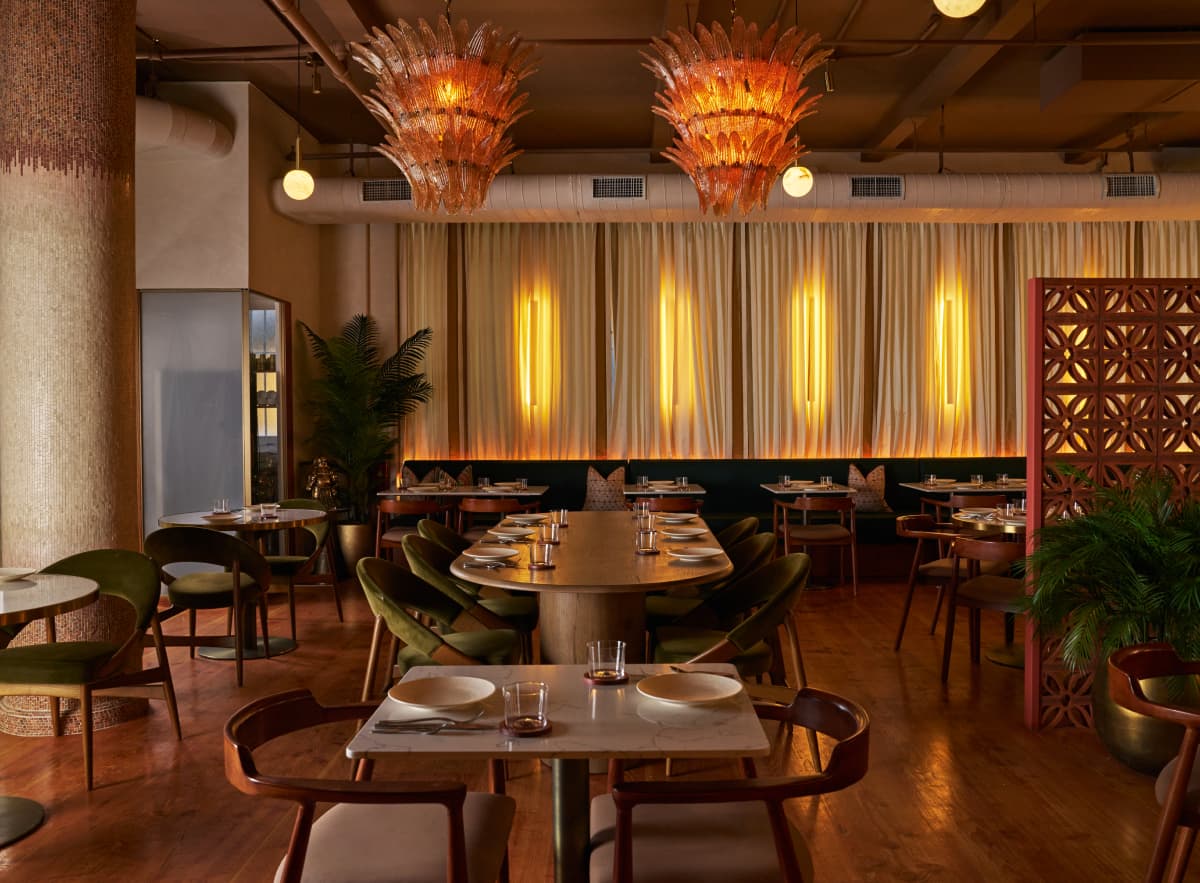
Vinu maintains an unusually high staff-to-guest ratio, dedicating one team member to every three-and-a-half to four diners, a significant investment in a city where manpower is notoriously expensive.
"It's the kindness we showcase, the way we train our team, the kind of comfort we give, the kind of personal connection we make," he says. "That actually elevates people."
Bringing out the diversity of Indian cuisine
Ultimately, Kidilum’s success is proof of a larger, unstoppable cultural shift. Vinu believes the era of reducing Indian cuisine to a handful of generalised dishes like butter chicken, naan, and tikka masala is finally drawing to a close, replaced by a growing global appetite for regional micro-stories.
"Every state has their own comfort food, their own specialities," Vinu says. "I think every chef who is coming out of India, it's their duty to talk about their regional cuisine. There is so much for us to offer to the world. This is the trend now beginning... because every time such a story comes out, it inspires people to take that route."
(All photos have been provided by Chef Vinu Raveendran)
Chief Sub Editor with a decade of experience in digital media, known for digging into behind-the-scenes trivia during interviews. Equal parts anime lover and pop-culture nerd, she spends her time ferociously hitting the keyboard, daydreaming between deadlines, travelling, chasing street food, and cracking unapologetically bad jokes.

Trade the hustle for the Shire: Inside the "hobbitmaxxing" trend
Spices, health and the Indian plate: Why chilli can be good for you—but moderation is still key
The right way to break up without feeling groggy
How Spider-Man actor Tom Holland has been on a sobriety journey of 4.5 years after being "addicted to alcohol"
Why Chennai is India's filter coffee capital, one tumbler at a time