


The Indian film schools outperforming New York, London, and Paris at Cannes
India’s FTII Pune and SRFTI Kolkata are outperforming leading global film schools at the Cannes Film Festival, winning major prizes and shaping the next generation of Indian cinema

There are two film schools in the world that have fared consistently in competitions at the Cannes Film Festival over the past half-decade better than their older, established and famous counterparts in New York, London or Paris. And both are in India and publicly funded.
At the prestigious competition for film schools from around the world on the French Riviera, the Film and Television Institute of India and the Satyajit Ray Film and Television Institute have been remarkably successful in recent years compared with any other film school in the world.
With two top prizes from five appearances in the past six years, India’s state-run film institutes have conquered the world of cinema in a fascinating display of the next generation of Indian filmmakers and the future of Indian cinema.
Cannes 2026 and India’s Film School Presence
The 79th edition of the Cannes Film Festival this year, which began on 12 May, has reinforced the high quality and standards of film schools in India.
 More from Lifestyle
While a new feature film from India is missing from the official selection in Cannes this year despite the country’s status as the world’s largest filmmaking nation, film school productions from the country continue to maintain their presence at the festival.
Punjabi Film from Pune
Punjabi-language film Parchave Masseah Rataan De (Shadows of the Moonless Nights), directed by Ludhiana-born FTII student Mehar Malhotra, was screened on 20 May in the La Cinef competition category for film school productions from around the world.
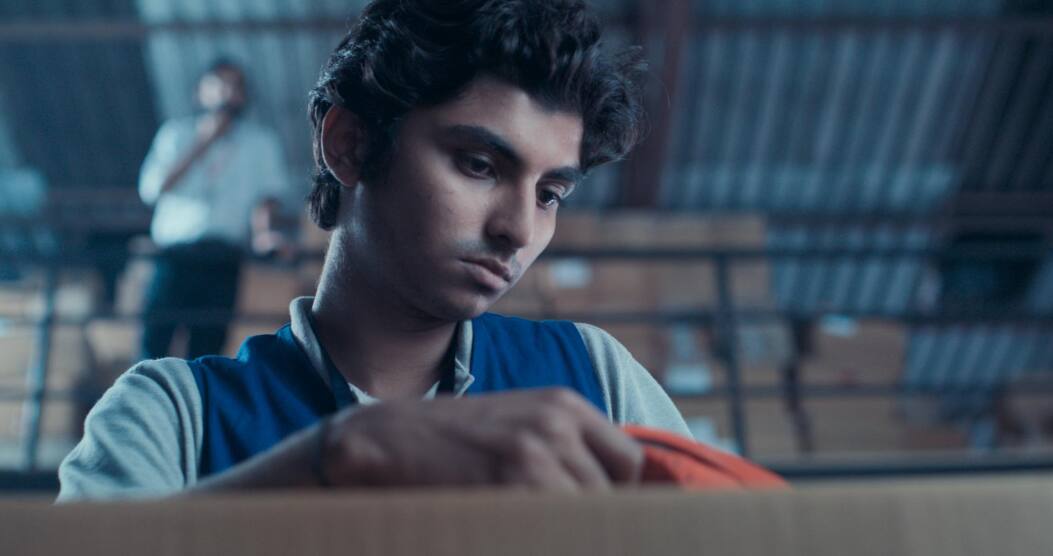
Parchave Masseah Rataan De, which tells the story of a young warehouse worker whose long shifts deprive him of much-needed rest, was selected from 2,750 entries received from film institutes across the world. Nineteen films are competing for the top three prizes in La Cinef this year.

“As a child I watched my Maasi (aunt) disappear into night shifts at a call centre to make ends meet, returning hollow-eyed to a home too small for privacy, her body paying a quiet toll no one acknowledged,” says Malhotra, who joined FTII, Pune in 2020.
The 24-minute diploma film from FTII, which was founded in 1960 and has a distinguished record of producing celebrated directors and technicians over the years, marks the fourth successive year an Indian state-run film institute has been represented at the Cannes Film Festival, which concludes on 23 May.
India’s recent Cannes entries
Kolkata-born Yudhajit Basu, also an FTII student, screened his diploma film Nehemich in Cannes in 2023.

Chidananda S Naik from Mysore, another FTII student, competed in La Cinef in 2024 with Sunflowers Were the First to Know.
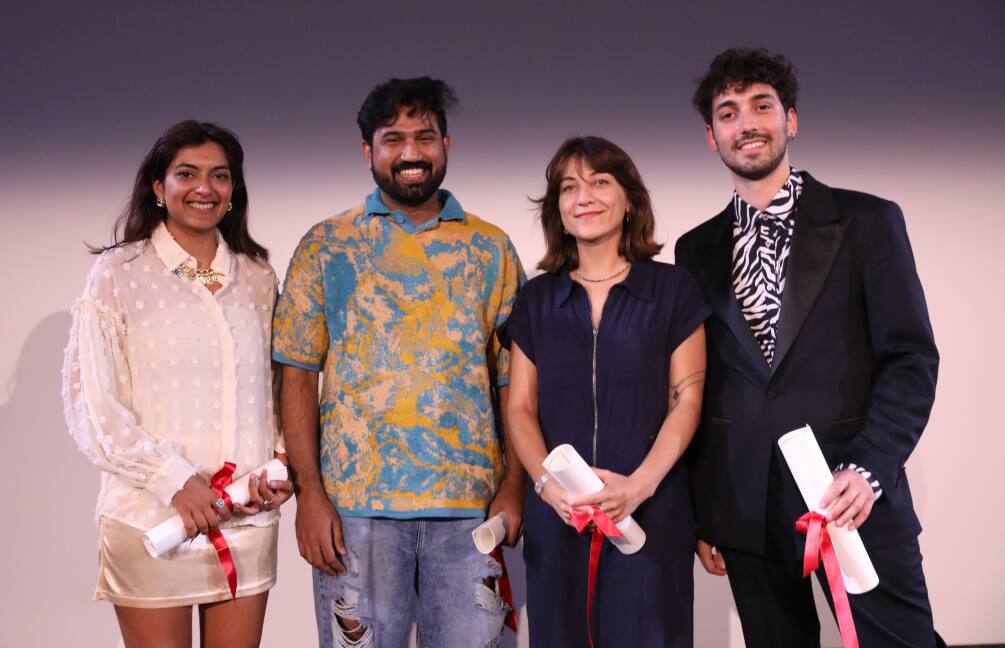
A Doll Made Up of Clay by Nigerian national Kokob Gebrehaweria Tesfay, a student of SRFTI, Kolkata, was selected in the same section last year.
The only privately run Indian film institute to compete in La Cinef in Cannes was Whistling Woods International in 2022 for Nauha by its student Pratham Khurana.
India’s film institutes
While top film schools in the world such as La Fémis, the National Film and Television School, and New York University have all competed in La Cinef alongside India’s film institutes over the past half-decade, none has won the top prize in recent years more frequently than FTII, Pune.
In the middle of the coronavirus pandemic in 2020, CatDog by Jharkhand-born FTII student Ashmita Guha Neogi won the first prize of La Cinef, which carries a purse of 15,000 euros (approximately ₹17 lakh).
In 2024, Sunflowers Were the First to Know by Naik, a medical doctor-turned-film student, won the top prize with a Banjara folktale about an elderly woman stealing her village rooster and plunging the village into darkness.
“The Pune film institute is a temple of learning,” says Naik, who lives in Mysore, Karnataka, and is currently completing his first feature film. “The campus was like a mini-India. There were students from different parts of the country and the films we made reflected that diversity and trans-nationality,” he adds.
SRFTI’s presence at Cannes
Four diploma films from the state-run SRFTI, Kolkata, which was founded in 1995, have also competed in Cannes.
The first SRFTI film in Cannes was Khoj by Tridib Poddar in 2002, followed by Tetris by Anirban Dutta in 2006, Gudh by Saurav Rai in 2016 and A Doll Made Up of Clay by Tesfay in 2025.
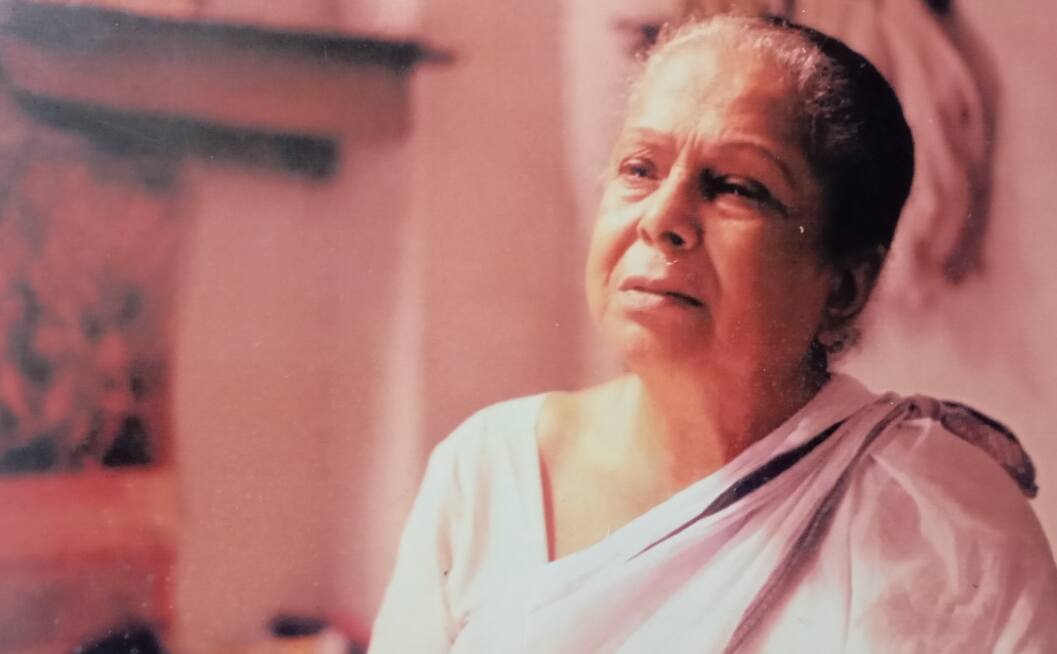
“There is a depth of storytelling in Indian film school productions. Our diploma films tell stories from Kashmir to Kerala and Jharkhand to Mumbai,” says Poddar, who is now a professor of direction and scriptwriting at SRFTI.
The next generation of Indian filmmakers
The next generation of Indian filmmakers trained on film school campuses has already begun making its mark on world cinema.
Mumbai-born Payal Kapadia, who won the Grand Prix - the second-biggest prize in Cannes - for All We Imagine As Light two years ago, competed in the festival’s film school category with her FTII diploma film Afternoon Clouds in 2017.
An autobiographical work about her grandmother being cared for by a full-time nurse, the short film would later evolve into the story of All We Imagine As Light.
In the same year that Kapadia won the Grand Prix, her FTII batchmate Maisam Ali became the first Indian filmmaker to screen a movie in the Cannes parallel selection ACID (Association for the Diffusion of Independent Cinema).
Set in his hometown of Ladakh, In Retreat by Ali was a Ladakhi and Hindi-language production about a community’s discomfort with the return of a man who had left his roots decades earlier.
Incidentally, Kapadia’s All We Imagine As Light was the first Indian film to be selected in the prestigious Cannes competition category - often referred to as the high table of world cinema - in three decades.
Before Kapadia, the last Indian filmmaker to compete for the Palme d'Or in Cannes was Malayalam director Shaji N Karun for Swaham in 1994. Karun, who passed away in April last year, was also a student of FTII, Pune.

Trade the hustle for the Shire: Inside the "hobbitmaxxing" trend
Spices, health and the Indian plate: Why chilli can be good for you—but moderation is still key
The right way to break up without feeling groggy
How Spider-Man actor Tom Holland has been on a sobriety journey of 4.5 years after being "addicted to alcohol"
Why Chennai is India's filter coffee capital, one tumbler at a time