


'India is trading up': Pernod Ricard CEO on Royal Stag's rise to No.1 globally
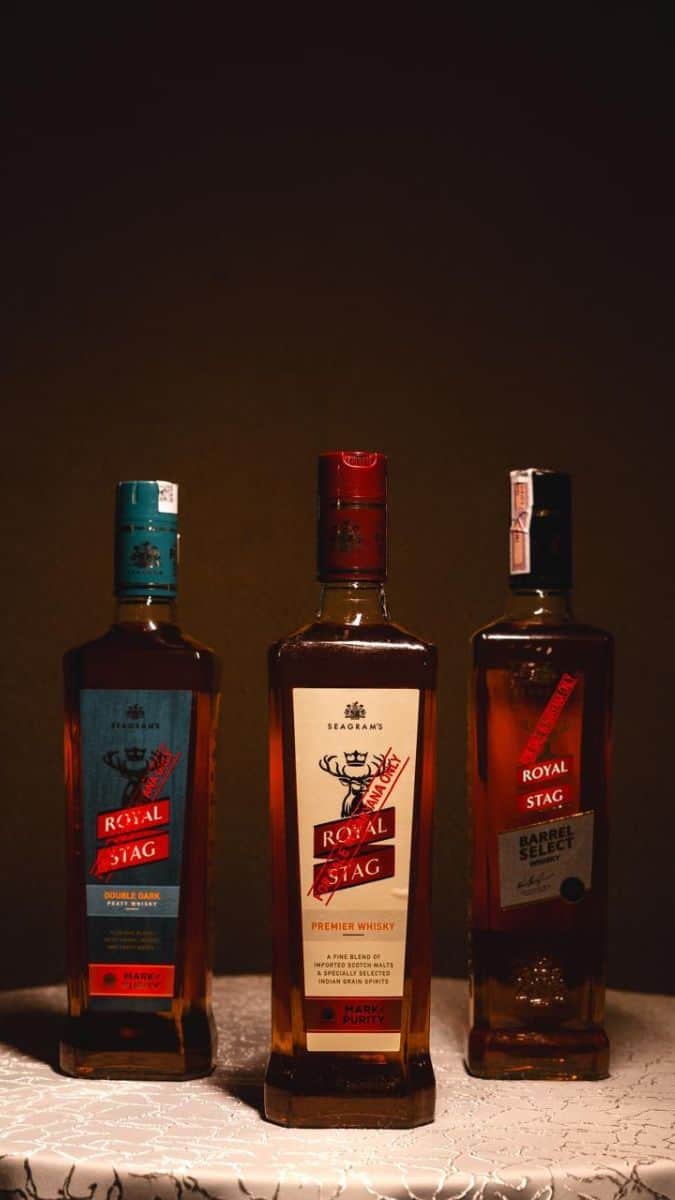
Royal Stag has overtaken McDowell's No. 1 to become the world's largest-selling whisky by volume, capping three decades of growth in India's booming spirits market. In this interview, Pernod Ricard India CEO Jean Touboul discusses the brand's ascent, premiumisation, evolving consumer tastes, and what lies ahead for the country's whisky industry.

India is the world’s largest whisky market by volume, so it comes as no surprise that many of the world’s largest-selling whiskies are Indian. The latest to claim the top spot is Pernod Ricard’s Royal Stag. According to the International Wine and Spirits Research rankings, the brand recorded annual sales of 32.6 million cases for calendar year 2025. And in doing so, it toppled Diageo’s McDowell’s No 1 off its long held perch.
Launched in 1995, Royal Stag was among the first major Indian whiskies to blend imported Scotch malts with premium Indian grain spirits, at a time when much of the market was dominated by molasses-based spirits. The whisky, now available in over 33 countries, grew nearly 75% over the last five years. In this interview with Firstpost, Jean Touboul, CEO of Pernod Ricard India, discusses Royal Stag's rise to the top, changing consumer preferences, premiumisation, and the future of India's whisky market.
 More from Lifestyle
Royal Stag has overtaken McDowell's No.1 to become the world's largest-selling whisky. Beyond the milestone itself, what does that say about the Indian whisky consumer today?
First, it says something about Royal Stag itself. The brand pioneered the use of grain-neutral spirit instead of molasses spirit, and we've continued to innovate so that it stays relevant for consumers. Then, it shows how big and powerful the Indian market is. It is riding two powerful tailwinds. One is demographic: India is a young country with more people reaching the legal drinking age every year, and that is not the case everywhere in the world. The other is economic.
Household incomes are rising and consumers are increasingly aspiring to better brands. Because we play in the premium segment, we benefit from that shift. Consumers want better quality, and Royal Stag has been able to meet that aspiration.
Conventional wisdom says liquor companies eventually have to choose between chasing volume and chasing value. Do you agree with that?
Not really. I believe we chase value, but when you chase value, volume is part of the equation anyway. It's about striking the right balance, and with Royal Stag, I think we do. We are more premium than many local products and offer consumers a higher experience, while still sitting at the sweet spot of the market, where the volume can be big because many consumers can afford that price point. So, it’s not one or the other. It’s one and the other.
What did selling Imperial Blue allow you to do that you couldn't do before?
You were asking about the choice we make between the volume and value, and I think it is really this choice of chasing more value instead of only volume. Imperial Blue has been a fantastic brand and part of Pernod Ricard's success story in India. But with Royal Stag becoming such a powerhouse and giving us the scale we needed, the need for Imperial Blue became a bit less. Selling the brand allowed us to refocus our resources on the higher end of the portfolio. Royal Stag has continued to accelerate and we also launched Exclamation at the end of last year. It's aimed at a different consumer, with a more innovative, playful proposition at a higher price point. It's all part of the same strategy.
What's the biggest change you've seen in the Indian whisky consumer over the last five years?
They do spend on higher quality, so they trade up. That's been consistent across the board. Honestly, it's not specific to India. We've observed it across the world. For a product that you drink, that you put in your body, people like to trade up as much as they can, depending on their purchasing power. The other big change is that consumers today have a much broader repertoire. Twenty or twenty-five years ago, people tended to stick to one category and one or two brands but today, they move across categories and experiment much more.
Five years ago, everyone was talking about gin. Now, it's tequila. What's the next category that could surprise the industry?
White spirits continue to grow, although gin has plateaued a bit. Tequila is an opportunity, particularly at the entry level and the very high end. We'll cater to both ends. Código will play at the luxury end, and we've just imported the first bottles of Altos, a 100% agave tequila that will sit at a sweet price point. The next category is always difficult to predict. But lately, flavoured vodka has been growing quite significantly, especially with local flavour profiles. That's an interesting development.
How important has premium retail become in shaping how consumers discover and buy premium spirits?
It's very important, especially for the premium end of the portfolio. We must never forget that the vast majority of what we sell in India is local IMFL. Those consumers don't necessarily go to fancy cocktail bars to discover brands. For them, it's about scale and the perceived quality we bring. But for imported spirits and our more premium brands, retail has become a much more important discovery channel. As state policies evolve, we're seeing more premium liquor stores. Haryana has been like that for a few years. But Andhra Pradesh is probably the most striking example. Until recently, it had government-run retail with very poor-looking shops, often hidden behind grills or brick walls. The new government invited private investment, and today some of the premium stores in Andhra Pradesh are as impressive as the best stores in Gurgaon.
Premiumisation has been the defining trend in India's alcobev market for years. What's the next big shift?
Premiumisation is still extremely relevant and will continue to be. I see premiumisation happening at every price point. Trade agreements like the India-UK FTA will also make more premium products accessible, giving consumers even greater choice. Innovation will become increasingly important, particularly in flavour profiles. In whisky, you can change the character of the liquid through different casks, different blends and different taste profiles. I think we'll see much more innovation around flavour, even within IMFL brands.

Trade the hustle for the Shire: Inside the "hobbitmaxxing" trend
Spices, health and the Indian plate: Why chilli can be good for you—but moderation is still key
The right way to break up without feeling groggy
How Spider-Man actor Tom Holland has been on a sobriety journey of 4.5 years after being "addicted to alcohol"
Why Chennai is India's filter coffee capital, one tumbler at a time