


How 'office air' might be silently affecting your skin, hair and overall health
Long hours spent inside offices may be doing more than causing fatigue. Experts warn that dry, poorly ventilated indoor air can silently damage your skin and hair, trigger dehydration and worsen respiratory issues. Here’s what 'office air' really means, the hidden health effects linked to it, and how you can protect yourself at work

Have you noticed your skin turning flaky, your hair becoming dry and unmanageable, or a constant feeling of dullness after spending long hours at work?
While office life is often associated with stress and exhaustion, experts say another invisible factor may also be affecting your wellbeing which is the air around you.
The term ‘office air’ has recently gained traction on social media, with many users discussing how prolonged exposure to air-conditioned indoor spaces may be impacting their skin, hair and overall health.
From dehydration and dull skin to hair fall and irritation, people online are increasingly linking workplace environments to subtle but persistent health concerns.
 More from Lifestyle
Though “office air” is not a clinical term, it is commonly used to describe the dry, climate-controlled and poorly ventilated indoor air found in many workplaces. Experts say that prolonged exposure to such environments can have both short-term and long-term effects on the body.
What exactly is 'office air'?
Speaking to Firstpost, Dr. Vaibhav Kalambe, Consultant Dermatologist, AIMS Hospital, Dombivli explains, “Office air, means the dry, climate-controlled, low-humidity, and recirculated indoor air in workplaces.”
Poor ventilation and continuous air-conditioning can significantly reduce humidity levels indoors, affecting the body in multiple ways.
“Even if the environment is cool, many people will feel dehydrated, experience muscle and joint pain, and dull and dry skin as the skin barrier is weakened. Some will also have migraine, sinusitis, or coughing or a cold.”
For many working professionals who spend nearly 9-10 hours inside office cubicles every day, exposure to artificial heating or cooling systems becomes unavoidable, especially during extreme weather conditions.
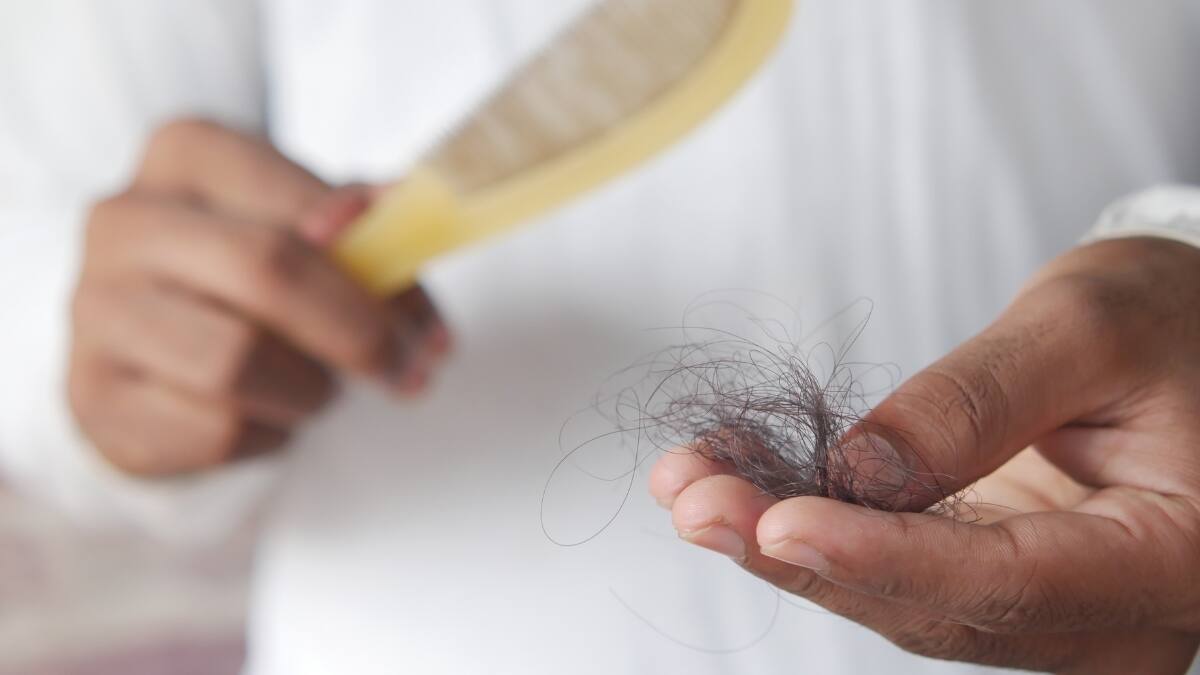
How office air may be affecting your hair
Experts say indoor air with low moisture levels can disturb the scalp’s natural balance, leading to dryness and hair-related issues over time.
“Chilled or heated indoor air can make hair lifeless and difficult to manage due to the reduced moisture balance. Over time, the scalp may become dehydrated and irritated, which can weaken hair roots and lead to hair breakage,” says Dr Kalambe.
Experts also note that dehydration, stress and constant exposure to indoor pollutants can worsen hair fall and scalp sensitivity.
The impact on your skin
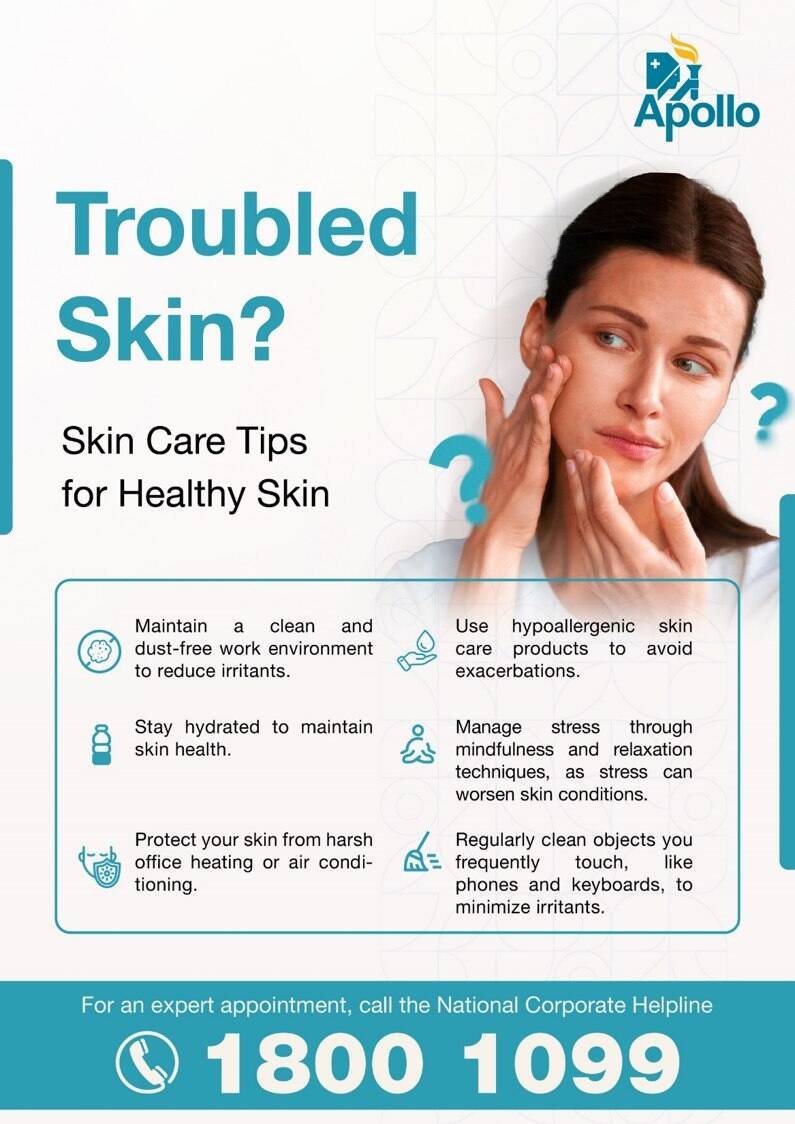
The effects of office air are often most visible on the skin. Dermatologists warn that low humidity and continuous ventilation can strip the skin of its natural oils, weakening the skin barrier.
Speaking about the effect on skin health, Dr Shareefa Chause, Dermatologist, Apollo Spectra Hospital, Mumbai says, “Low humidity and constant indoor ventilation can strip away the skin and scalp’s natural moisture, causing dryness, itching, sensitivity, flaky scalp, irritation, and inflammation. Hence, people will suffer from acne, eczema flare-ups, itching, redness, dull skin, dandruff, frizzy hair, and increased hair fall.”
According to experts, indoor office environments may also contain irritants that quietly aggravate skin and respiratory conditions.
Dust, bacteria and poor ventilation: The unseen triggers
Several elements circulating indoors may contribute to skin, hair and respiratory problems.
“Office air consists of dust, mold, bacteria, and printer emissions. So, poor ventilation and constant air circulation can increase exposure to these irritants, inviting skin and hair issues in many people,” says Dr Chause.
Experts add that poor hydration, workplace stress and lack of fresh air can further intensify these symptoms, often making people feel physically drained without understanding the reason.
“Lack of hydration, stress, and poor air circulation may also make the skin appear tired, tight, and uneven. This will be worrisome for many and warrants immediate attention by the doctor, who will guide you to keep the skin healthy and hydrated at work,” alerts Dr Kalambe.
In some cases, prolonged exposure to poor indoor air quality may also trigger respiratory discomfort, headaches and anxiety-related symptoms.
What can you do to protect yourself?
While avoiding office or controlling indoor temperatures altogether is not practically possible, experts say a few simple lifestyle habits can help minimise the damage caused by prolonged exposure to indoor air.
“Make sure to drink enough water, choose a moisturizer and sunscreen as recommended by the doctor, say NO to hot showers, don’t be constantly in an air-conditioned room, keep the scalp clean by using doctor-approved products only, and protect your skin and hair,” advises Dr Chause.

Dr Kalambe also recommends maintaining a consistent skincare routine to restore lost moisture and strengthen the skin barrier.
"You can opt alcohol-free facial mist, gentle cleanser, and use face serum as recommended by the expert. Sheet mask, sunscreen, ceramide-based lotions, a well-balanced diet, double cleansing, night-time skin routine should be done religiously, and your skin will surely thank you for saving it from the trauma."
Experts caution against blindly following online skincare trends or using treatments without proper medical consultation. Dermatologists advise seeking professional guidance before introducing new products or procedures.
A necessary reminder
Between meetings, deadlines and long working hours, many people often overlook the subtle ways office environments may be affecting their health.
Experts say paying attention to hydration, skincare, ventilation and self-care habits can go a long way in protecting your skin, hair and overall wellbeing, even inside your office cubicle.
An aspiring globetrotter, Arpita Chowdhury is a writer, poet, and researcher with a strong grounding in human-interest storytelling. She holds an MA in Journalism and International Affairs from University College Dublin, completed in collaboration with the CNN Academy. Her reporting and commentary have appeared in several national and international dailies, spanning travel, culture, politics, and people-centric narratives. Powered by adrak chai, she is always chasing stories that connect place with people. Reach her at arpita.chowdhury2@nw18.com
Tags

Trade the hustle for the Shire: Inside the "hobbitmaxxing" trend
Spices, health and the Indian plate: Why chilli can be good for you—but moderation is still key
The right way to break up without feeling groggy
How Spider-Man actor Tom Holland has been on a sobriety journey of 4.5 years after being "addicted to alcohol"
Why Chennai is India's filter coffee capital, one tumbler at a time