


5 famous artworks by women that were misattributed to men for centuries
From Michaelina Wautier to Artemisia Gentileschi, these works were misattributed to men for centuries, revealing how the art canon was built, and who it left out.

In 1993, in a museum depot in Vienna, an art historian came across a painting that didn’t make sense. It was vast, confident, technically ambitious: The Triumph of Bacchus (1655–59). And yet it had spent years in storage, unsigned and largely ignored. The reason, when it emerged, was disarmingly simple: it had been painted by a woman.
Her name was Michaelina Wautier. For centuries, the work had been attributed to men, often her brother, because its scale alone seemed to rule her out. Now, that erasure is being corrected. A major exhibition at the Royal Academy of Arts, London, brings together Wautier’s work in what is also the broadest survey of her practice to date, marking a wider effort to restore women to the art historical canon.
 More from Lifestyle
Women were excluded from training, discouraged from professional practice, and less likely to sign or preserve their work. Attribution followed expectation. As the art historian Linda Nochlin argued in 1971, the canon was never neutral; it was built within a system that assumed the artist was male. What we are seeing now is not discovery, exactly, but correction.
The Triumph of Bacchus (1655–59)
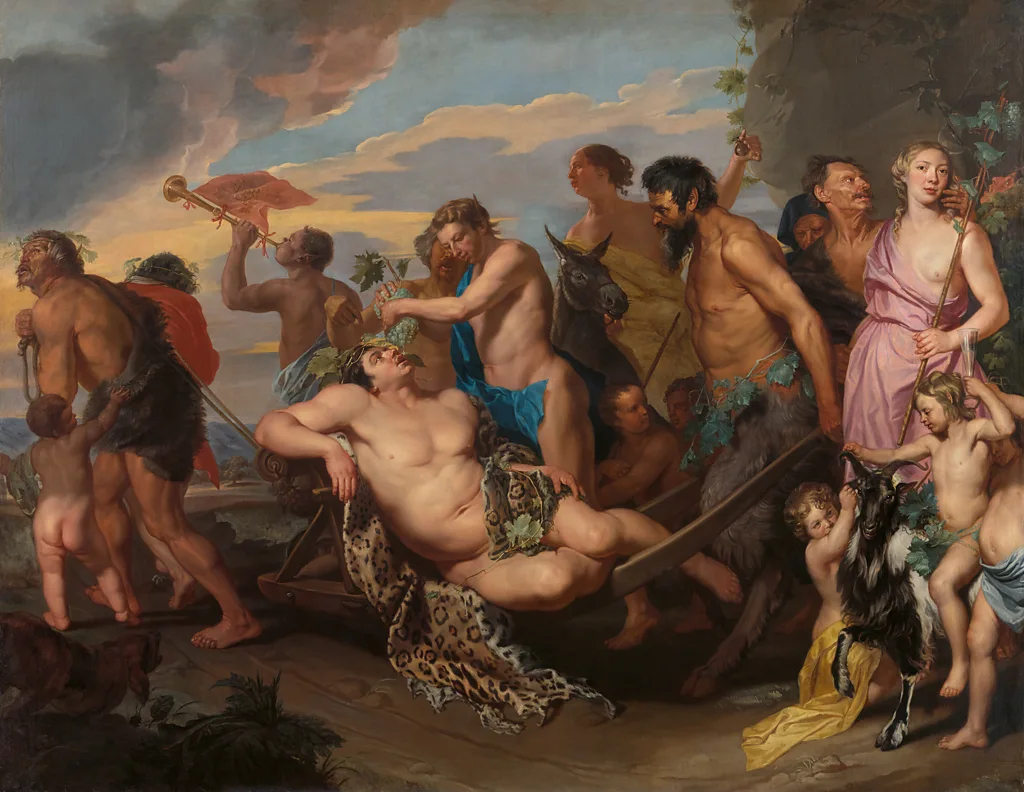
Once owned by Archduke Leopold Wilhelm of Austria, The Triumph of Bacchus was so large and ambitious that early scholars insisted it could not have been painted by a woman.
Instead, it was attributed to male artists, including Wautier’s brother. When the work was rediscovered in the 1990s, that assumption began to unravel. Today, it is considered one of the highlights of the Kunsthistorisches Museum’s collection.
Wautier had, in a sense, signed it already, inserting herself on the right side of the painting, meeting the viewer’s gaze, as if anticipating centuries of doubt.
Self Portrait as St Catherine of Alexandria (c1615–17)
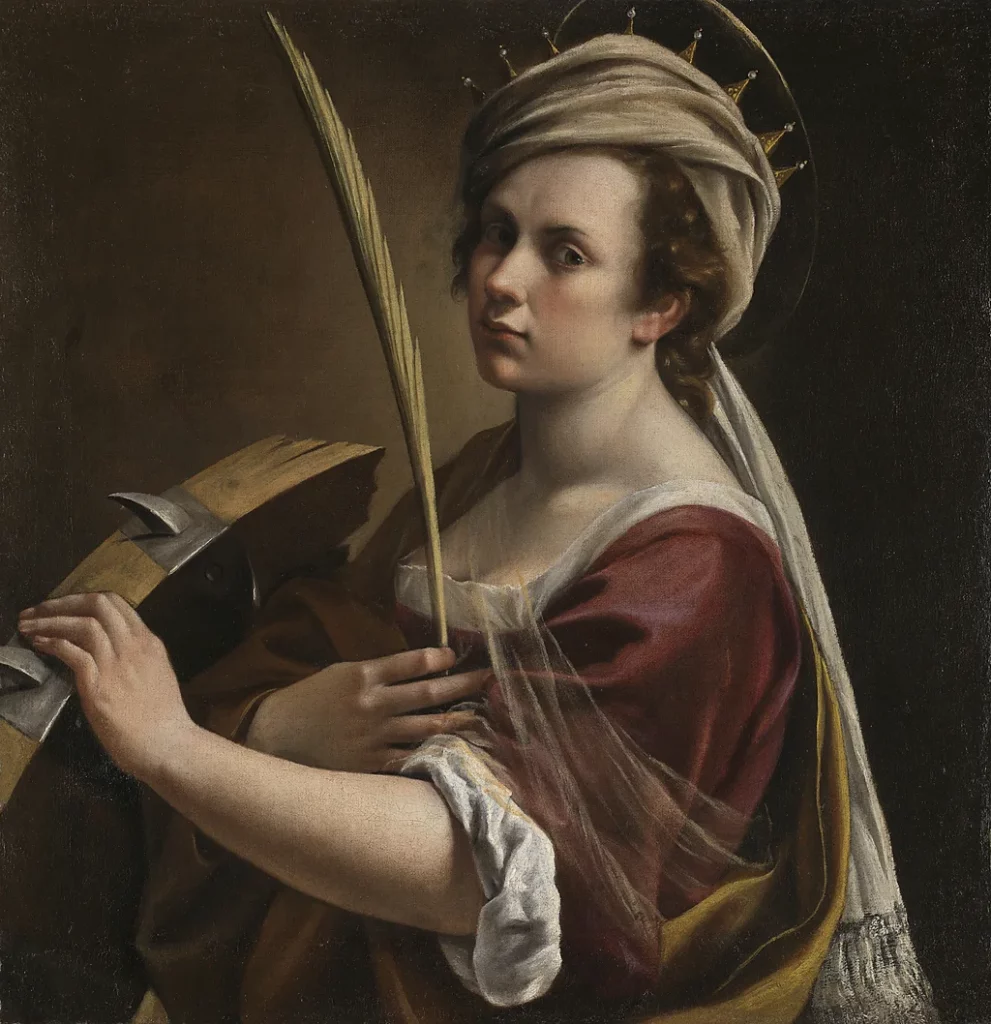
Artemisia Gentileschi was still a teenager when she began painting the formidable women who would come to define her work.This striking self-portrait by Artemisia Gentileschi was only formally attributed to her in 2017, after years of being linked to her father or to Caravaggio.
It shows the artist as the martyr saint beside the spiked wheel of her torture, a detail that echoes her own life: Gentileschi survived sexual assault and was herself tortured during the trial of her attacker. Her work consistently centres women who resist and avenge. Her catalogue is still being restored: her signature was uncovered on David and Goliath in 2020, and Susanna and the Elders was rediscovered in 2023.
Writing in 1649, she anticipated the doubt her name would face: “A woman’s name raises doubts… I will show what a woman can do.”
The Carousing Couple (1630)
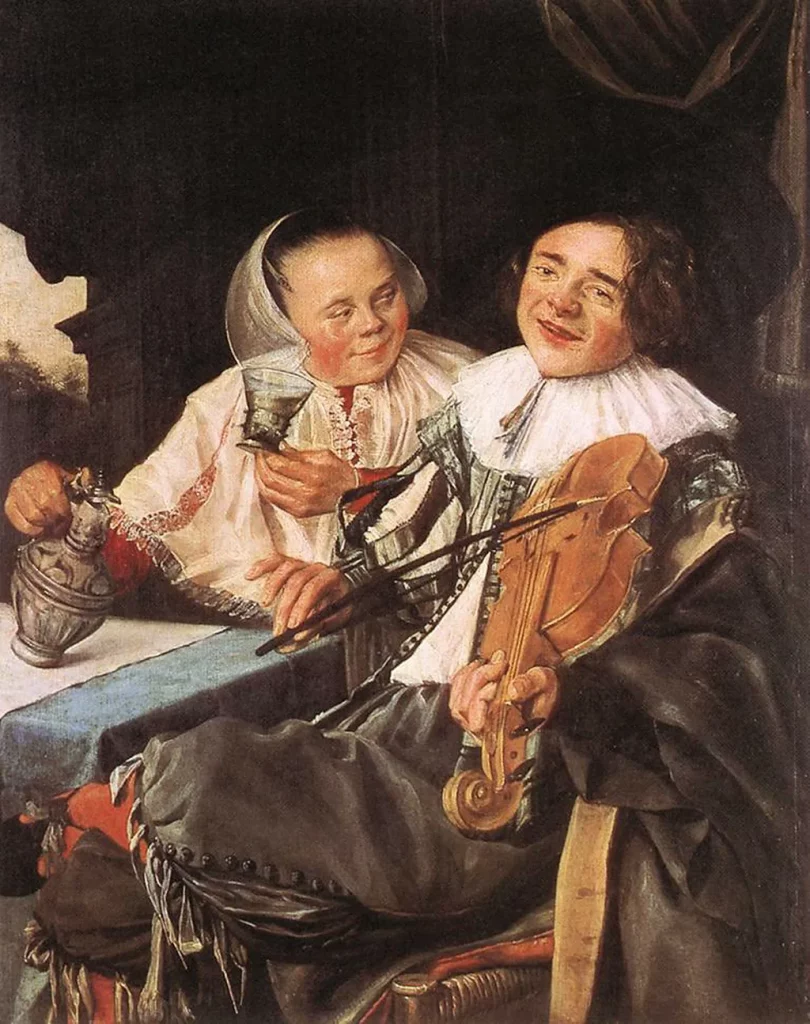
Judith Leyster was highly regarded in her lifetime, but after her death, her work was absorbed into that of men around her, often attributed to her husband or to Frans Hals.
The Carousing Couple, with its lively music and drink, was long believed to be by Hals until 1892, when an art dealer discovered Leyster’s monogram hidden beneath his signature. Despite rivalling his work in quality, her paintings had been reassigned to a more commercially valuable name.
Like many women artists, Leyster’s career was cut short, shaped by domestic responsibilities and likely collaborations that were ultimately signed by her husband.
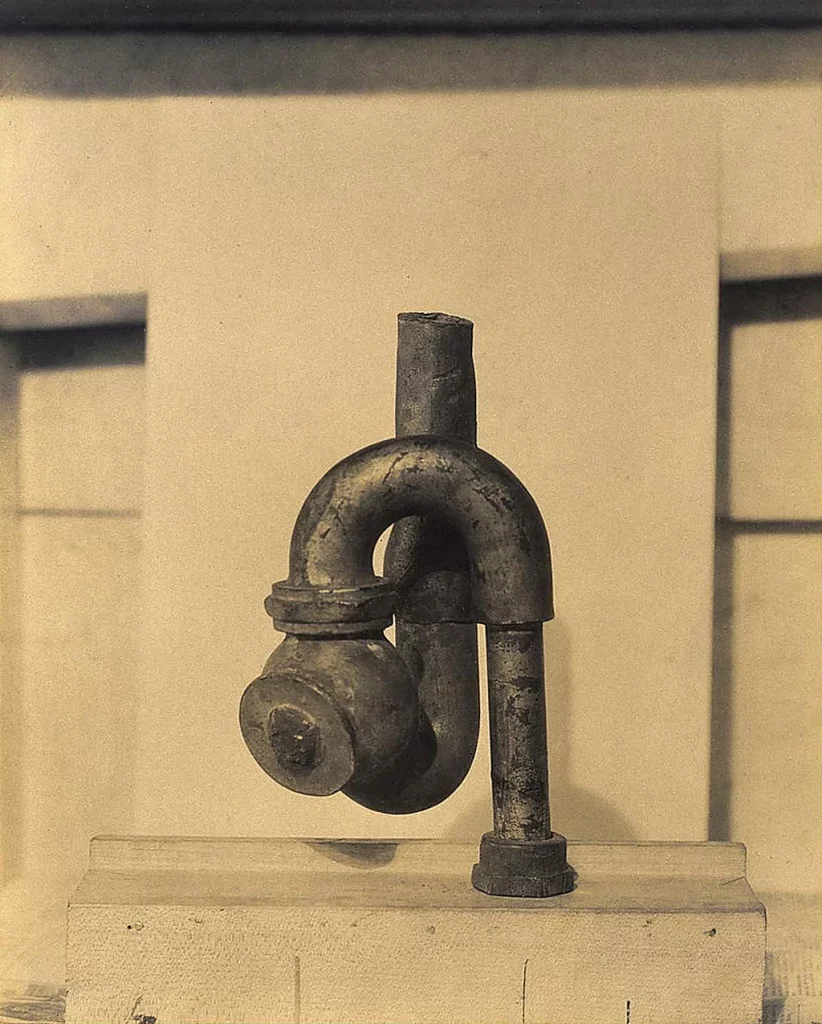
God (1917)
Even movements that claimed to break the rules often kept the same hierarchies. In her 1971 essay, Linda Nochlin argued that the art canon was shaped by a “white Western male viewpoint” that went largely unquestioned, a pattern that extended into modernism.
The Dada movement, despite its radicalism, was no exception. Artists like Baroness Elsa von Freytag-Loringhoven were often treated as muses rather than makers.
Her work, God, a cast-iron plumbing trap reimagined as sculpture, was long attributed to Morton Schamberg before her name was added in the early 2000s. Now recognised as one of the earliest “readymades”, it arrived a century too late to reshape her career.
Some scholars have also linked her to Fountain, suggesting her role in its creation. The evidence remains debated, but the pattern is familiar.
Tomorrow Forever (1963)
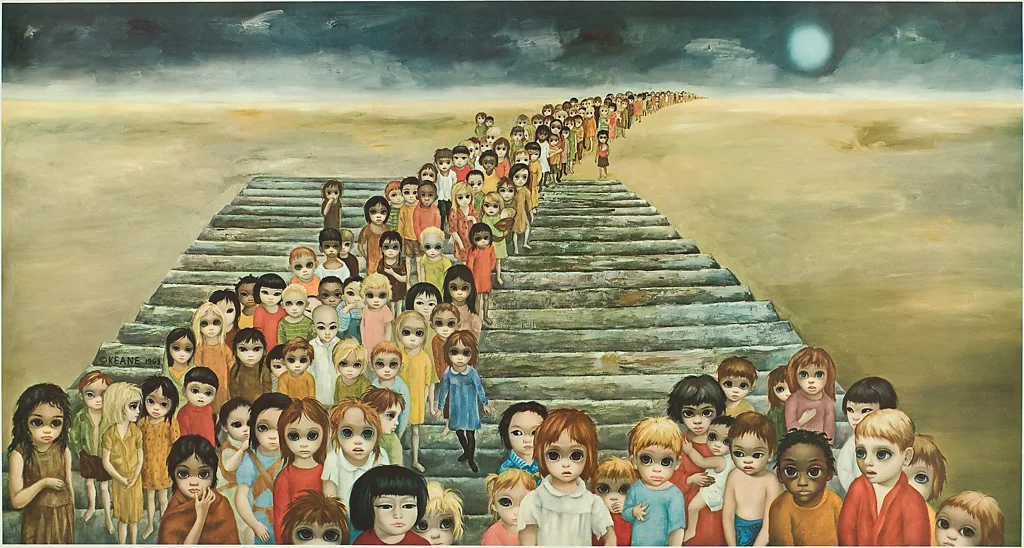
The story of Margaret Keane is one of the clearest cases of misattribution in modern art. Her wide-eyed, melancholic figures sold widely in the 1960s but were believed to be the work of her husband, Walter, who marketed them as his own.
As studies like Helen Gørrill’s have shown, attribution shapes value: works signed by men tend to gain worth, while those by women often do not.
Keane signed her paintings simply “KEANE”, allowing her husband to take credit, until their divorce led to a courtroom showdown. Both were asked to paint before a judge. Walter refused, citing a sore shoulder. Margaret completed a work, Exhibit 224, in under an hour. Authorship, in this case, was proven in real time.
What changes when we correct the record
Today, women account for a small fraction of major museum collections, around 1% in some institutions. The imbalance is not simply about representation; it shapes what is remembered, studied and valued.
Nochlin’s question—why have there been no great women artists?—was always meant to expose the structure behind the canon. It is not that women did not produce great art. It is that the systems that recognised greatness were not built for them.
Reattribution does more than restore a name. It changes how we see the work itself and leads us to question how many more remain misattributed, waiting to be seen.

Trade the hustle for the Shire: Inside the "hobbitmaxxing" trend
Spices, health and the Indian plate: Why chilli can be good for you—but moderation is still key
The right way to break up without feeling groggy
How Spider-Man actor Tom Holland has been on a sobriety journey of 4.5 years after being "addicted to alcohol"
Why Chennai is India's filter coffee capital, one tumbler at a time