


Measles outbreak: India reporting over 26,000 cases
Measles is making a worrying comeback across the globe, with outbreaks now reported in every WHO region. New surveillance data places India among the worst-affected countries, underscoring persistent gaps in vaccination coverage and the continuing threat posed by one of the world’s most contagious diseases.

Measles is once again emerging as a major global public health concern, with new data showing outbreaks across every region of the world and India recording the second-highest number of reported cases during the latest surveillance period.
According to provisional surveillance data submitted to the World Health Organization (WHO) as of July 2026, India reported 26,607 measles cases between December 2025 and May 2026. Only Bangladesh recorded more infections during the same period, while Yemen, Mexico and Pakistan also reported significant outbreaks.
The figures, highlighted by the U.S. Centers for Disease Control and Prevention (CDC) in its latest global measles update, reflect a broader resurgence of a disease that had declined during the COVID-19 pandemic but has since returned as routine childhood immunisation programmes continue to recover unevenly.
A highly contagious virus finding new opportunities
Measles remains one of the most infectious diseases known to humans. The virus spreads through respiratory droplets and can remain suspended in the air for up to two hours after an infected person has left a room. Because of this, even brief exposure can result in infection among people who are unvaccinated or whose immunity has waned.
 More from Health
The CDC warns that measles can easily cross borders through international travel. An infected traveller may not know they have the disease during its incubation period, allowing the virus to spread to others before the characteristic rash develops.
“Measles anywhere is a threat everywhere,” the agency notes, stressing that outbreaks in one country can rapidly affect another if vaccination coverage is inadequate.
Although measles was declared eliminated in the United States in 2000 — meaning there was no continuous local transmission — the country continues to experience imported cases linked to international travel. Similar risks exist for many nations, including those with otherwise strong healthcare systems.
India among the hardest-hit countries
Bangladesh has reported the largest measles outbreak during the latest surveillance period, with 42,174 cases, followed by India with 26,607. Yemen, Mexico and Pakistan have also recorded significant outbreaks, reporting 14,521, 12,495 and 11,037 cases respectively. Cameroon, Kazakhstan, Guatemala, Angola and Sudan complete the list of the 10 worst-affected countries. The WHO cautions that these figures are provisional and may change as countries continue to update their surveillance data.
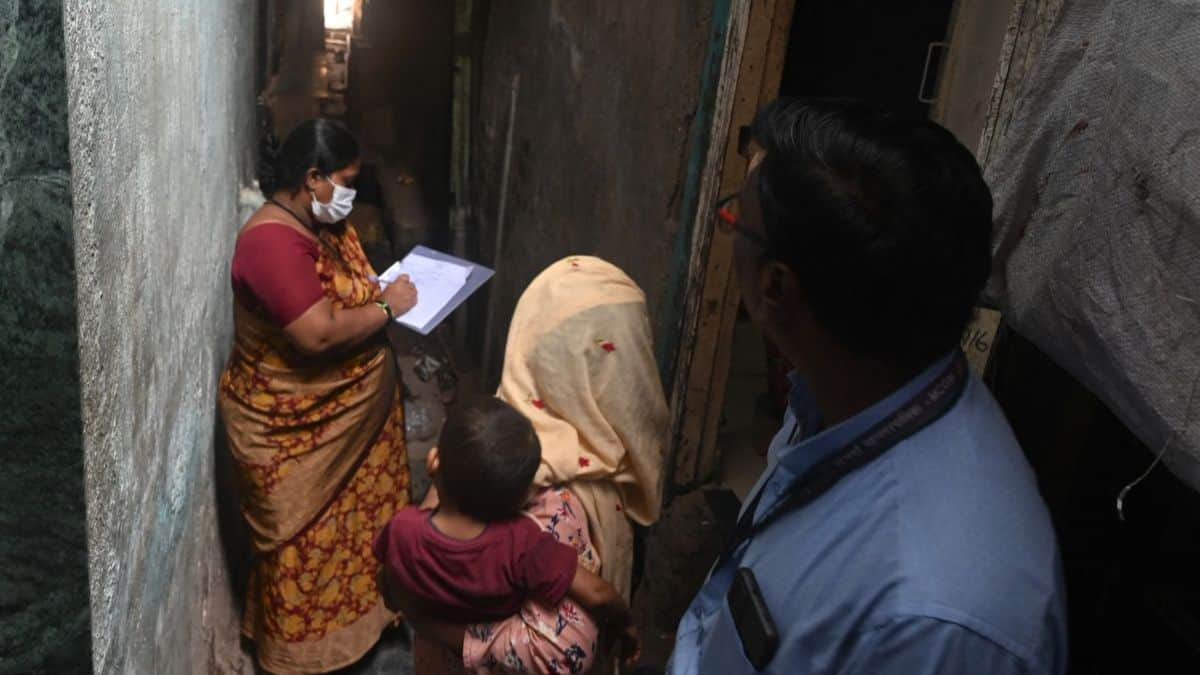
The accompanying surveillance analysis also indicates that cases are not distributed evenly within countries. In India, the burden has been concentrated in several states over the past year, highlighting the importance of maintaining consistently high vaccination coverage across all regions rather than relying on national averages alone.
Children continue to bear the greatest burden
The latest outbreak data shows that measles continues to affect young children disproportionately. Most reported infections occur in children under the age of 10, with the highest incidence rates seen among infants and young children who are either too young to be fully vaccinated or have missed one or both recommended doses.
Initial symptoms usually include high fever, cough, runny nose and red, watery eyes, followed several days later by the disease’s characteristic red rash. While many patients recover completely, measles can also cause severe complications, including pneumonia, ear infections, diarrhoea, brain inflammation (encephalitis), blindness and, in some cases, death.
Children who are malnourished, vitamin A deficient or have weakened immune systems face a significantly higher risk of severe illness.
Globally, the WHO estimates that measles remains one of the leading vaccine-preventable causes of death among young children despite the availability of a safe and effective vaccine.
Vaccination remains the strongest defence
Public health experts say the current resurgence is closely linked to gaps in routine immunisation that widened during the COVID-19 pandemic. Disruptions to healthcare services, delayed vaccination appointments and declining coverage in some communities created immunity gaps that the virus is now exploiting.
WHO and UNICEF estimates show that coverage with the first dose of the measles-containing vaccine has steadily improved over the past two decades, while second-dose coverage has also risen substantially. However, global coverage remains below the level needed to prevent sustained transmission.
Health authorities recommend two doses of a measles-containing vaccine, which provide long-lasting protection against infection and significantly reduce the risk of severe disease and complications.
Experts say maintaining high vaccination rates across all communities — not just nationally — is essential because even small pockets of under-vaccinated populations can fuel large outbreaks.
The CDC also advises travellers to ensure they are fully vaccinated before international travel, particularly when visiting countries experiencing active outbreaks.
As measles continues to spread across continents, public health agencies are emphasising that the disease is entirely preventable through vaccination. The latest figures serve as a reminder that while significant progress has been made over the past several decades, maintaining that progress depends on sustaining high immunisation coverage, strengthening disease surveillance and ensuring that missed vaccinations are rapidly caught up before outbreaks can take hold.

Stroke in young adults, silent symptoms and late diagnosis: India's growing brain health challenge
Brain tumours aren't always fatal, but delayed diagnosis can be: Experts explain the key warning signs
Spices, health and the Indian plate: Why chilli can be good for you—but moderation is still key
Organ donation: 5 myths you need to stop believing, according to a transplant specialist
Fish over meat: Why a pescatarian diet may help people with obesity live longer