


Inside Pakistan’s HIV outbreak: What’s going on in Sindh as 130, mostly children, test positive?
A whopping 130 people, mostly children have tested positive in Pakistan’s Sindh province. An inquiry has revealed that improper use of syringes and other safety lapses by the medical staff at Kulsum Bai Valika Hospital are to blame for these infections

A healthcare crisis has broken out in Pakistan as more than 130 people, mostly children, have been diagnosed with HIV, in an outbreak linked to negligence at government-run healthcare facilities in Karachi.
The infections have been traced to Kulsum Bai Valika (KBV) Hospital, a facility operated by the Sindh Employees’ Social Security Institution (SESSI). According to investigations, the outbreak is linked to serious lapses in infection prevention protocols, inadequate use of protective equipment, and improper handling of single-use syringes.
What do we know about the HIV outbreak? What caused it? And what action are authorities now taking?
What is known about the current HIV outbreak in Pakistan?
Last week, Sindh Labour Minister Saeed Ghani noted that more than 10,500 people had been screened in and around KBV Hospital, where 120 people, including children, tested positive for HIV.
 More from Explainers
A separate screening exercise at Karachi’s Landhi area identified 10 additional infections, taking the total number of confirmed cases to at least 130.
The outbreak first drew attention in November 2025 after residents reported an unusually high number of HIV infections among children treated at KBV Hospital.
What safety lapses were uncovered by the authorities?
After receiving news of a rise in HIV cases, Pakistan’s authorities carried out investigations.
And on July 14, Sindh Chief Minister Murad Ali Shah said two internal investigations had uncovered major failures in hospital safety standards.
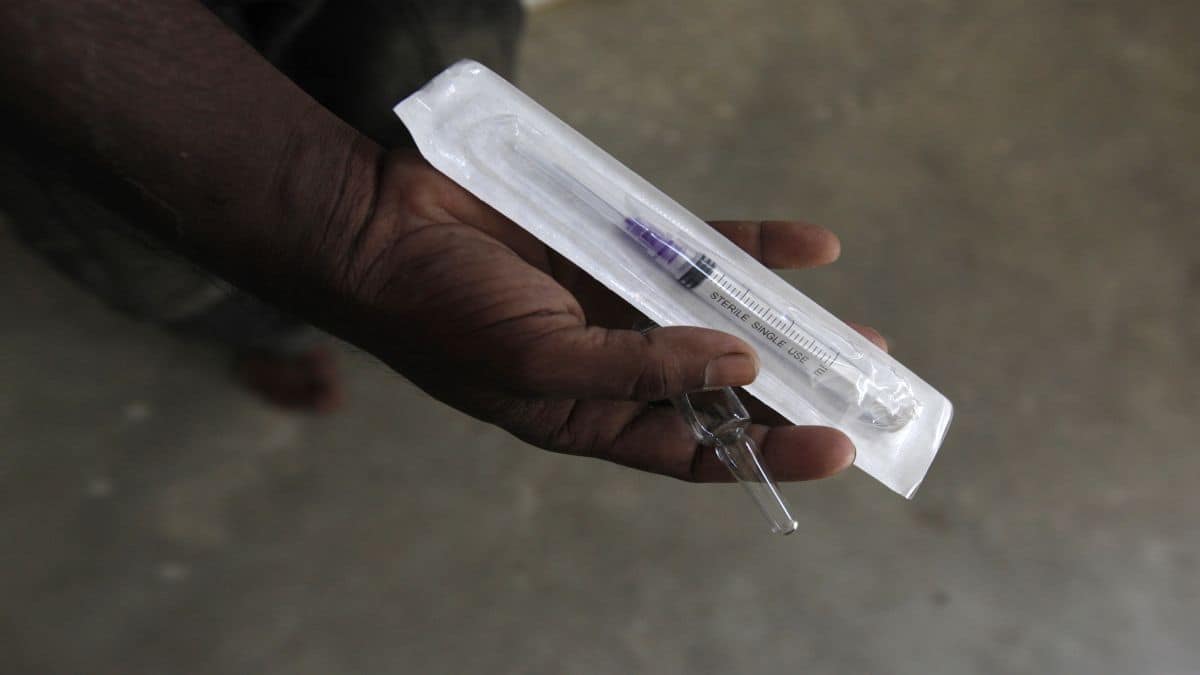
According to the inquiry reports, staff at the hospitals failed to follow infection prevention protocols, protective equipment was not used properly, and there were shortcomings in the handling of single-use syringes.
Reports state that a team from the Sindh Healthcare Commission visited the KBV Hospital and found many safety measures had not been implemented. For instance, staff were unable to explain how used needles were being disposed of or whether any alternative disposal method was in place.
The inspection team further “noted that no formal IPC (Infection Prevention and Control (IPC) training had been provided to the hospital staff, reported The Dawn.
The hospital’s autoclave, a machine used to sterilise medical equipment, could also not be determined. “The working condition of the autoclave could not be verified during the visit. Nursing and operation theatre (OT) staff were also not available during duty time, which was making it difficult to assess routine infection control practices,” said authorities.
It was also found that medical waste was not being segregated and disposed of in accordance with guidelines. Moreover, the private contractor responsible for collecting and disposing of medical waste had not received proper training.
What action have authorities taken on the issue?
Following these revelations, authorities have stepped in and moved the 120 individuals, who have tested positive so far, to provide them with treatment at the expense of the government. According to Ghani, all affected children were receiving treatment at five leading institutions, including Indus Hospital, AKUH, and Dow University of Health Sciences.
He announced that a standing committee of leading medical experts would be constituted to supervise both treatment strategy and management of a Rs2 billion endowment fund set up for the affected children’s long-term treatment.
He added that strict action would be taken against those found negligent, including dismissals, FIRs, and imprisonment. As of now, 37 doctors and hospital employees have been issued showcause notices, giving them 14 days to explain their conduct.
He clarified that all hospital-linked infections predated October 2025 and that no new case originating at Valika Hospital had been reported since. “Screening continues in both hospitals and surrounding communities,” he added.
When asked if he would take any responsibility in the matter, Ghani was quoted as saying that he had accepted indirect responsibility. “If my resignation could resolve the issue, I have no objection,” he said, according to the Dawn.
Moreover, Pakistan’s Federal Health Minister, Mustafa Kamal, has also said HIV screening will become mandatory before surgeries nationwide.
How is the new outbreak part of a larger problem?
The HIV outbreak in Sindh is not an isolated incident. Last December, the World Health Organization and UNAIDS warned that Pakistan is experiencing one of the fastest-growing HIV epidemics in the WHO Eastern Mediterranean Region.
The number of HIV infections has risen significantly over the past 15 years — a 200 per cent hike from 16,000 cases in 2010 to nearly 48,000 in 2024. According to health experts, around 35,000 people in Pakistan live with HIV, with almost 80 per cent of them being unaware of their condition.
The situation is particularly worrying among children. HIV infections in children aged up to 14 years increased from 530 in 2010 to 1,800 in 2023. Only 38 per cent of children living with HIV currently receive treatment, while just 14 per cent of pregnant women needing medication to prevent mother-to-child transmission have access to therapy.
In June, Al Jazeera reported that physicians writing in the British medical journal The Lancet HIV argued that Pakistan’s epidemic is now driven “in large part, by the health-care system itself”, pointing to repeated outbreaks linked to unsafe medical practices.
Syed Faisal Mahmood, professor of infectious diseases at Aga Khan University Hospital in Karachi, told Al Jazeera that the outbreak was a systemic problem. “It is not linked to any one hospital or healthcare system. Poor injection safety protocols are pervasive throughout the entire country and across all levels of healthcare.”
With inputs from agencies
Tags

Military drones & police check-ups: How Sri Lanka is fighting against worst dengue outbreak in a decade
How Facebook job ad lured 2 Karnataka men into Myanmar cyber scam camp
Why is India seeing 95% cloud cover despite a Super El Niño?
What is CJP’s fourth demand to the government as protests in Delhi intensify?
The new geography of war: Why the Houthis can no longer be ignored