


0% now, 200% later: What Trump’s phased generic drug tariffs mean for India
US President Donald Trump has announced that generic drugs will face zero tariffs for two years from August 1, before a 100 per cent levy takes effect in August 2028 and rises to 200 per cent a year later. This move could impact India, as it supplies nearly 40 per cent of all such drugs to the nation

Donald Trump has often spoken about his fondness for tariffs. The habit of imposing or threatening these levies has even earned him the nickname of ‘Tariff Man’. And now, the US president has once again announced plans of imposing these tariffs — this time, on generic drugs.
On July 21, US President Trump announced a plan to impose tariffs on imported generic drugs, as part of a bid to push pharmaceutical production back to the United States.
This move by Trump is likely to impact India quite significantly. Here’s why and how.
What has Trump announced?
On July 21, US President Donald Trump announced steep tariffs on imported generic drugs from August 1.
In a post on social media, he explained that the tariffs will be levied in a phased manner — zero tariffs for the first two years, which would climb to 100 per cent in 2028, and then 200 per cent thereafter.
 More from Explainers
“Effective August 1st, 2026, all generic drugs being brought into the United States will continue to have a tariff of zero per cent for two years, after which the tariff will be raised to 100 per cent for one year, and 200 per cent thereafter,” wrote Trump on Truth Social.
The US president added that the step is being taken “in order to reshore generic pharmaceutical production into America, with a penalty to those companies that decide not to build plant and equipment within the stated period of time given to them.”
A White House official told The Politico in an email that the administration plans to use Section 232 of the Trade Expansion Act of 1962, which is used to address national security concerns stemming from a reliance on imports, to impose the levies.
In his announcement, Trump noted that his policy on branded drugs will not change. “The policy on patented, branded, or innovative drugs, which has been so successful, will remain as is,” he said.
Earlier, the American leader had imposed a 100 per cent levy on imports of branded and patented pharmaceutical drugs. He, however, had stated then that such a heavy tariff wouldn’t be imposed if the drug company was to set up manufacturing plants in the United States.
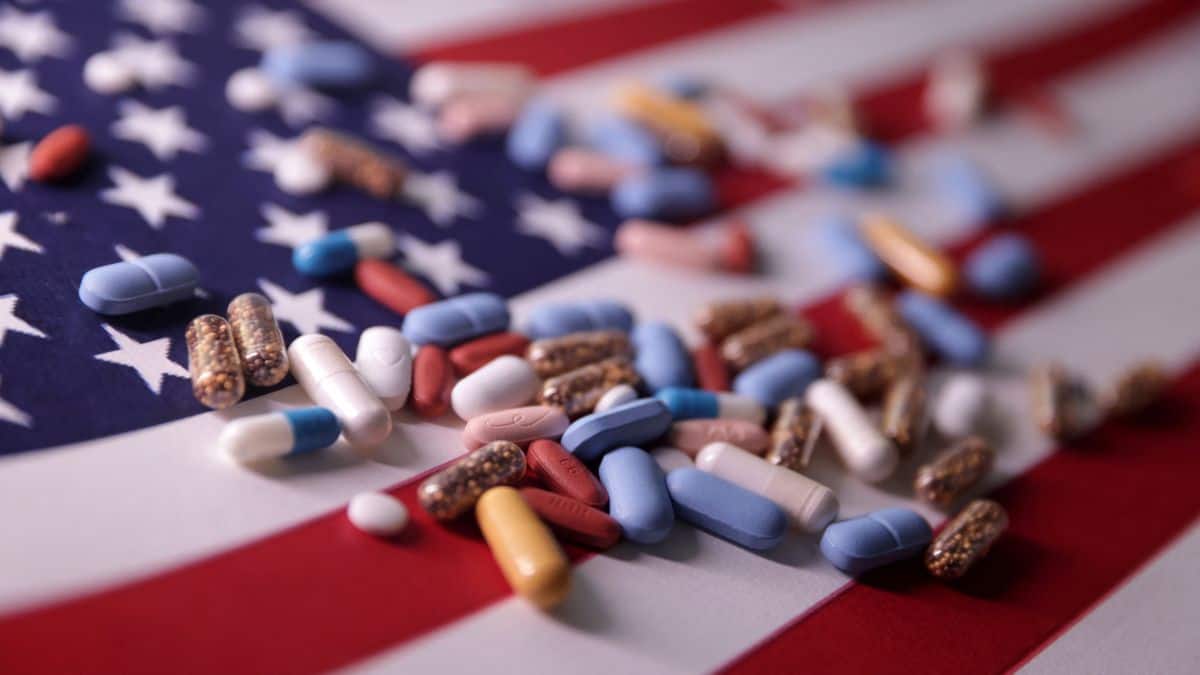
What are generic drugs?
According to the US Food and Drug Administration (FDA), generic drugs are copies of branded drugs. They contain the same active ingredients and work the same way in the body as the brand drug. They do not need to contain the same inactive ingredients as the name-brand product.
Generic drugs are traditionally 80–85 per cent less expensive than brand-name medications. This is because the manufacturers have not spent money on the drug’s discovery, development, and marketing.
Today, generic medicines account for most prescriptions filled in the US. In 2025, the FDA noted that nine out of 10 prescriptions filled are for generic drugs.
How could Trump’s tariff plan impact India?
The announcement of Trump’s tariffs on generic drugs is significant for India, which is often known as the “pharmacy of the world”. That’s because India is the largest global supplier of generic medicines, accounting for around 20 per cent of global supply, manufacturing about 60,000 generic brands across 60 therapeutic categories.
In fact, in the US, Indian generic medicines make up nearly 40 per cent of all drugs by volume. Indian generic medicines are widely prescribed in the US for hypertension, depression, diabetes, cancer and infectious diseases. In 2024, the Financial Post reported that almost 65 per cent of birth control prescriptions were manufactured by India’s Glenmark Pharmaceuticals Ltd and Lupin Ltd.
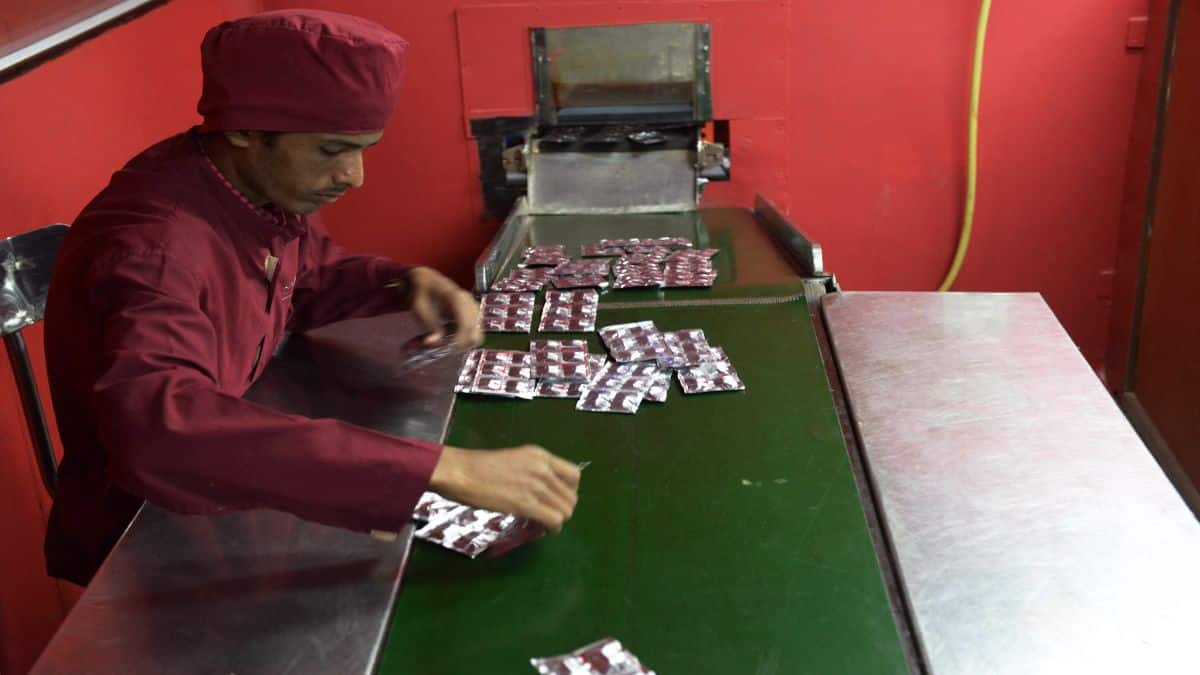
While there won’t be an immediate impact from Trump’s announcement, the subsequent implementation of tariffs could make the Indian generic medicine exports more expensive and less competitive in the US market.
Indian pharmaceutical companies such as Sun Pharma, Dr. Reddy’s Laboratories, Aurobindo Pharma, Lupin, Zydus Lifesciences, Cipla, Glenmark Pharmaceuticals, and Torrent Pharmaceuticals would be affected by these tariffs.
Sun Pharma has a major share in US prescription drugs in dermatology. Similarly, Cipla supplies generic respiratory medications such as inhalers and complex drugs. Alkem Laboratories exports a large number of generic antibiotics, gastrointestinal and pain management drugs to the US.
The impact, however, would differ for each company. Notably, shortly after Trump’s announcement, pharma stocks declined on the Indian stock market. Lupin, Gland Pharma, Aurobindo Pharma, Ajanta Pharma, Sai Life Sciences and Zydus Lifesciences shares were among the top losers on the Nifty Pharma index, falling more than two per cent each, reported LiveMint.
The tariffs by Trump would force these firms to set up manufacturing units on US soil, affecting India’s export numbers.
Will this move make medicines costlier in the US?
In the long run, Trump’s tariffs could make drugs more expensive in the US. If import costs rise sharply due to tariffs, drug manufacturers could pass some of the additional cost to distributors and healthcare providers. Insurance companies may face higher reimbursement costs, and patients could ultimately pay more for medicines.
Some analysts also told Reuters that the reduced competition could exacerbate existing drug shortages if companies decide exporting to the US is no longer commercially viable.
However, the actual impact will depend on how quickly US-based production expands.
With inputs from agencies

Military drones & police check-ups: How Sri Lanka is fighting against worst dengue outbreak in a decade
How Facebook job ad lured 2 Karnataka men into Myanmar cyber scam camp
Why is India seeing 95% cloud cover despite a Super El Niño?
What is CJP’s fourth demand to the government as protests in Delhi intensify?
The new geography of war: Why the Houthis can no longer be ignored