


Life News - Page 7

IPL ads: Paintball, cross dressing and other things that don't add up
Come IPL season, you know you’ll be slapped in the face by a bunch of advertisements. Most bad, some ugly and, if you’re lucky, at least one that’s good. This season there seems to be more of the bad and ugly than the good.
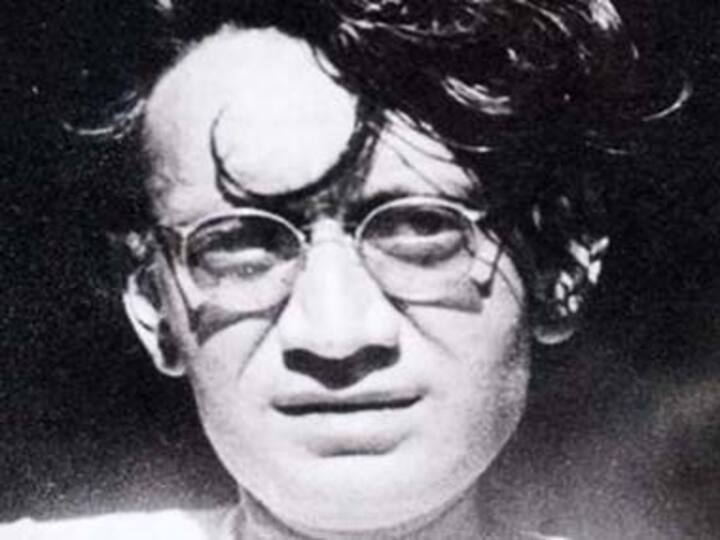
How Sadaat Hasan Manto is relevant to our times
I wanted to write today about why it is important that the non-fiction of Manto be translated as it has been in this Firstpost series, of which only six pieces remain, for the last few months.

Mystery of Maharashtra’s happy sugarcane leopards
Till the water flows in the irrigation canals, these cats will make happy headlines. Then they will be as doomed as any other leopard unless we learn to hold our nerve.
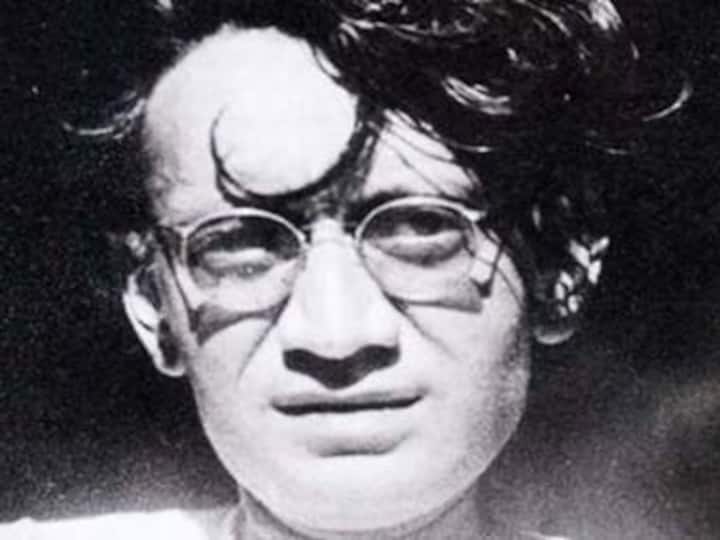
Manto on right questions and wrong
The fact is that the ideological state suppresses the individual through denying freedom of speech. Manto takes this aspect of Pakistan head on.

Ford ad another example of why Indian thinking must change
Having an ad with women tied up in the boot of a car wouldn't matter if the men viewed it as a fiction. The Ford India ad is a problem because too many people CAN'T tell the difference between words and images and their own actions.
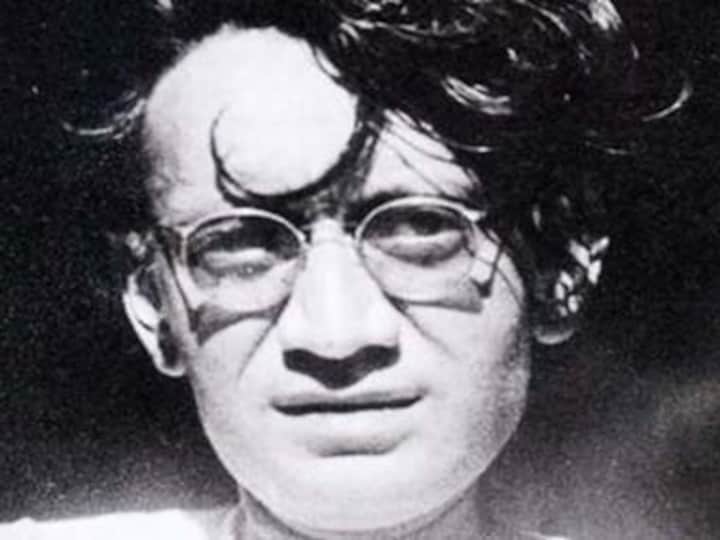
Manto's review of PC Barua's Zindagi
this is the only film review Manto ever wrote. The film is called Zindagi and it stars Saigal singing some of his biggest hits, 'So ja rajkumari' and 'Main kya janu kya jadu hai'.
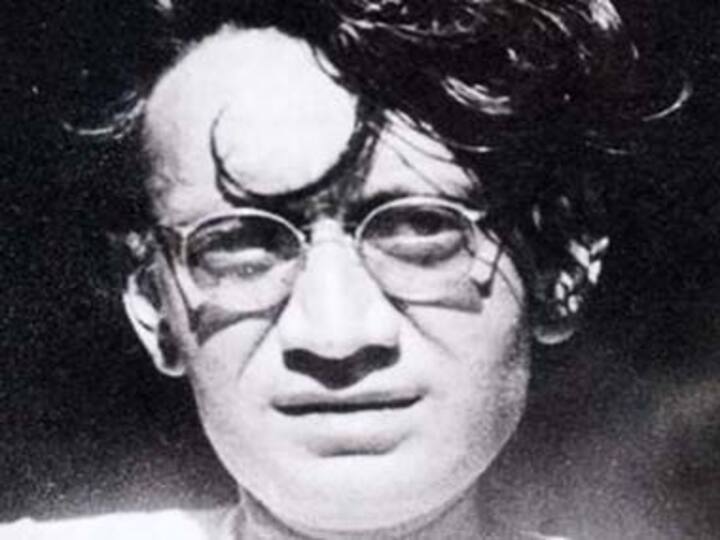
What women want: Manto on eve teasing and flirting
Trust Manto to take up a subject as unusual as the forcible interaction between sexes - what we call eve-teasing and molestation in India - and write this long essay on it.
Partition of India: Manto on why Pak never stopped being violent
Manto thought the violent forces that had been unleashed during that period would remain in Pakistan's society, damaging it. In this piece he tells us the country would become increasingly violent unless the matter was taken up.
Manto's Anna Hazare moment: Who will save India?
This is Manto's Anna Hazare moment. His shriek of protest against politicians he thinks are bringing the nation to ruin.
Business of blasphemy: Manto on Pakistan's colourless future
Manto sketches an apocalyptic, Mad Max-type future for Pakistan in this essay, as he began to recognise its Orwellian trajectory. Who can say he had it wrong?
Cigarette snatchers: Manto on the spoils of World War II
During World War II, the Army had been expanded and used to consume vast quantities of foodstuffs. These were rationed across India, as also were cigarettes, which now had to be got from the black market. Manto here talks about people who bummed cigarettes off him.

Maha Kumbh Mela: Not just about religion, it's about poverty too
The Maha Kumbh mela is the largest congregation of people in the world. No matter what the news reports say or what visuals you might have seen, nothing can prepare you for the sight as you first come across the grounds.
From pillow to pistol: Manto on the meaning of 'deterrence'
Saadat Hasan Manto lived through World War II and his most productive writing years in India were 1939-1945. This was the period where nations had converted industrial factories into armaments producing units.
Manto on his fifth trial for obscenity and his illness
This is the second essay Manto wrote on his fifth trial for obscenity. It was the last time the state would harass him, and he would die soon after the trial.

Beware Inkaar: How NOT to do a film about sexual harassment
If ever there was a worse advertisement for women who’ve broken through the glass ceiling, it is Sudhir Mishra’s Inkaar. It's a sad day when Karan Johar and Abbas-Mustan depict women better than Sudhir Mishra.
The frivolities of justice: Manto on the court of law
Manto was tried several times for obscenity in British India, but it was only after independence that his legal troubles sent him into despair. The essay he mentions as causing him the most trouble is called Thanda Gosht, and is about necrophilia during a riot.
Manto on the violence that trailed Quit India Movement
Manto was probably the best observer of communal violence in Bombay. In this piece, he writes of the mayhem that came to the city during the Quit India Movement.

Boiling milk, freezing ACs: Why are we so callous about resources?
Pasteurised milk delivered to you at your doorstep does not need heating. Of course, nobody told you that.
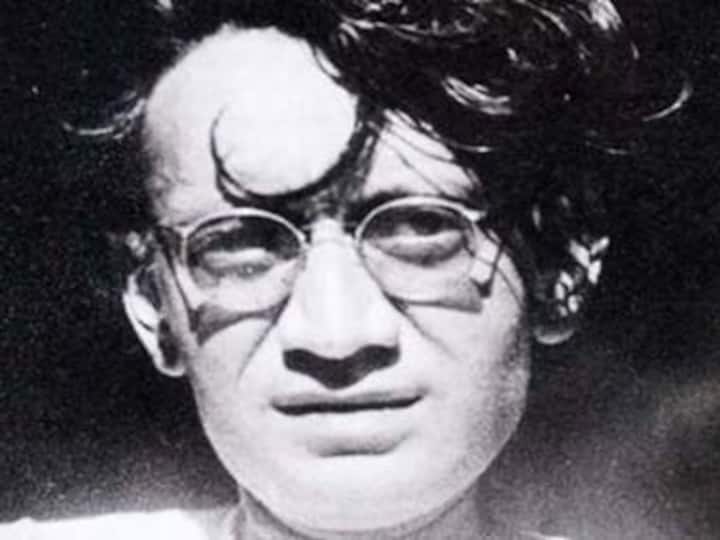
Manto on the chaos that was the Partition of India
We are fortunate that Manto brought his skills as a writer and an obserer to the days of Partition in Bombay. Manto then tells us, through his experiences in Pakistan, how silly the whole enterprise is.
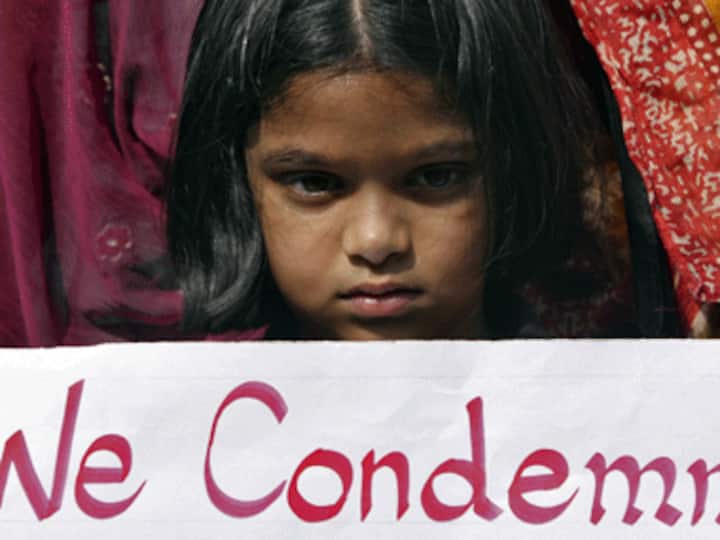
Delhi rape: No woman will ever feel safe if another does not
If we really seek change, let us stop lying about ourselves. When it comes to gender, there cannot be any hierarchy of safety or sensitivity.
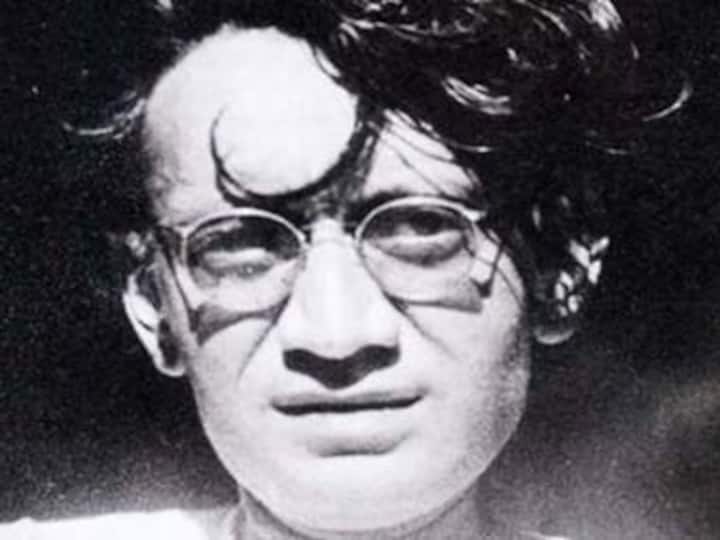
Of bad luck and spring cleaning: Manto on his wedding
In this, the final episode of the story of his wedding, Manto tells us how he eventually crosses the line. Watch out for the personalities who play a part in this drama. Most are now forgotten, but in their day they were giants of Indian cinema.

You have to learn from your mistakes: Masaba Gupta on Neena Gupta
Neena Gupta created a firestorm when she had a child with cricketer Vivian Richards. Now a designer in her own right, Masaba Gupta says she knows she could have had a rough childhood but her mom was always there.

Chennai’s kaapi act that’s hard to copy
You still have to come to Chennai for the real filter coffee. As every Madrasi great grandmother will tell you, it all starts with the right proportion of coffee and chicory seeds, roasted just so over a fire, then immediately powdered in a good old handgrinder bought in Mylapore’s bylanes.
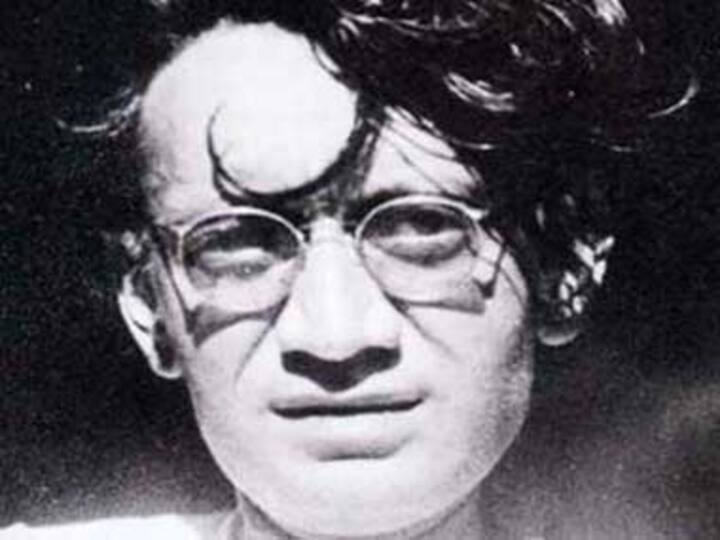
Haircuts and salary squabbles: Manto on the great Indian wedding
In this piece, titled 'Meri Shaadi' or 'My Wedding', Manto documents the curious workings of an Indian wedding, his own, in endearing details.
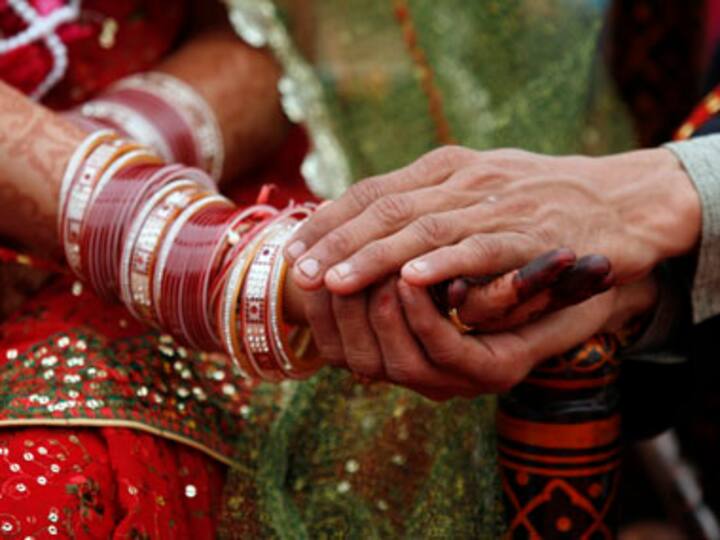
From Amritsar to Mahim: the story behind Manto's shaadi
Manto lived the early Bombay dream. He tell us here the story of how he came to the city from Amritsar and how he settled here, getting married to a girl from Mahim.
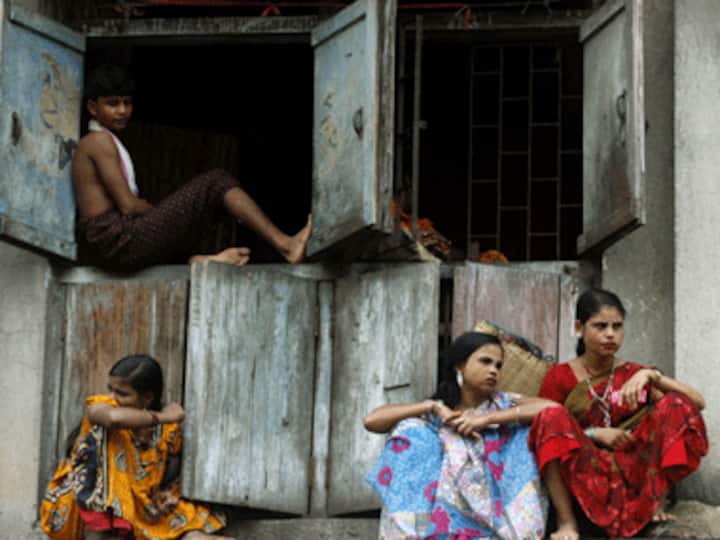
Prostitutes and priests: Manto on dubious definitions of morality
Angered by days spent in courtrooms where he is treated poorly, and once also convicted for obscenity, Manto tears into his critics by contrasting their morality with his in this piece.
Cigarettes and a stern wife: Manto on what it takes to be a writer
In his flat in Lahore, which was given to him as refugee property, Manto wrote his pieces trying to scratch out a living. In this one he answers a question many writers are asked: How do you write?

South meets North: Chennai weddings turn over a new leaf
Fusion food, (or should that be confusion food) is drawing the crowds to rave reviews in halls everywhere.
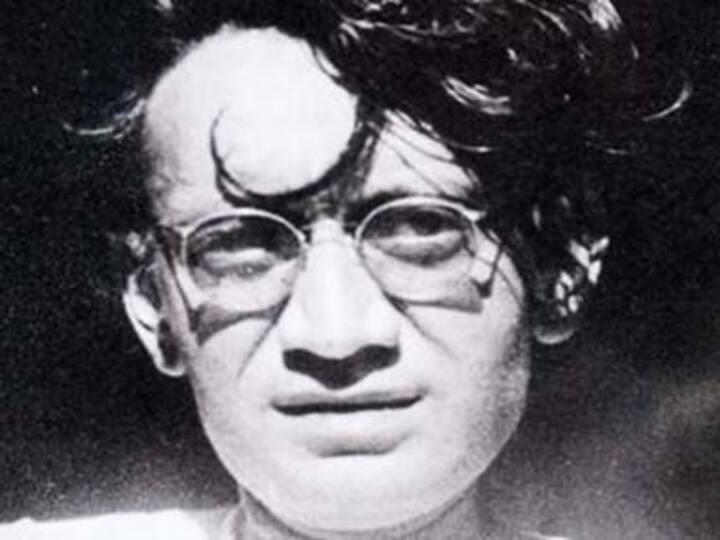
Women in films: Manto's musings on India's dubious morality
Works of non-fiction written by Saadat Hasan Manto has rarely been translated and published. They have been compiled in his Urdu anthology, in a book called Manto kay mazameen (Manto's essays). We shall publish them as a series once a week.
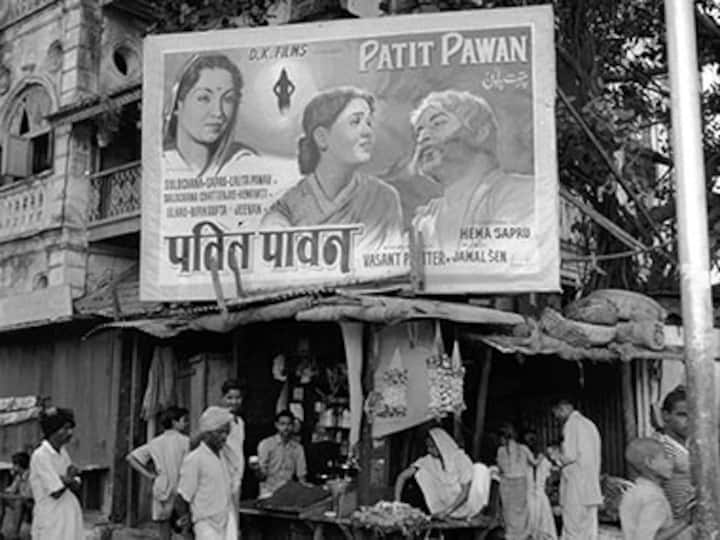
Why I don't watch films: Manto rejects the make-believe world
Works of non-fiction written by Saadat Hasan Manto has rarely been translated and published. They have been compiled in his Urdu anthology, in a book called Manto kay mazameen (Manto's essays). Here's the second essay from the series.