


Food Talk | Trends that are poised to define dining experiences in 2026
If there’s one thing 2025 taught us, it’s that food trends only stay when they speak to something real in people’s lives. These are the global food trends that also ruled 2025 and are here to stay.

In 2025, several food trends emerged across India's hospitality landscape. Comfort food reign, but with a little twist and a dash of style. Blending global innovation with local flavors is indeed the need of the hour. These movements are poised to define dining experiences in 2026: floral-infused menus, hyper-, advanced plant- based alternatives, comfort food regenerative and transparent sourcing. Here are the global food trends that are here to stay.
Hyper-local produce, elevated through Asian modernity
Across the world, consumers are seeking food that feels genuine, fresh and rooted in the region they are visiting. This movement has brought local vegetables and fruits back into the spotlight—moringa, drumstick leaves, banana blossom, farm-grown mushrooms, and seasonal fruits like jamun, bael and custard apple.
 More from Art And Culture
Chef Sara Panisara from Lyfe Hotels, Bhubaneswar explains that when these ingredients meet contemporary Asian techniques—Thai charcoal grilling, clean broths, Asian-style fermentation and fresh herb pastes—the result is cuisine that is modern yet deeply connected to place.
This approach creates a signature identity that guests remember. And for me as a Thai chef, it is a meaningful form of culinary diplomacy: telling Thai stories through the lens of local Indian produce.
Culinary Storytelling: Menus with culture, memory and identity
Dining in 2025 is no longer about food alone; it is about meaning. Guests are drawn to menus that carry stories—where the inspiration comes from, which memories shaped the dish, and how local culture is reflected on the plate.
Tasting menus built around narrative themes—such as “From Bangkok to the Bay of Bengal”—allow chefs to express identity while creating an emotional experience for guests. It is this sense of connection that people remember long after their meal.
Comfort food with a twist
This year, diners reached for comfort again, but in a way that felt elevated, familiar dishes made with more care, better technique, and a sense of nostalgia that didn’t feel heavy. Sometimes comfort food can be done with a little twist. At the same time, regional Indian flavours truly came into their own. Chef Shamsul Wahid, Impresario Entertainment and Hospitality says, “People wanted stories, roots, and food that reminded them of home, even if they were discovering it in a restaurant for the first time.”
Protein first, but don’t give up completely on indulgence
What also stood out was how much India embraced balance without giving up indulgence. Chef Shamsul adds, “Protein-forward plates, cleaner flavours, and functional ingredients grew because they made people feel good without taking away the joy of eating. And the rise of all-day menus showed us something simple but important: diners now want spaces that move with them, places where they can work, snack, unwind, celebrate, all without changing gears. It is food for every mood and every part of the day.”
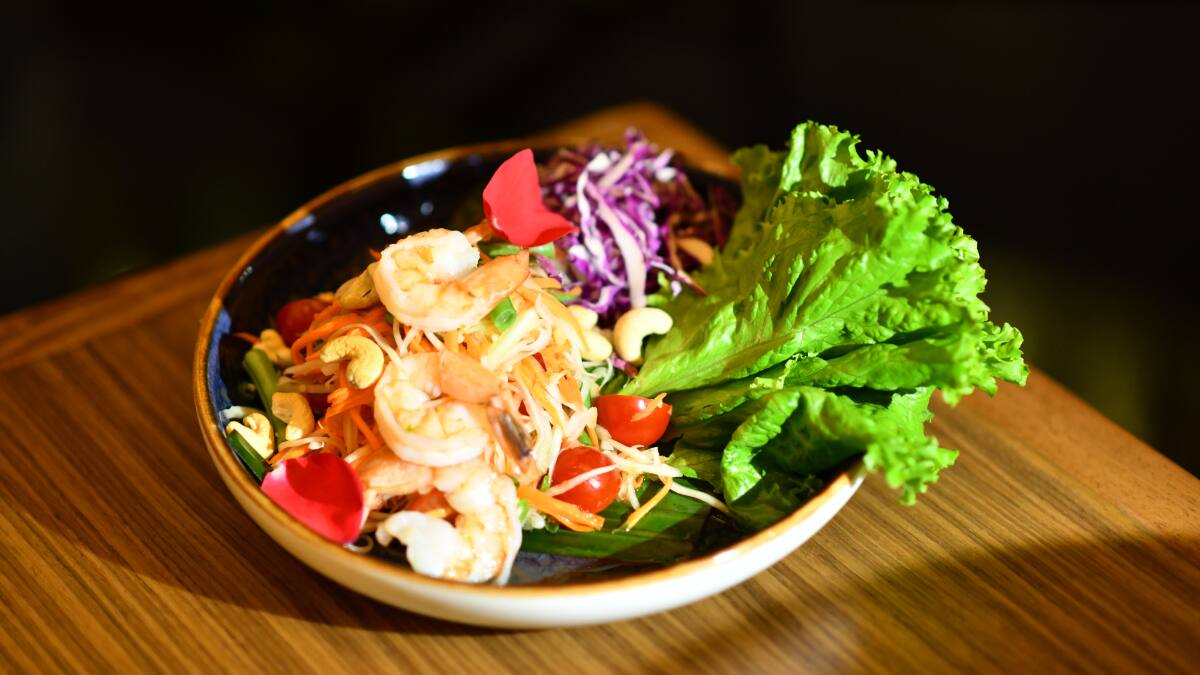
Edible flowers moved beyond garnish
Flowers become central ingredients in 2025. Rose, lavender, hibiscus, and marigold infused desserts, cocktails, and savory dishes, adding aromatic complexity and visual elegance. Chefs embraced floral essences in ice creams, syrups, and even main courses, celebrating botanical flavors that connected diners with nature's delicate beauty while offering Instagram-worthy presentations that delighted both palate and eye.
Hyper-personalised wellness menus
Wellness dining evolved beyond generic healthy options to bespoke experiences tailored to individual health goals, dietary restrictions, and nutritional needs. Restaurants began offering customizable nutrient rich meals. The definition of “healthy” has evolved. Diners now look for food that supports deeper functions—gut health, hormone balance, anti-inflammatory benefits and natural energy. Global trend reports highlight the rise of functional ingredients, traditional herbs and natural fermentation.
Chef Sara Panisara who specialises in Thai cuisine says, "Thai food naturally aligns with this movement. Galangal, lemongrass, kaffir lime leaves, garlic, chili and fresh herbs all carry inherent wellness benefits. In my kitchen, we design dishes that are lighter, less sweet, less oily and more focused on restoration and balance." This is not a diet trend—it’s a long-term shift in how guests choose to nourish themselves.
Plant-based ‘meat mimics’
Plant-based alternatives advanced dramatically beyond basic veggie burgers. Sagar Kulkarni, Director Sheraton Grand Pune says, “Sophisticated techniques created textures and flavors convincingly replicating meat, from bleeding plant-based steaks to perfectly flaky fish alternatives. Jackfruit, mushrooms, and innovative protein blends satisfied both vegetarians and flexitarians seeking sustainable choices without compromising taste. This trend normalized plant-forward eating, making it aspirational rather than restrictive, appealing to health-conscious and environmentally-aware diners simultaneously.”
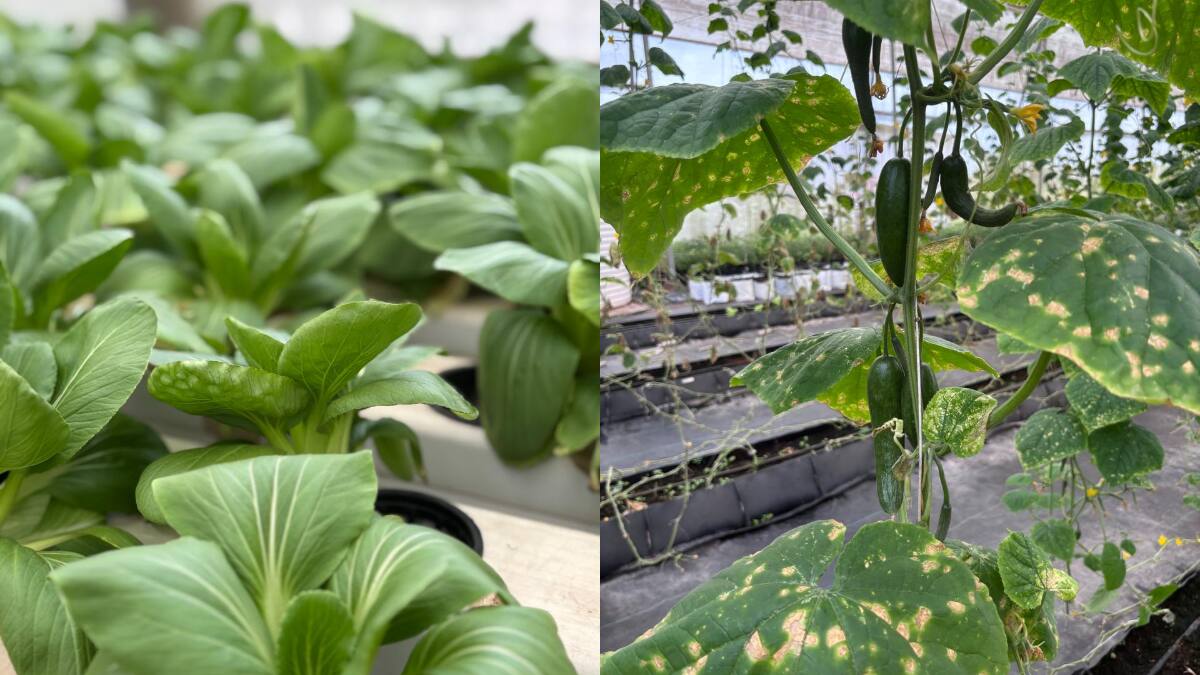
Ethical sourcing
Transparency became paramount as restaurants hosted pop-ups celebrating regenerative agriculture and ethical sourcing. Sagar adds, “ Chefs are in touch with local providers practicing sustainable methods, showcasing seasonal ingredients. These limited-time events educated diners about food origins, environmental impact, and farming practices, transforming meals into storytelling experiences. Guests appreciated knowing their choices supported ecological restoration, making sustainability tangible and delicious rather than abstract virtue signaling.”
Immersive Multi-Sensory Experiences
Dining transcended taste to engage all senses simultaneously. Restaurants incorporated soundscapes, aromatherapy, theatrical presentations, interactive elements, and artistic plating that transformed meals into performances. Hotels collaborated with artists, musicians creating journeys with ambient sounds enhanced flavors, and diners participated actively. This evolution positioned fine dining as holistic entertainment, where memory-making rivaled culinary excellence in importance.
Lachmi Deb Roy is the Entertainment Editor of Firstpost, Network18. She reviews films and series with a gender lens. She is a 'Rotten Tomatoes' certified critic. Her interviews are called 'Not Just Bollywood' because she takes a huge interest in world cinema. She has been the winner of the prestigious Laadli Media and Advertising Award for Gender Sensitivity for two consecutive years, 2020 and 2021. OTT over theatrical releases is her preference unless and until it's a King Khan film. She takes interest in fashion, food and art reviews too.

Midhaven on taking Indian Metal to Wacken this year: 'You’re sure to see a heavier, more nuanced performance'
The woman in Lucian Freud's $39 million portrait was alive to watch herself become history
Alexander McQueen is coming back to London Fashion Week, and its old shows explain why everyone's excited
Why the Kiran Nadar Museum of Art is earning international recognition
David Hockney dies at 88: The artist who put queer joy on canvas