


Midhaven on taking Indian Metal to Wacken this year: 'You’re sure to see a heavier, more nuanced performance'
Fresh off winning Wacken Metal Battle India and a 19-city Europe tour, Mumbai metal band Midhaven opens up about blending Indian classical traditions with sludge metal, representing India at Wacken Open Air, and the future of Indian heavy music in an exclusive interview with Firstpost.

There is a distinct, unhurried gravity to Midhaven’s music. In a genre often obsessed with a breakneck rush to the heaviest riff, the Mumbai-born outfit prefers a slow, atmospheric burn, a sonic storytelling process that feels as ancient as it does apocalyptic.
Having recently won the Wacken Metal Battle India, Karan Kaul (vocals/guitars) and Aditya Mohanan (lead guitars/vocals), along with the rest of the band members Aryaman Chatterji (drums), and Akash Vyas (bass), are preparing to take their unique blend of Indian classical traditions, sludge, and heavy psych to the ultimate global stage- the Wacken Open Air in Germany. Fresh off a massive 19-city European and UK tour, where queues snaked outside venues like London’s Desertfest, Midhaven is proving that Indian metal isn't just participating in the global heavy music scene; it is actively reshaping it.
Firstpost sat down with Karan and Aditya to discuss their evolving sound, navigating European audiences, and what it really means to bring an Indic identity to the Mecca of Heavy Metal. Excerpts from the interview...
Q: First of all, congratulations on winning Wacken Metal Battle India! If you had to define your genre today, how do you see it? And how would you explain your music to a five-year-old who doesn't understand the nitty-gritty of music?
 More from Lifestyle
Aditya: Thank you very much! We’ve always seen ourselves as a heavy metal band, but from what we’ve heard from our fans, we are often described as Indian sludge metal/heavy psych, which I think is pretty apt.
Karan: Thank you! We’re super proud to be representing India at Wacken Open Air! A five-year-old would probably need ear protection at one of our live concerts! While obviously being heavy and ‘metal’, we’re not defined by the genre itself. We incorporate parts from all forms of music, like rock and traditional Indian sounds. We’ve often joked that we’re just a rock and roll band with really heavy tones!
Q: Combining Indian classical elements with sludge feels like merging two far opposite ends of the sonic spectrum. Was there a specific 'lightbulb moment' where you realised this was completely doable?
Aditya: I’d say the lightbulb moment was a long, stretched-out set of epiphanies that we had while writing our 2021 album, Of the Lotus and the Thunderbolt. We had always felt like Indian metal wasn’t really doing justice to the pre-colonial musical traditions that this subcontinent has fostered throughout its history. Our intent to amalgamate the sounds of these distinct genre-scapes has been transformative in our songwriting process and has deeply affected our musicianship.
Q: Heavy music often rushes to get straight to the heaviest moment, but your tracks build atmosphere slowly. What draws you to that patient build-up, and do recent, darker tracks like The Veiler reflect your maturity as a band?
Karan: Glad you dug the build-up! It’s not something new, though metal has a number of sub-genres with different approaches to songwriting. Our songs have a mix of slow build-ups, straight-up punchy riffs, and atmospheric soundscaping. We try to stay true to the intent, whether it’s a long track like Zhitro or a quick, punchy track like Primal Song. Our latest single, The Veiler, is our heaviest song yet and represents a clear evolutionary step forward. As musicians evolve, the ideas and sounds that inspire them naturally come to life.
Aditya: To add to that, I’ve personally always seen songwriting as storytelling. You need to take your time to tell a good story and draw the listener into the world you’re creating. For it to feel organic, it simply needs time.
Q: You recently wrapped up a 19-city tour across Europe and the UK, including a praised set at Desertfest London. Did you notice a difference in how Western audiences digested your 'Indic' themes compared to your crowds back home?
Aditya: It was an incredible tour for us, and I think we made a mark in the European sludge and desert rock scene. The audience in Europe was extremely receptive to our Indic soundscape, as well as our visual and thematic elements. There was definitely a difference in their reaction- for their sensibilities, our sound is essentially a novelty, so their responses were quite emphatic.
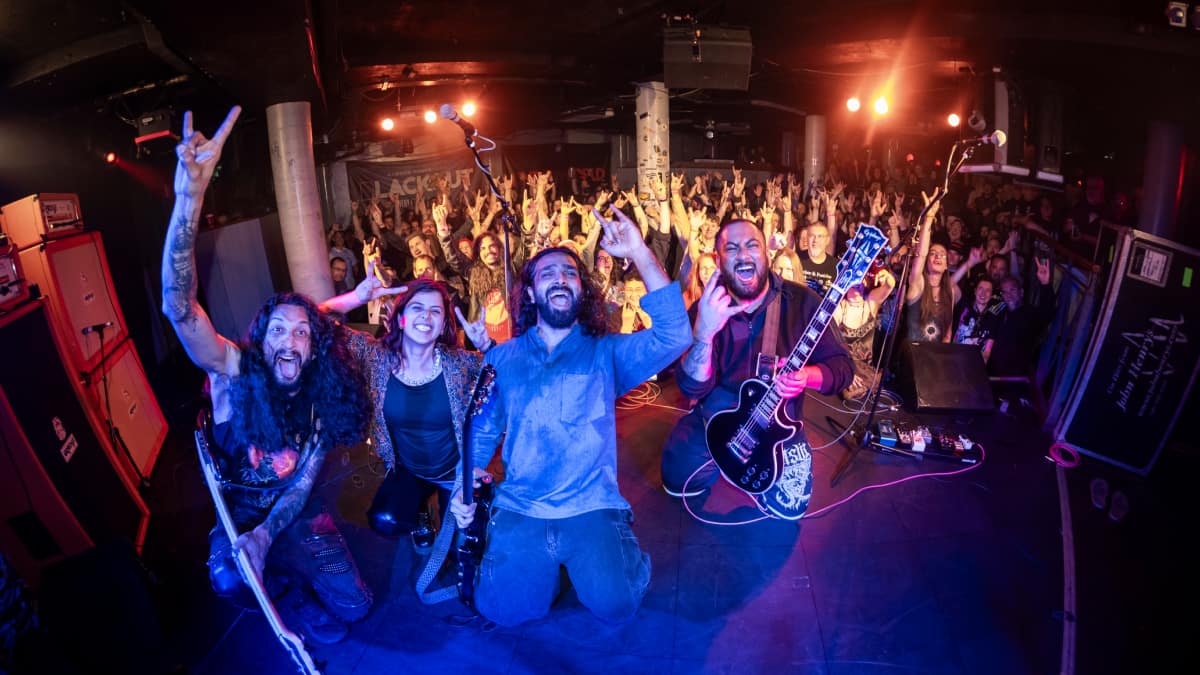
That being said, Mumbai is homeground and it’s personally my favorite place to play. We are products of the Mumbai metal scene, and every single time Midhaven has played here, the scene has delivered.
Q: International touring is notorious for its administrative and logistical grinds. How do you look back on the hurdles that helped build this global momentum?
Karan: It’s no secret that it isn’t easy for a metal band from India to break through- getting shows, locking in a tour, and navigating the nightmare that the visa process can be!
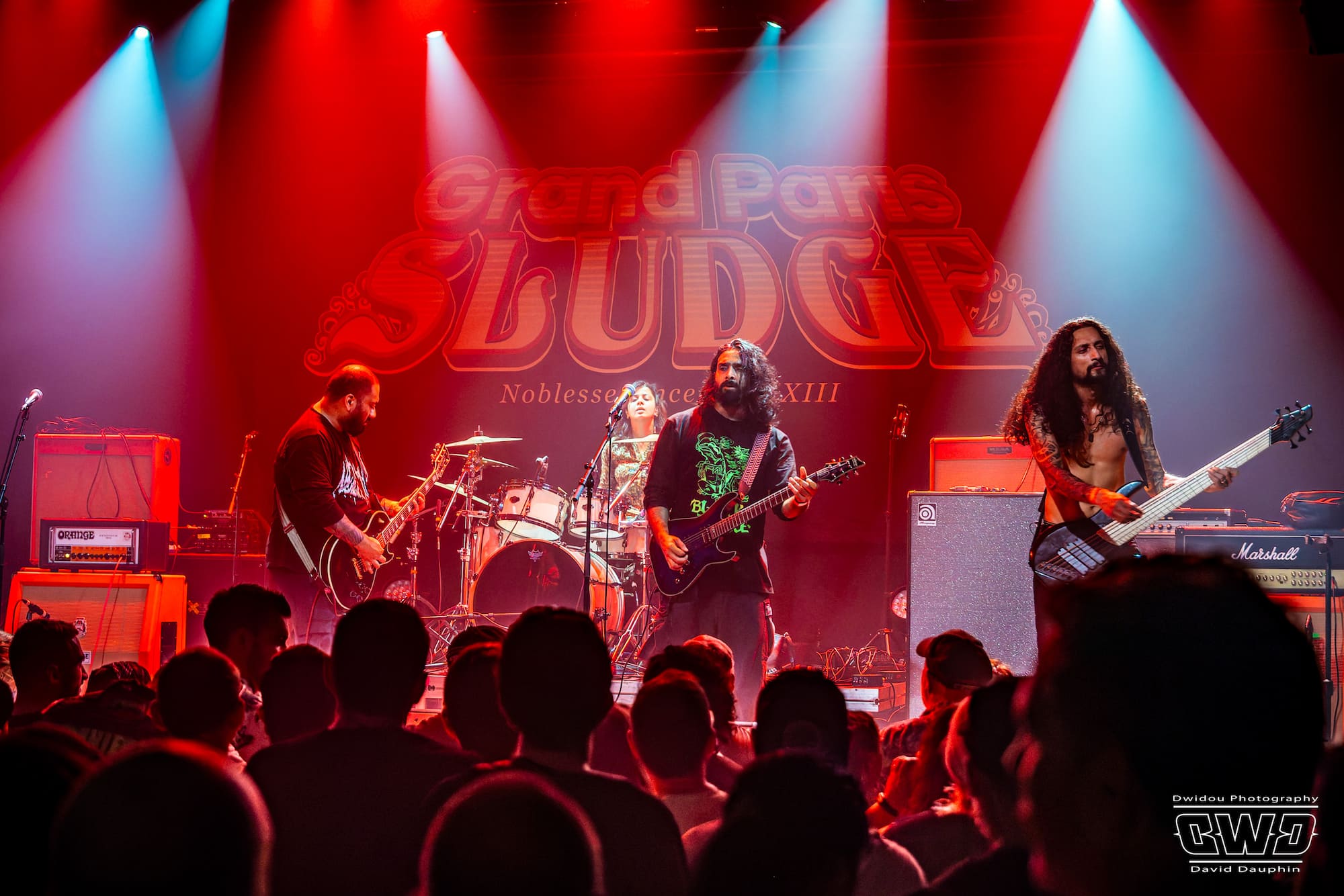
The battle has definitely been an uphill one, but the payoffs have been incredible. We’re deeply grateful to our booker and the multiple promoters we’ve had the chance to work with, who gave us an immense amount of support and even rescheduled dates for us when needed. From festivals like Desertfest and Grand Paris Sludge to intimate club shows across Europe, we’re blessed to be backed by friends and fans from all across the world.
Q: As you step onto the stage at Wacken Open Air to represent the country, do you feel a specific pressure to present an 'Indian identity' to a global metal audience?
Aditya: Yes, there is pressure, but for reasons more existential than political. We’ve always wondered how the pre-existing musical traditions of this land could influence the sound of Indian metal. Since we made it our prerogative to create this synthesis, we’ve also wondered what it really means to "sound Indian."
Ultimately, all we can bring to the table is our personal sense of self as people who live halfway between Indian and Western cultures. But the hunger to bring a distinctly Indic sound to Wacken is very real, and you’re sure to see a heavier, more nuanced performance from Midhaven at Wacken this year.
Q: With bands like yourselves and Bloodywood reaching global stages, do you feel Indian metal is having its true moment?
Karan: It’s an amazing time to be an Indian metal outfit right now. With the way the world has received and celebrated Bloodywood, they’ve truly conquered stages and won over audiences with a sound unheard of before within the metal world.
As for India, the metal scene here is a tight-knit community that has had a massive uprising in our post-COVID world. Metal shows are filling up clubs, local bands are packing venues, and international acts are welcomed with huge love. It still has a long way to go, but it’s showing all the right signs of growth. We’re incredibly proud to come from the Mumbai underground metal scene- we’ve been active fans here since we were teenagers!
Chief Sub Editor with a decade of experience in digital media, known for digging into behind-the-scenes trivia during interviews. Equal parts anime lover and pop-culture nerd, she spends her time ferociously hitting the keyboard, daydreaming between deadlines, travelling, chasing street food, and cracking unapologetically bad jokes.

Trade the hustle for the Shire: Inside the "hobbitmaxxing" trend
Spices, health and the Indian plate: Why chilli can be good for you—but moderation is still key
The right way to break up without feeling groggy
How Spider-Man actor Tom Holland has been on a sobriety journey of 4.5 years after being "addicted to alcohol"
Why Chennai is India's filter coffee capital, one tumbler at a time