


Dabur forced to drop its same-sex Karwa Chauth campaign shows deep-rooted sexism in Indian TV advertising
The message embedded in Indian TV ads is simple — a woman can be either a dutiful mother/wife, in her early 20s trying to look the prettiest, or a hypersexualised nymphomaniac. Any deviations from these tropes are deeply inconvenient, and therefore threatening, needing immediate withdrawal or ban.

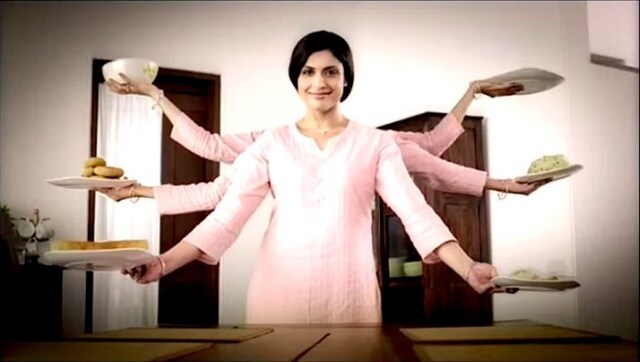
A still from MTR ad[/caption]Last year, Tanishq also faced wrath for an ad showing the baby shower of a South-Indian Hindu woman married to a Muslim man. Detractors claimed it promoted love jihad. It angered people so much so that they got #BoycottTanishq trending on Twitter, and even attacked a showroom of the jewelry brand in Kutch.
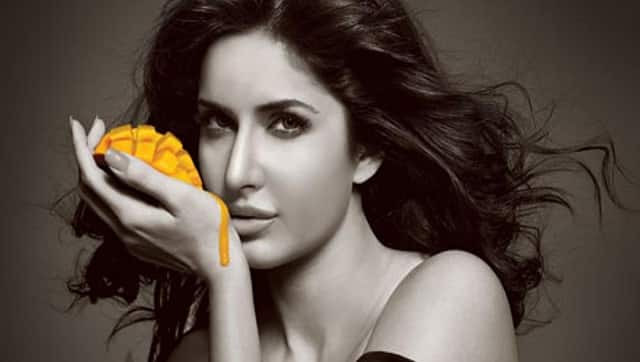
Mishra found the ad “objectionable,” and said he considered this “a serious matter.” What about when Ford released a cartoon showing three voluptuous and skimpily-clad women bound and gagged in Figo’s boot to highlight the hatchback’s extra storage space? The ad’s tagline was: Leave your worries behind. Not objectionable enough? Or when a multinational fast-food chain like Nando’s published an ad that read, “We don’t mind if you touch our buns, or breasts, or even our thighs. Whatever you’re into, enjoying any Nando’s meal with your hands is always recommended.” Not offensive enough? Of course not. After all, we are a nation that needs to sexualise mango juice to sell it. We label it the “thickest” mango drink. We call the deeply problematic portrayal of it all “Aamsutra.”The message is simple — women can be either of the following three in Indian ads. The caregiving, dutiful mother and/or wife, or someone in her early 20s trying to be the prettiest, fairest, and fittest version of herself or a hyper-sexualised nymphomaniac. Any deviations from these tropes — however minor — are deeply inconvenient, and therefore threatening, needing immediate withdrawal or ban.
A study by UNICEF and Geena Davis Institute (GDI) on Gender in Media released in April this year found that Indian ads reinforce “harmful gender roles that shape the lives of girls and women in the country.” The report, titled ‘Gender Bias & Inclusion in Advertising in India,’ analysed gender representation in 1,000 most-viewed TV and YouTube advertisements during 2019.
Talking about it, Geena Davis, Academy Award-winning actor, and the GDI’s founder, told The Hindu, “Misrepresentation and harmful stereotypes of women in advertising have a significant impact on women — and young girls — and how they view themselves and their value to society. While we do see female representation dominate in Indian ads, they are still marginalised by colourism, hypersexualisation, and without careers or aspirations outside of the home.”
 More from Art And Culture
If our ads try to break free of these archaic moulds, they end up “hurting sentiments,” and are either banned or taken down. What are we communicating to the younger generation that is eager to take charge and make a difference?
I wonder if they have seen Radhika Apte promote Durex’s extra thin flavoured condoms on her Instagram yet.
When not reading books or watching films, Sneha Bengani writes about them. She tweets at @benganiwrites.

Midhaven on taking Indian Metal to Wacken this year: 'You’re sure to see a heavier, more nuanced performance'
The woman in Lucian Freud's $39 million portrait was alive to watch herself become history
Alexander McQueen is coming back to London Fashion Week, and its old shows explain why everyone's excited
Why the Kiran Nadar Museum of Art is earning international recognition
David Hockney dies at 88: The artist who put queer joy on canvas