


Diseases like COVID-19 that jump from animals to people driven by habitat loss: UN report
Unsustainable agriculture practices, expansion of infrastructure and resource mining at the expense of wild spaces has severely limited our ability to prevent these diseases.

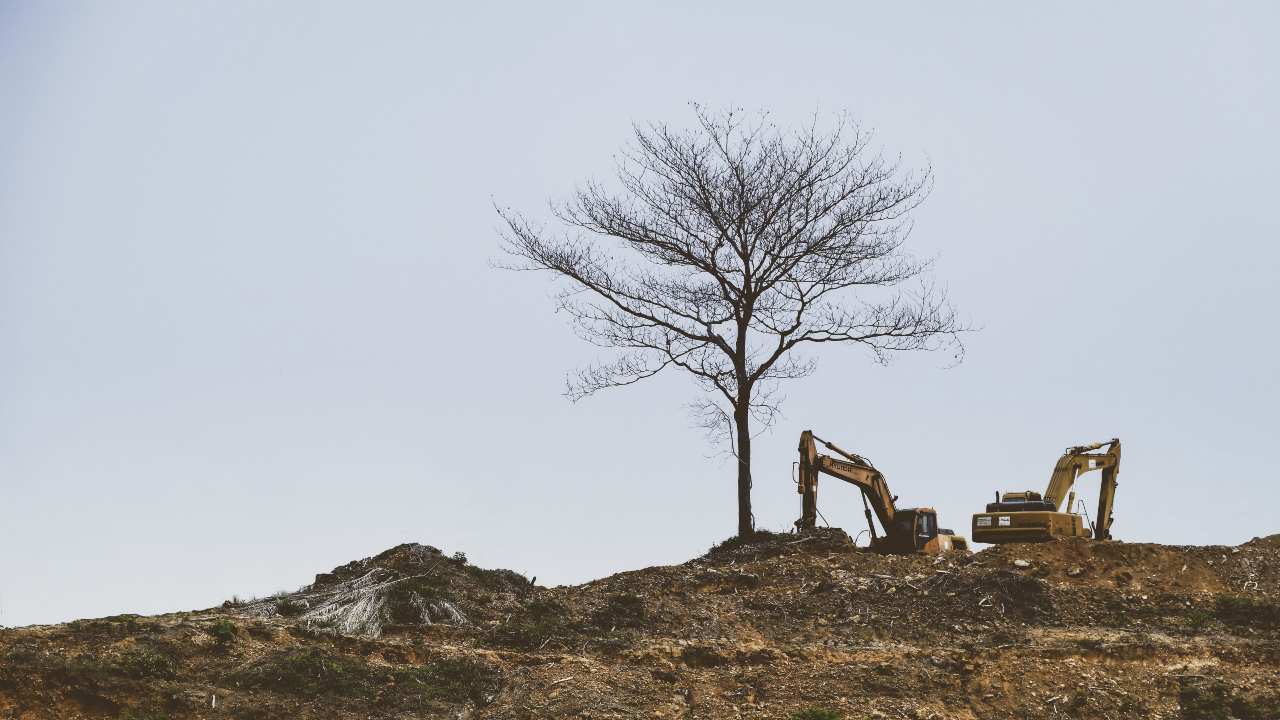
Encroaching into wild spaces comes at a cost, and pandemics are among the many ways we pay.[/caption]Andersen adds that more investment in the study of zoonotic diseases can help the world get "ahead of the game" and help in "preventing the type of global shutdown" caused by the likes of the COVID-19 pandemic in the future.The report also offers a set of practical recommendations that can help policymakers prevent and respond to future disease outbreaks. It calls on governments to consider adopting a coordinated "One Health" approach that coordinates the efforts of public health, veterinary and environmental experts in combating zoonotic disease outbreaks."People look back to the influenza pandemic of 1918–1919 and think that such disease outbreaks only happen once in a century," said Maarten Kappelle, the head of scientific assessments at UNEP. "But that's no longer true. If we don't restore the balance between the natural world and the human one, these outbreaks will become increasingly prevalent."One of the other key drivers exacerbating the problem, according to Anderson, is the global demand for animal meat, which has seen a 260 percent increase in the past 50 years. Some animals, such as rodents, bats, carnivores and nonhuman primates, are most likely to harbor zoonotic diseases, with livestock acting as a bridge for transmission between the animal hosts and humans, according to the report.In some of the world's most economically poor regions, endemic diseases of a zoonotic nature are linked with livestock. These result in over 2 million human deaths a year, as per the UNEP report.However, Africa, which has successfully responded to a number of zoonotic epidemics, like Ebola, could be a place to turn for solutions to controlling outbreaks of human-to-animal diseases in the future, it says.In an earlier UN press briefing, the agency's Secretary-General António Guterres had said, "To prevent future outbreaks, countries need to conserve wild habitats, promote sustainable agriculture, strengthen food safety standards, monitor and regulate food markets, invest in technology to identify risks, and curb the illegal trade in wildlife."

US set to sign Saudi nuclear deal; Rubio says pact won't fuel proliferation
India-US trade deal 'almost complete', says US after Jaishankar-Rubio talks in Manila
Marco Rubio says he 'would expect India to be concerned' over Trump's pharma tariffs
Trump renews China election interference claims, but files point to Russia's larger role
'See me after class!': UK education secretary Lucy Powell mocked by Tories over grammar gaffe