


World needs 'radical rethink' for strategy to tackle obesity, hunger, climate: Report
Health advocates & climate experts hailed The Lancet report's sweeping call for deep change.


Representational image. AFP[/caption]
Triple pandemic
"Underpinning all of these are weak political governance, the unchallenging economic pursuit of GPD growth, and the powerful commercial engineering of overconsumption," the report said."Undernutrition is declining too slowly to meet global targets, no country has reversed its obesity epidemic, and comprehensive policy responses to the threat of climate change have barely begun."Despite 30 years of warnings from science about the dire impacts of global warming, CO2 emissions hit record levels in 2017 and again last year.Because all these problems are interwoven, the answers must be too, the researchers emphasised."Joining three pandemics" — hunger, obesity, climate — "together as 'The Global Syndemic' allows us to consider common drivers and shared solutions."Another Lancet Commission report published last week calling for a dramatic shift in global diet to improve health and avoid "catastrophic" damage to the planet."Until now, undernutrition and obesity have been seen as polar opposites of either too few or too many calories," said Swinburn."In reality, they are both driven by the same unhealthy, inequitable food systems, underpinned by the same political economy."The report calls for a Framework Convention on Food Systems — similar to global conventions for tobacco control and climate change — to restrict the influence of the food industry.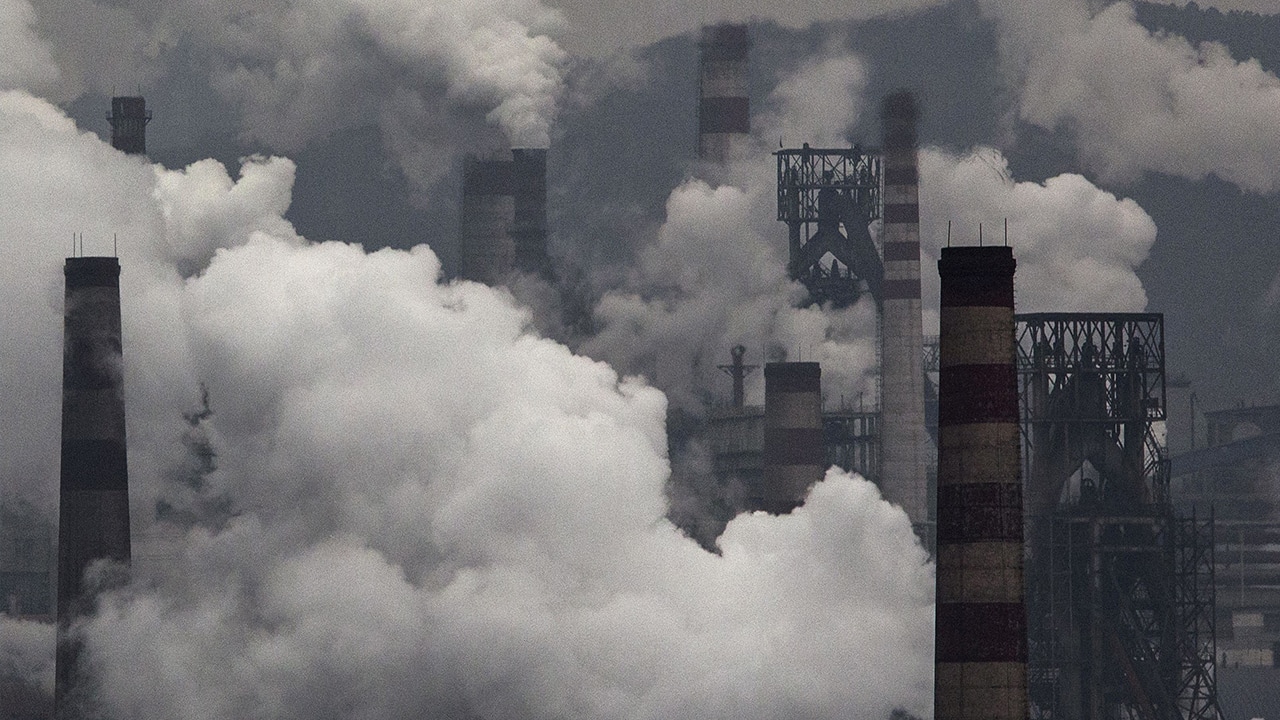
How we eat, live, move
The experts argue that economic incentives must be overhauled.Some five trillion dollars (4.4 trillion euros) in government subsidies for fossil fuels and large-scale agribusiness should be rechanneled toward "sustainable, healthy and environmentally friendly activities," they said.To sharply reduce red meat consumption, for example, the report favours high taxes, abolishing subsidies, along with transparent health and environment labelling.In addition, they favour the creation of a one billion dollar philanthropic fund to support grassroots action."Support from civil society is crucial to break the policy deadlock," said co-author William Dietz, a professor at George Washington University."As with other social movements — such as campaigns to introduce sugary drink taxes — efforts ... are more likely to begin at the community, city or state level."Nearly all facets of daily life are at play."Tackling 'The Global Syndemic' requires an urgent rethink of how we eat, live, consume and move," said Richard Horton, editor-in-chief of The Lancet.The two Lancet reports are not the only urgent appeal from science in recent months. In October, the UN's Intergovernmental Panel on Climate Change likewise called for an economic and social "paradigm shift" to avoid global chaos.Health advocates and climate experts hailed The Lancet Commission's sweeping call for deep change."For too long we have been day-dreaming our way to a diseased future," said Katie Dain, CEO of the Noncommunicable Disease Alliance."A food system that secures a better diet for this and the immediate next generations will save millions of lives and, at the same time, help save the planet."Industry representatives and libertarians slammed the findings as overwrought and an assault on free choice."Nanny-state zealots are no longer hiding their intention to use the anti-tobacco blueprint to control other areas of our lives," said Christopher Snowdon, head of lifestyle economics at the London-based Institute of Economic Affairs.

Careless Whispers: Scientists discover that plants can 'talk' to each other using smells
Life on Mars? European Space Agency’s Orbiter discovers ice water deposits at equator
Microsoft briefly overtakes Apple as the most valuable company, Apple back on top again
Even NASA is facing a tough time, starts layoffs following major budget cuts
ISRO, NASA's NISAR satellite to get ready by Jan-end, will monitor Earth's snow-covered regions